 English
 Español
 عربى
عربى 中文简体
中文简体

Perfume Spray Tube: Diameter, Materials & Compatibility
Content
- 1 How Spray Tube Diameter Controls Atomization Performance
- 2 Materials Used in Perfume Spray Tubes and Why They Matter
- 3 How Tube Length Is Matched to Perfume Bottle Geometry
- 4 Factors That Influence Fragrance Compatibility With Spray Tubes
- 5 How Precision Manufacturing Improves Spray Tube Performance
- 6 Quick-Reference: Spray Tube Specification Summary
In This Article
- How Tube Diameter Controls Atomization
- Material Selection and Chemical Resistance
- Matching Tube Length to Bottle Geometry
- Fragrance Compatibility Factors
- Precision Manufacturing and Performance Standards
- Quick-Reference Specification Table
How Spray Tube Diameter Controls Atomization Performance
Tube diameter is the single most influential variable in atomization quality. It governs fluid velocity, flow resistance, and the pressure drop experienced between the bottle reservoir and the pump actuator.
When inner diameter is too wide -- above 4.5 mm -- fluid resistance drops too low. The pump draws liquid faster than it can be atomized, producing large, uneven droplets with poor aerial diffusion. Conversely, a tube narrower than 3.0 mm creates excessive back-pressure, forcing the pump motor to work harder and increasing the risk of clogging with viscous or resinous fragrance formulas.
The industry-recognized sweet spot for alcohol-based eau de parfum and eau de toilette formulas is an inner diameter of 3.5 mm to 4.0 mm, producing droplet sizes in the 50 to 100 micron range -- fine enough for even skin coverage without visible wet spots.
Key insight: A 0.5 mm reduction in tube inner diameter increases fluid velocity by approximately 18% under constant pump pressure, measurably improving spray pattern uniformity in standard EDP formulas.
For oil-heavy or high-viscosity bases (such as perfume oils or cream-to-mist hybrids), formulators and packaging engineers typically step up to tubes with 4.0 mm to 4.5 mm inner diameter to compensate for the higher resistance of thick media. This prevents incomplete draw-up and ensures the pump chamber fills fully with each actuation.
Materials Used in Perfume Spray Tubes and Why They Matter
Material selection determines whether a spray tube survives years of contact with alcohol, fragrance compounds, and UV exposure without leaching, softening, or cracking. Three core materials dominate the market, each serving a distinct application profile.
The most widely used material in mass-market fragrance packaging. PE offers excellent resistance to alcohol-based formulas, is flexible enough to resist kinking during assembly, and can be produced in transparent or opaque variants. Low-density PE (LDPE) is preferred for its pliability, which prevents cracking when the tube is bent during bottle filling. Cost per unit is approximately 30 to 40% lower than polypropylene alternatives.
PP tubes offer superior rigidity and higher temperature tolerance (up to 100 degrees C vs. 80 degrees C for LDPE), making them suitable for hot-fill production lines and premium fragrance formats. PP resists a broader range of organic solvents and is less permeable to fragrance volatile compounds, which helps preserve formula integrity over a 24-to-36-month product lifespan. PP is the standard choice in prestige and niche fragrance packaging.
Stainless steel dip tubes are used in ultra-premium and refillable fragrance formats where chemical inertness and durability are non-negotiable. Grade 304 stainless steel withstands alcohol concentrations above 90%, resists all common fragrance aldehydes and ketones, and does not flex or degrade over time. The trade-off is cost: stainless steel tubes carry a 5x to 8x price premium over PE equivalents, restricting their use to luxury market segments.
A fourth option gaining traction in sustainable packaging lines is bio-based PE derived from sugarcane ethanol. It offers an identical performance profile to petroleum-based LDPE while reducing lifecycle carbon emissions by an estimated 61%, according to lifecycle analysis data from packaging consultancies active in the European market.
How Tube Length Is Matched to Perfume Bottle Geometry
Tube length determines whether the spray pump draws liquid cleanly from the bottom of the reservoir or leaves product stranded. An incorrectly measured tube is one of the most common causes of consumer complaints about pumps that "stop working" when a bottle is still 10 to 20% full.
The standard engineering rule is that the tube tip should reach within 2 mm to 4 mm of the bottle's interior base when the pump is fully seated in the neck. This clearance prevents the tube from pressing hard against the base (which blocks flow) while ensuring full liquid draw-up at low fill levels.
Matching protocol by bottle category:
| Bottle Volume | Typical Interior Depth | Standard Tube Length | Clearance Target |
|---|---|---|---|
| 10 ml -- 20 ml | 35 mm -- 50 mm | 32 mm -- 47 mm | 3 mm |
| 30 ml -- 50 ml | 60 mm -- 90 mm | 57 mm -- 87 mm | 3 mm |
| 75 ml -- 100 ml | 100 mm -- 140 mm | 97 mm -- 137 mm | 3 mm -- 4 mm |
| 125 ml -- 200 ml | 150 mm -- 210 mm | 146 mm -- 207 mm | 4 mm |
Non-standard bottle shapes -- tapered bases, angled interiors, or flat-oval cross-sections -- require custom tube trimming. In these cases, engineers conduct a wet-draw test: filling the assembled bottle to minimum fill level (typically 5% remaining) and confirming the pump still delivers a full charge with each stroke. Any spray tube supplier producing for custom bottle programs should routinely include this test in their qualification process.
Factors That Influence Fragrance Compatibility With Spray Tubes
Not every fragrance formula behaves the same way inside a spray tube. Four factors consistently drive compatibility decisions in professional packaging engineering:
Formulas with alcohol content above 70% v/v aggressively extract plasticizer compounds from lower-grade PE and PVC tubes over time. This causes two problems: gradual softening of the tube wall (leading to kinking and flow restriction) and migration of plasticizer molecules into the fragrance, altering scent profile within 3 to 6 months. High-alcohol formulas require food-grade LDPE or PP to prevent this interaction.
Natural fragrance ingredients -- particularly heavy resinoids, musks, and balsams -- can precipitate or crystallize at the tube interior under cold storage conditions (below 10 degrees C). A tube with a smooth, low-friction interior surface (achievable in polished PP or stainless steel) reduces crystalline buildup by up to 40% compared to standard extruded PE tubing, which has microscopic surface irregularities.
Oil-based or aqueous-oil emulsion fragrance formats require wider tube bore and sometimes a weighted or angled tube tip to maintain contact with the liquid phase during use. Standard straight-cut tubes oriented vertically work well for low-viscosity alcohol bases but may fail to draw adequately from oil-heavy products when the bottle is tilted.
Transparent PE tubes expose fragrance to light inside translucent glass or acrylic bottles, accelerating photo-oxidation of aldehyde and citrus top notes. For formulas containing bergamot, lemon, or aldehydic compounds, opaque or UV-stabilized tube materials extend product olfactive stability by 20 to 35% over the product lifecycle.
How Precision Manufacturing Improves Spray Tube Performance
The difference between a commodity perfume spray tube and a precision-engineered component comes down to dimensional tolerance, cut quality, and process consistency across production batches.
Critical manufacturing parameters that separate high-performance tubes from standard supply include:
- Wall thickness tolerance of plus or minus 0.05 mm -- inconsistent wall thickness creates variable flow resistance within the same production lot, causing pump-to-pump performance variation on a filling line
- Burr-free cutting -- tubes cut with rotary precision blades rather than guillotine shears produce clean, flat tips that seat correctly against pump intake orifices; burrs at the tube tip are a leading cause of pump clogging in the first 30 days of product life
- Inner diameter roundness within 0.03 mm -- oval distortion of the tube bore, common in poorly controlled extrusion processes, reduces effective flow area and causes directional spray bias at the nozzle
- Batch-level length tolerance of plus or minus 0.5 mm -- tighter length consistency reduces the variability in pump draw-up performance across units, ensuring that tubes cut for a specific bottle format all perform identically at low fill levels
- Material traceability documentation -- ISO 15378-compliant manufacturers provide resin batch traceability, confirming that no recycled or off-grade polymer has been introduced into cosmetic-grade tube production
Quality manufacturers also conduct extraction testing by immersing finished tubes in representative fragrance formulas (typically 80% alcohol base) for 30 days at 40 degrees C, then analyzing the fragrance for polymer-derived contaminants via gas chromatography. A clean extraction result confirms that the tube material is inert and will not alter the fragrance formula across the intended product shelf life.
Industry data from fragrance packaging audits indicates that switching from commodity tube supply to precision-manufactured components reduces pump failure rates on high-speed filling lines by 12 to 18% and cuts consumer-reported spray quality complaints by an average of 22% within the first six months after transition.
Quick-Reference: Spray Tube Specification Summary
| Parameter | Standard Range | Impact if Out of Range |
|---|---|---|
| Inner Diameter | 3.5 mm -- 4.0 mm | Poor droplet size, clogging, or pump overload |
| Wall Thickness | 0.6 mm -- 1.0 mm | Kinking, variable flow resistance |
| Length Tolerance | +/- 0.5 mm | Incomplete draw-up at low fill |
| Material Grade | Food-grade LDPE / PP / 304 SS | Plasticizer migration, formula contamination |
| Base Clearance | 2 mm -- 4 mm | Flow blockage or stranded product |
| Extraction Test | 30-day soak at 40 degrees C | Undetected scent alteration over shelf life |
-
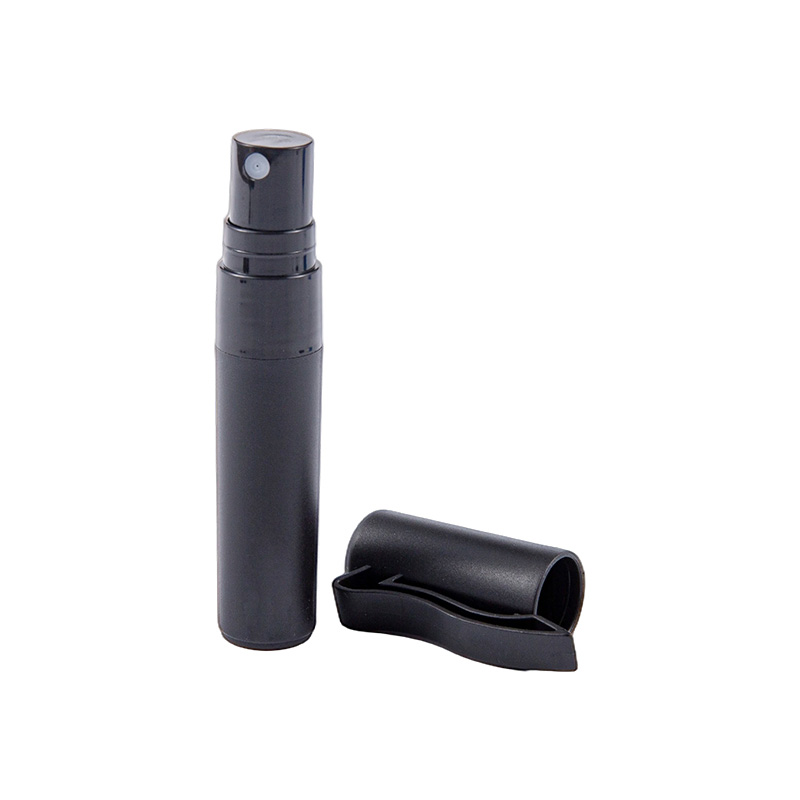 Pen Clip PP Perfume Spray Tube Set (8-15ml)
-
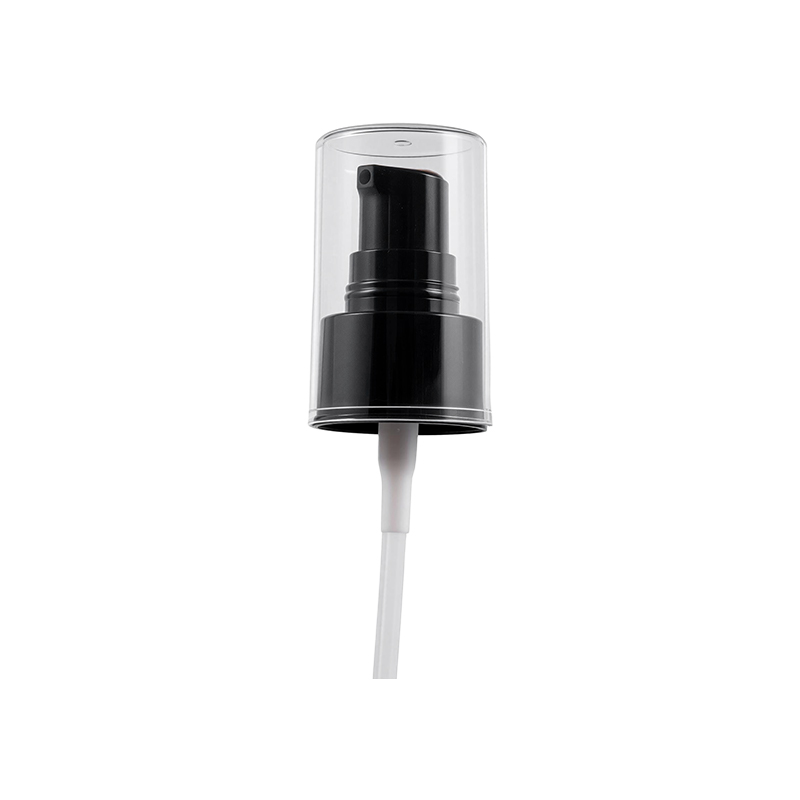 Spray pump with built-in spring pump element
-
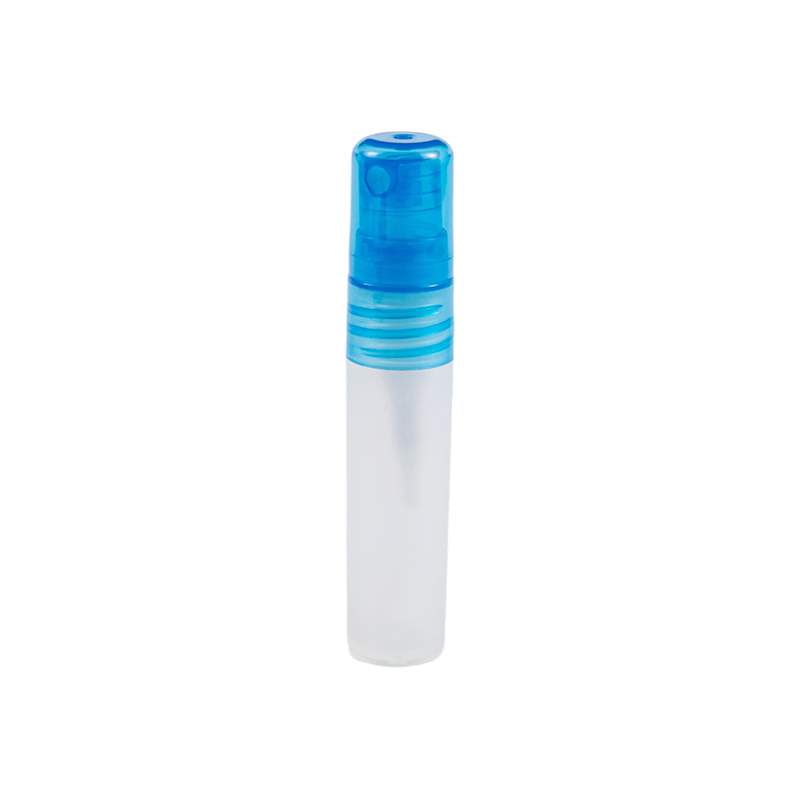 Material PP Height 87/77/73mm Diameter 14/13/12mm Capacity 5/4/3ml Dispensing Volume 0.07 ± 0.01ml
-
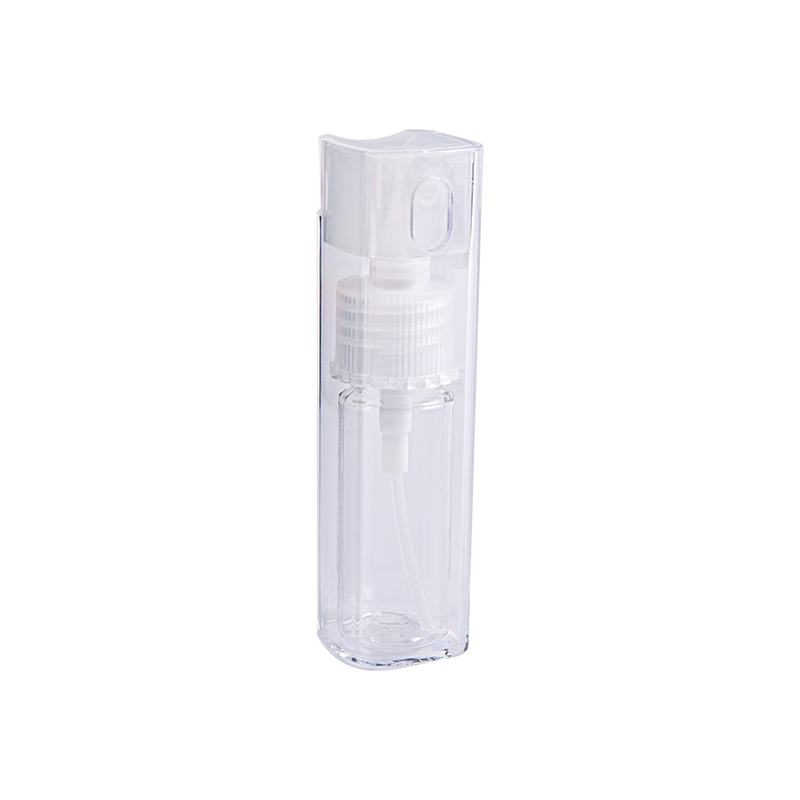 Plastic spray bottle
-
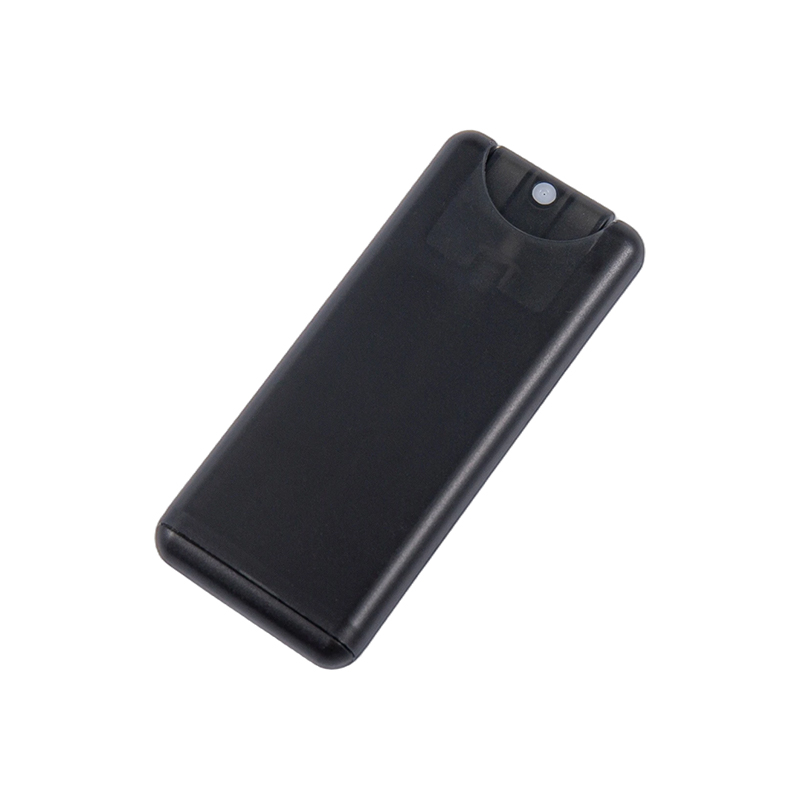 Small capacity card-type PP spray bottle (10-16ml)
-
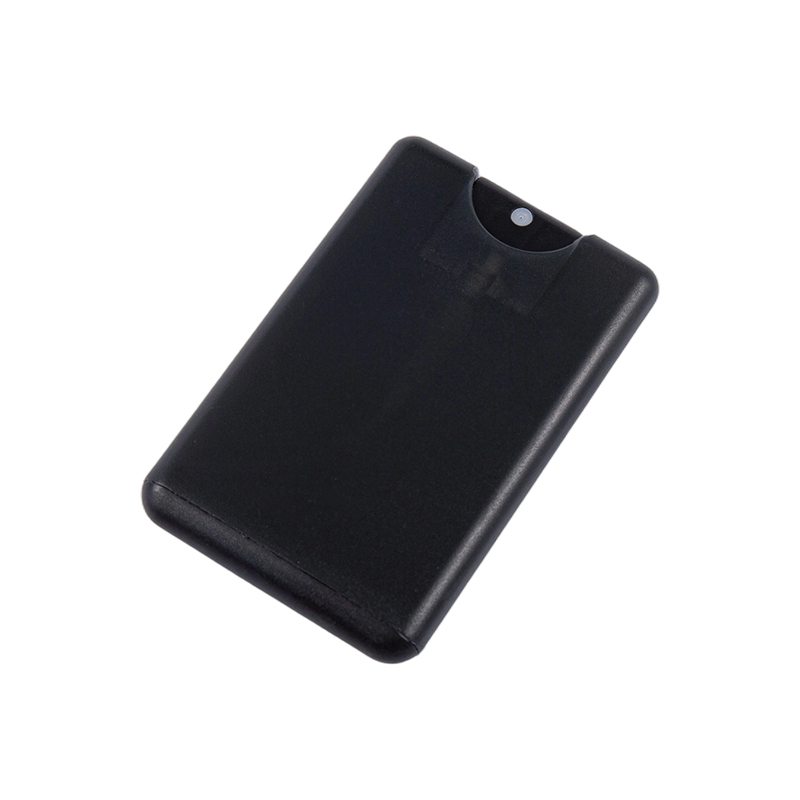 Large capacity card-type PP spray bottle (20-38ml)





All rights reserved © Shaoxing Shangyu Haibo Spray Plastic Co.,Ltd.Privacy OEM/ODM Spray Plastic Bottle & Pump Manufacturers
浙ICP备2021023122号