 English
 Español
 عربى
عربى 中文简体
中文简体

Why Is the Stain Remover Pen the Most Useful Portable Product of 2026?
Content
The stain remover pen has moved from pharmacy shelf filler to one of the most searched portable cleaning tools of 2024. Its rise is not accidental. It combines a precise dispensing mechanism, concentrated stain-lifting chemistry, and a pocket-sized format that fits the lifestyle of frequent travelers, office workers, and parents. For wholesale buyers and private label developers, understanding what drives its popularity requires looking at both the chemistry and the product design engineering behind it.
What Is a Stain Remover Pen and How Does It Work
Twist-Tip Dispensing Mechanism
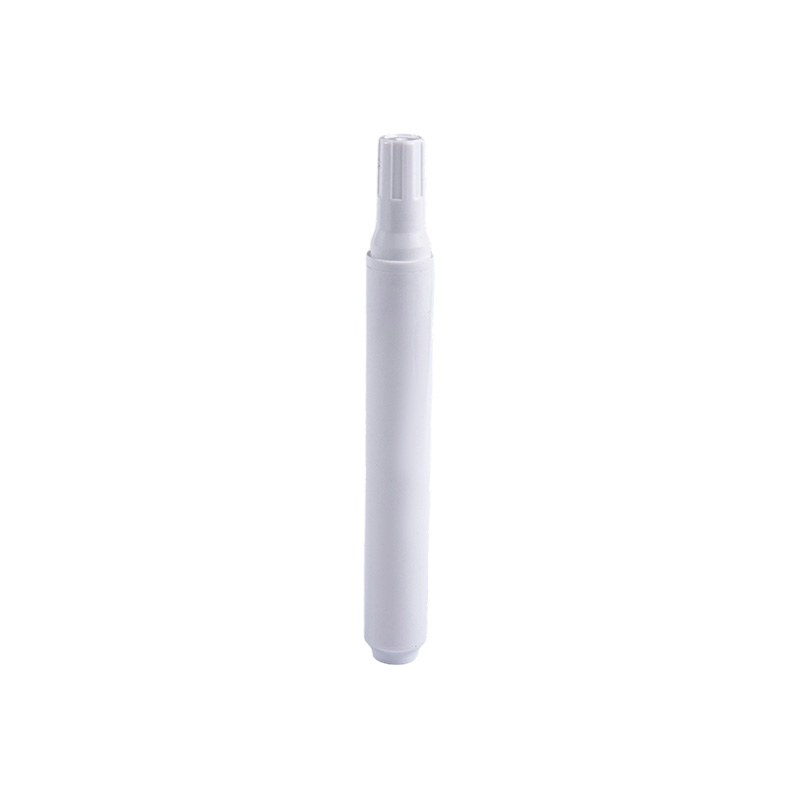
The defining feature of a portable stain remover pen for travel is its controlled dispensing system. Most pens use a twist-action base that compresses an internal reservoir and forces a metered amount of cleaning solution through a felt or foam applicator tip. This mechanism delivers liquid only when needed, prevents leakage during transport, and allows the user to apply the solution directly to the stain site without oversaturation.
- Reservoir volume: typically 5 ml to 20 ml, depending on pen size
- Tip material: polyester felt or open-cell polyurethane foam
- Tip density: 80–120 pores per inch for foam tips, controls flow rate
- Dispensing pressure: 2–5 N of twist force activates most designs
- Leak-proof rating: internal check valve or compression seal prevents passive flow
Active Chemistry Inside the Pen
The liquid inside a stain remover pen for clothes on the go is a concentrated aqueous formulation. It is not simply diluted laundry detergent. The formula must function at room temperature, work on dry or semi-dry stains, and leave minimal residue on fabric after air drying.
- pH range: typically 7.5 to 9.5 for broad fabric compatibility
- Active solids content: 8–20% by weight in most commercial formulations
- Water content: 70–85% as the primary carrier
- Viscosity: 50–200 mPa·s to allow controlled flow through the applicator tip
Key Formulation Components
Surfactant Systems
Surfactants are the primary stain-lifting agents in any stain-remover pen formulation. They reduce the surface tension between the stain molecule and the fabric fiber, allowing the soil to be lifted and suspended in the aqueous phase.
- Anionic surfactants (e.g., linear alkylbenzene sulfonate): primary cleaning agent, effective on polar soils
- Nonionic surfactants (e.g., alcohol ethoxylates): low foaming, effective on oils and greases
- Amphoteric surfactants (e.g., cocamidopropyl betaine): gentle on delicate fabrics, reduces skin irritation
- Typical total surfactant load: 5–15% by weight
Enzyme Additives
High-performance formulations for the best stain remover pen for grease and oil include enzyme systems that break down specific stain molecule types at the molecular level.
- Protease: breaks peptide bonds in protein-based stains such as blood, egg, and sweat
- Lipase: hydrolyzes ester bonds in fat and oil-based stains
- Amylase: degrades starch-based stains from food and sauces
- Optimal activity temperature: 20–40°C, which matches ambient application conditions
- Stability requirement: enzymes must remain active in liquid form for 18–24 months of shelf life
Solvent Carriers
Solvents assist in dissolving hydrophobic stains that resist aqueous surfactant action alone. They also control the drying rate of the applied solution on the fabric.
- Propylene glycol: slow evaporation, extends working time on stain
- Ethanol: fast evaporation, reduces residue on fabric
- Dipropylene glycol methyl ether: effective on grease, compatible with most colorfast fabrics
- Solvent content: typically 2–8% by weight to avoid fabric discoloration risk
Stain Remover Pen vs Spray Stain Remover
Wholesale buyers frequently evaluate the stain remover pen vs spray stain remover format when building portable cleaning product lines. The two formats serve different use cases and carry different costs, logistics, and regulatory implications. The table below compares the key attributes of each format.
| Feature | Stain Remover Pen | Spray Stain Remover |
|---|---|---|
| Portability | High, fits in pocket or bag | Low, bulky for travel |
| Application precision | High, direct tip contact | Low, wide spray pattern |
| Volume per unit | 5–20 ml | 100–500 ml |
| Leakage risk in transit | Low with check valve design | Moderate with a pump sprayer |
| Air travel compliance | Yes, under 100 ml liquid limit | Often exceeds carry-on limit |
| Cost per ml | Higher | Lower |
| Shelf appeal | High, fashion-forward design trend | Functional, less lifestyle appeal |
| Best use case | On-the-go spot treatment | Pre-wash laundry treatment at home |
Stain Type Performance Analysis
Protein-Based Stains
Blood, sweat, egg, and dairy stains contain denatured proteins that bond to fabric fibers. Protease enzymes in the formulation cleave these bonds at the molecular level. Cold or room-temperature application is critical because heat denatures proteins further and sets the stain permanently into the fiber.
Grease and Oil Stains
The best stain remover pen for grease and oil relies on a combination of lipase enzymes and nonionic surfactants. Grease stains require emulsification to lift the hydrophobic molecule off the hydrophilic fiber surface. Solvent carriers such as dipropylene glycol methyl ether improve penetration into the stain before surfactants complete the lift.
Tannin-Based Stains
Coffee, tea, red wine, and fruit juice stains contain tannins, which are polyphenolic compounds that bind to protein in fabric fibers. Alkaline pH formulations above 8.5 improve tannin solubility. Hydrogen peroxide-based bleaching agents are sometimes included for white fabric variants, but must be excluded from formulations intended for colored textiles.
Stain Type vs Recommended Formula
Not all stain remover pen formulations perform equally across all stain categories. The table below maps stain types to their optimal active ingredient combinations for product development and sourcing reference.
| Stain Type | Primary Active | Supporting Active | pH Requirement |
|---|---|---|---|
| Blood, sweat, egg | Protease enzyme | Anionic surfactant | 7.5–8.5 |
| Grease, cooking oil | Lipase enzyme | Nonionic surfactant, glycol ether | 8.0–9.0 |
| Coffee, tea, wine | Anionic surfactant | Alkaline builder, amylase | 8.5–9.5 |
| Ink, dye transfer | Glycol ether solvent | Nonionic surfactant | 7.0–8.0 |
| Mud, clay | Amylase enzyme | Anionic surfactant | 8.0–9.0 |
Packaging Design and the Twist Bottle Trend
Why Twist Dispensing Became a Fashion Statement
The twist mechanism is not new in cosmetics or personal care, but its application to stain removal created a crossover into lifestyle product territory. The tactile feedback of twisting to activate, combined with a slim pen form factor, aligns with consumer expectations shaped by premium skincare and cosmetic packaging. Social media content in 2023 and 2024 repeatedly featured twist-action cleaning pens as travel essentials, driving search volume and retail sell-through in airport retail and convenience channels.
Materials Used in Pen Body Construction
The outer body of a stain remover pen must be chemically resistant to the formulation it contains, structurally rigid enough to survive pocket and bag use, and lightweight for travel compliance.
- Polypropylene (PP): most common, chemical resistance to surfactants and glycol ethers, density 0.90 g/cm³
- High-density polyethylene (HDPE): slightly more flexible than PP, good barrier properties
- Acrylonitrile butadiene styrene (ABS): used for premium aesthetic finishes, requires an inner PP liner for chemical resistance
- Pen body wall thickness: minimum 1.2 mm to prevent distortion under compression
- Cap seal: silicone or EPDM gasket to prevent tip drying between uses
Wholesale Sourcing Guide
MOQ and Private Label Options
For stain remover pen wholesale bulk supply, most manufacturers offer two sourcing paths: stock formulation with custom label, or full private label with custom formulation development.
- Stock pen with custom label MOQ: 1,000–3,000 units per SKU
- Custom formulation development MOQ: 5,000–10,000 units minimum
- Custom color pen body: available from 5,000 units with a tooling cost of USD 500–1,500
- Lead time for stock with label: 15–25 days
- Lead time for custom formulation: 45–60 days, including stability testing
- Shelf life requirement: minimum 24 months from production date
Regulatory Compliance by Market
Stain remover pens are classified as cosmetic-adjacent or household chemical products in most markets. Compliance requirements vary by destination.
- EU: CLP Regulation (EC) No 1272/2008 for hazard classification and labeling
- US: EPA Safer Choice program voluntary certification, FIFRA registration not required for non-disinfectant formulas
- China: GB/T 26396 household detergent standard, NMPA filing for retail channels
- Australia: APVMA registration not required for non-pesticidal cleaning products
- All markets: Safety Data Sheet (SDS) per GHS format required for B2B transactions
FAQ
How does a stain remover pen work on dried stains?
A stain remover pen is most effective on fresh stains, but it can rehydrate and partially lift dried stains through repeated application. The surfactants and enzyme system require moisture to function. On a dried stain, the applicator tip deposits liquid that rehydrates the soil. Multiple applications with gentle rubbing using the tip improve penetration. For completely set stains older than 24 hours, a full laundry wash with an enzyme detergent is recommended after pre-treatment.
Is a stain remover pen safe for all fabric types?
Most portable stain remover pens for travel formulations are designed for colorfast synthetic and natural fabrics,s including polyester, cotton, and cotton-polyester blends. They are generally not recommended for silk, wool, or dry-clean-only fabrics without patch testing. The mildly alkaline pH and surfactant system can affect protein-based natural fibers such as wool and can cause dye bleeding on non-colorfast garments. Buyers developing products for delicate fabric markets should specify amphoteric surfactant-dominant formulas at pH 7.0–7.5.
What is the minimum order quantity for stain remover pens in bulk wholesale?
For stain remover pen wholesale bulk supply, standard MOQs begin at 1,000 units for stock formulations with custom labeling. Full custom formulation with proprietary pen body design typically requires a minimum of 5,000 to 10,000 units to cover tooling and stability testing costs. Buyers entering the travel retail or convenience channel segment should request samples with leak-proof certification documentation and air transport compliance confirmation before placing initial orders.
References
- Holmberg, K., Jonsson, B., Kronberg, B., & Lindman, B. (2002). Surfactants and Polymers in Aqueous Solution (2nd ed.). Wiley.
- European Parliament. (2008). Regulation (EC) No 1272/2008 on Classification, Labelling and Packaging of Substances and Mixtures (CLP Regulation). Official Journal of the European Union.
- Uhlig, H. (1998). Industrial enzymes and their applications. In Enzyme Technology. Wiley-VCH.
- ASTM International. (2019). ASTM D4265: Standard Guide for Evaluating Stain Removal Performance in Home Laundering. ASTM International.
- Johansson, I., & Svensson, M. (2001). Surfactants based on fatty acids and other natural hydrophobes. Current Opinion in Colloid and Interface Science, 6(2), 178–188.
- United States Environmental Protection Agency. (2023). Safer Choice Program Standard. EPA Office of Chemical Safety and Pollution Prevention.
-
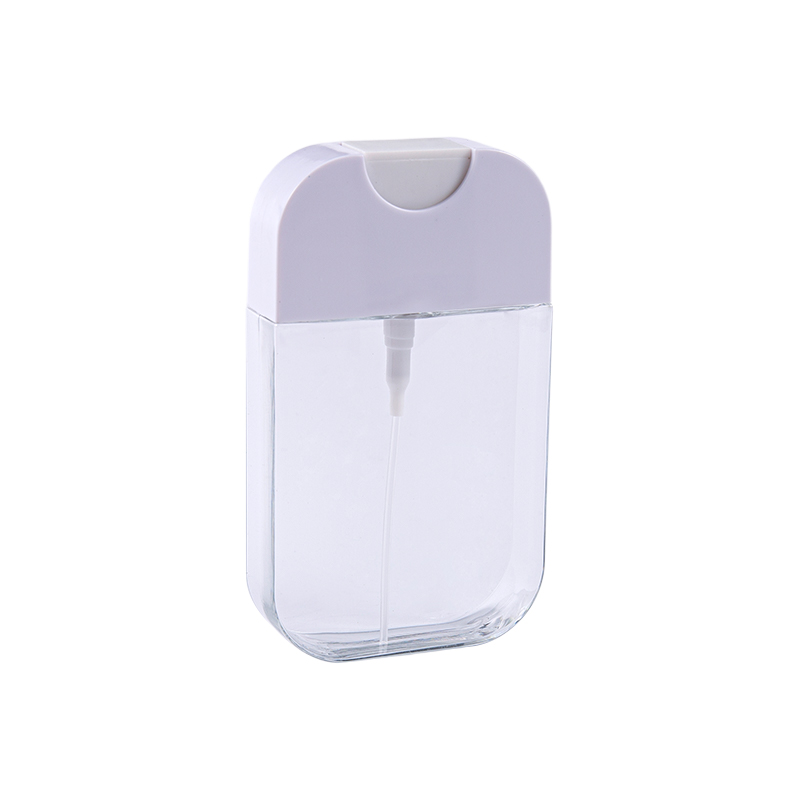 Other (ABS, PETG) material card spray bottle
-
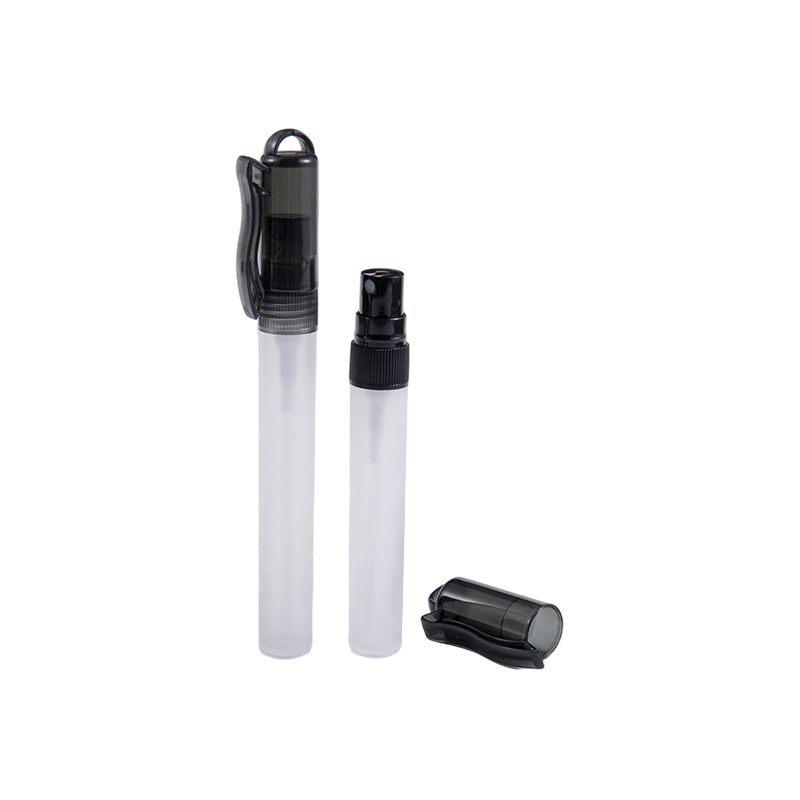 Portable hanging PP perfume spray tube
-
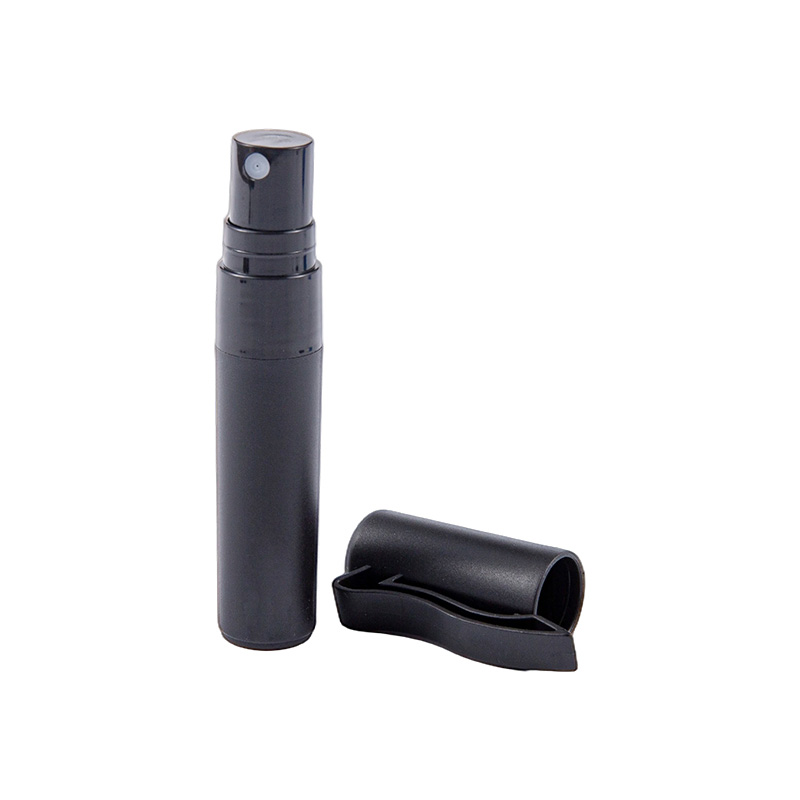 Pen Clip PP Perfume Spray Tube Set (8-15ml)
-
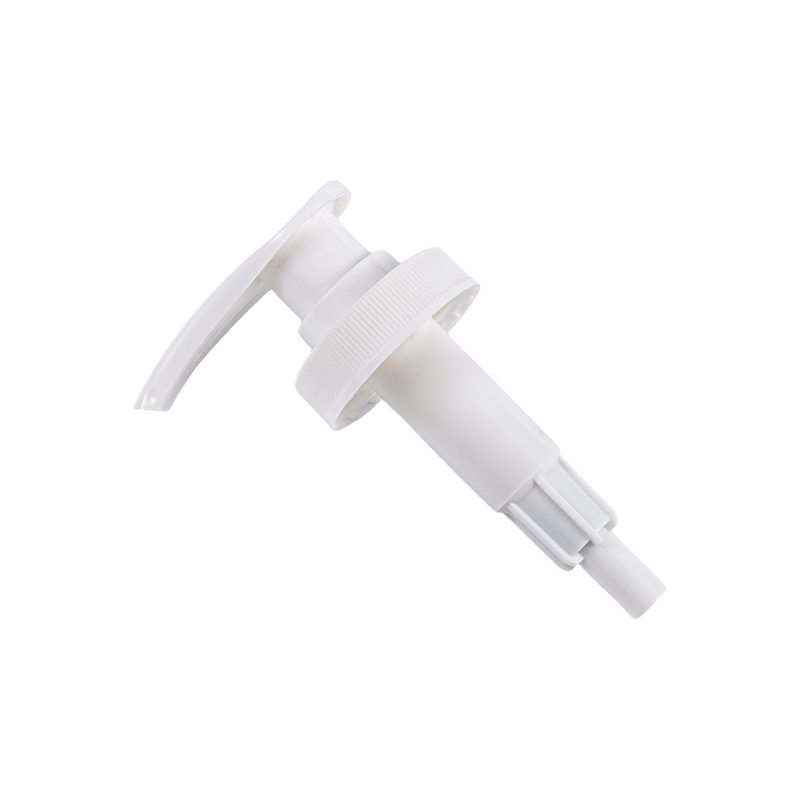 Other caliber lotion pumps can be customized
-
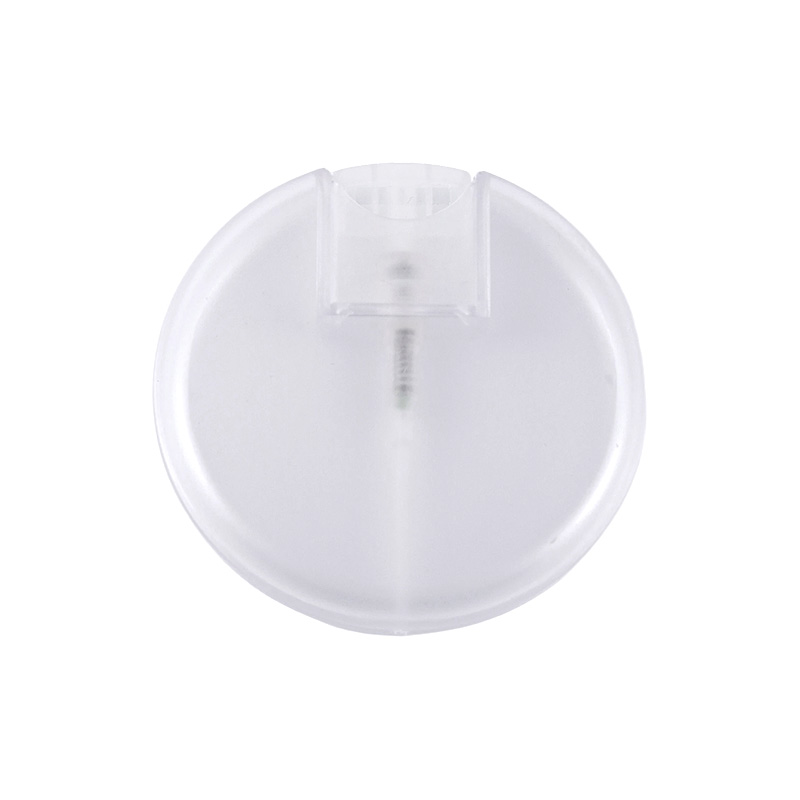 Hook portable card spray bottle
-
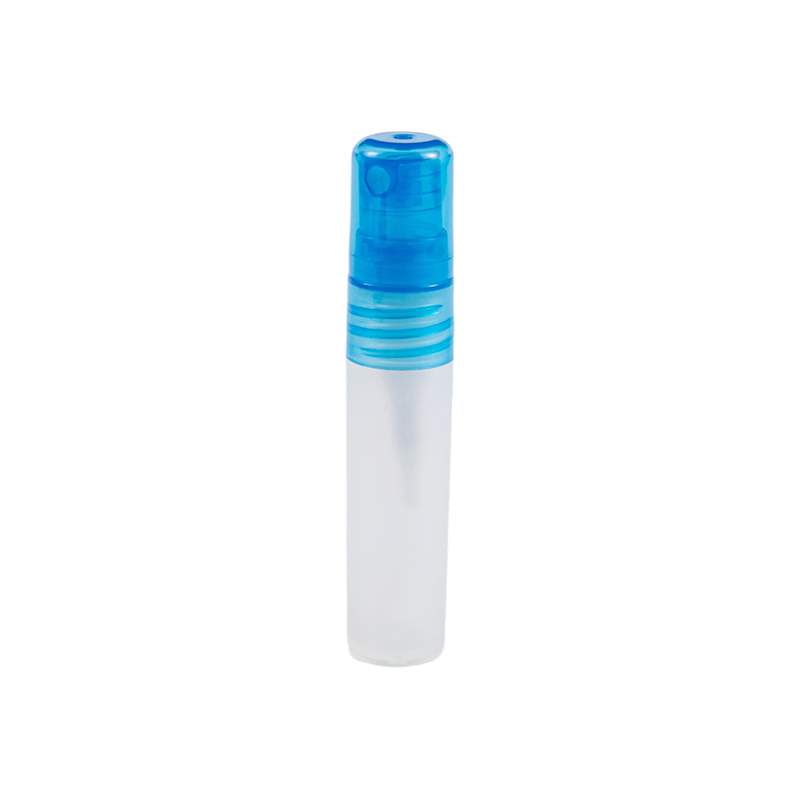 Material PP Height 87/77/73mm Diameter 14/13/12mm Capacity 5/4/3ml Dispensing Volume 0.07 ± 0.01ml





All rights reserved © Shaoxing Shangyu Haibo Spray Plastic Co.,Ltd.Privacy OEM/ODM Spray Plastic Bottle & Pump Manufacturers
浙ICP备2021023122号