 English
 Español
 عربى
عربى 中文简体
中文简体

Why This Stain Remover Pen Is Going Viral
Content
- 1 The Silent Revolution in Everyday Problem-Solving
- 2 The Engineering Marvel: Deconstructing the Simple Stick
- 3 Fabric Universality: From the Finest Silk to the Toughest Workwear
- 4 The Psychology of Portability: Readiness as a Lifestyle
- 5 Navigating Limitations and Mastering the Technique for Optimal Results
The Silent Revolution in Everyday Problem-Solving
In an era dominated by quick fixes and instant gratification, a humble tool has quietly ascended from obscurity to become a staple in households, offices, and travel kits worldwide. The stain remover pen, a device so simple in concept yet so profound in impact, is currently experiencing a viral surge that transcends typical product trends. This phenomenon isn't driven by a massive advertising budget or celebrity endorsement alone; it's fueled by genuine, grassroots appreciation from millions of users who have found an elegant solution to a universal, frustrating problem. The sudden visibility on social media platforms, with countless demonstration videos and life-saving testimonials, is merely the surface manifestation of a deeper shift in consumer behavior. People are increasingly valuing tools that offer autonomy, portability, and decisive action. This pen embodies all three. It represents more than just stain removal; it signifies a move towards self-reliance and preparedness in the face of life's unpredictable messes. From the parent at a soccer game to the executive in a crucial meeting, the ability to instantly address a spill transforms panic into poise, potentially saving costly garments and social embarrassment. This article will explore the multifaceted reasons behind this viral explosion, examining the specific pain points it addresses, the science that makes it effective, and the cultural shift towards convenience that has made it an indispensable modern accessory.
The Engineering Marvel: Deconstructing the Simple Stick
To understand why the stain remover pen works so well where other methods fail, one must look past its marker-like exterior and into its sophisticated internal design and chemistry. Unlike traditional cleaning, which often involves a blanket approach of soaking and agitating large sections of fabric, the pen employs a philosophy of targeted, minimal-intervention warfare against stains. The core system is typically a two or three-part mechanism housed within a sleek, leak-proof barrel. At its heart is a specialized formulation—often a viscous gel or liquid—composed of a carefully balanced cocktail of surfactants to reduce surface tension, solvents to dissolve oily compounds, and enzymes or oxidizing agents to break down organic matter like proteins or tannins. This formula is stored in a sealed reservoir, protected from air and evaporation, ensuring potency until the moment of use. The application tip itself is a critical component, usually made of a dense, abrasive yet non-damaging material like a micro-scrubber or a firm felt. This tip serves a dual purpose: it allows for controlled deposition of the cleaning solution and provides the gentle mechanical action needed to work the formula into the fibers without the harsh rubbing that can spread a stain or damage delicate fabrics. This combination of chemical and mechanical action in a single, precise tool is a significant leap forward from the separate, messy steps required by conventional spot treatments.
A Closer Look at the Chemical Cavalry
The true magic lies in the formulation's ability to tackle a diverse array of stain types. For protein-based stains like blood, egg, or dairy, enzymatic components act as biological catalysts, breaking down the complex proteins into smaller, water-soluble fragments that can be easily lifted away. For tannin stains from red wine, coffee, or tea, the formula often includes mild oxidizing agents or specific tannin-complexing agents that alter the pigment's structure, rendering it colorless or easier to remove. The challenge of how to get red wine out of silk at a wedding is particularly acute because silk is delicate and the stain sets quickly. A quality stain remover pen addresses this with a solvent system that is aggressive enough to attack the wine's components but delivered in such a controlled, minimal-moisture manner that it doesn't water-spot or degrade the sensitive silk fibers. This targeted delivery system prevents the "over-wetting" that is a common pitfall of home remedies, where the cure (a large wet patch) can be as problematic as the original stain.
The Physics of Stain Removal in a Confined Space
Physically, the pen leverages the principles of capillary action and controlled solubility. When the tip is applied to a stain, the cleaning solution wicks into the stained fibers through capillary forces, ensuring deep penetration. The solvents and surfactants then work to solubilize the stain—essentially dissolving it or breaking it into particles suspended in the solution. The absorbent pad often found on the opposite end of the pen or on a separate blotting card is then used to wick this now-dirty solution back out of the fabric. This "flush and extract" cycle, miniaturized and contained, is remarkably efficient. Compare this to spraying a stain with a pre-wash treatment: the spray area is imprecise, the liquid can run or soak through to other layers, and there is no integrated mechanism for extraction, leaving dissolved stain residues to dry back into the fabric. The pen's closed-loop approach is what makes it exceptionally clean and effective, especially for best way to remove cooking oil from clothes quickly. Cooking oil, being hydrophobic, repels water-based cleaners. The pen's solvents emulsify the oil on contact, binding it into a mixture that can then be blotted up, leaving far less residual grease to attract dirt later.
Fabric Universality: From the Finest Silk to the Toughest Workwear
A pivotal factor in the stain remover pen's viral success is its claim to near-universal fabric compatibility. This promise of a one-stop solution for a wardrobe of diverse materials resonates deeply with consumers tired of maintaining a cabinet full of specialized cleaners. However, this universality isn't a myth; it's achieved through intelligent formulation and proper user technique.
The Protocol for Delicate and Luxury Fabrics
Delicate fabrics such as silk, chiffon, wool, and cashmere require the utmost care. Their fibers are easily damaged by abrasion, and their dyes can be sensitive to pH shifts or harsh chemicals. The stain remover pen, when used correctly, mitigates these risks. The first rule is always to perform a patch test on an inconspicuous seam or hem. Assuming compatibility, the technique involves dabbing—a vertical pressing and lifting motion—rather than the horizontal rubbing that can distort fibers and cause fuzzing. The pen allows you to apply a minuscule amount of solution exactly where it's needed. For a scenario like a champagne spill on a silk blouse, immediate blotting with a napkin to absorb excess liquid, followed by several dabs with the pre-moistened pen tip, can lift the sugar and alcohol before they set or leave a ring. The limited moisture application is key; it treats the stain without subjecting the entire garment section to a wetting that could affect the fabric's drape or finish. This precise capability is why it's often recommended as an effective stain remover for old coffee stains on white shirts, even on delicate cotton blends. While "old" stains are challenging, multiple targeted applications over time can gradually break down the set-in tannins without repeatedly soaking and stressing the entire shirt as a bleach bath would.
Conquering Durable and Synthetic Blends
For everyday workhorses like cotton denim, polyester sports apparel, or nylon jackets, the pen can be used more robustly. On these tougher fabrics, you can often employ gentle circular motions with the tip to help work the cleaning agents deeper into the weave. Stains on these materials are often more varied: grass on kids' khakis, grease on mechanic's jeans, ink on a student's backpack. The pen's multi-target formula is designed to handle this spectrum. For grease, the solvents are paramount. For grass chlorophyll, the surfactants and mild bleaching agents come into play. The following detailed comparison illustrates why the pen has become the preferred first-response tool over common household alternatives for these durable fabrics:
| Stain & Fabric Scenario | Common Household Method & Drawbacks | Stain Remover Pen Protocol & Advantages | Outcome Comparison |
|---|---|---|---|
| Ink on School Uniform Polyester/Cotton Blend (addressing quick fix for pen ink on school uniforms) | Applying rubbing alcohol or hairspray from a distance, often soaking a large area. The alcohol can spread the dye, create a "halo," and may degrade some synthetic fibers or affect dyes. | Applying the pen solution directly to the ink line, letting it sit for 60 seconds to dissolve the dye, then dabbing firmly with the absorbent pad. The treatment is hyper-localized. | The pen method typically contains the stain to its original area, with minimal fading of the garment's color. The household method often leaves a larger, fainter stain ring and can stiffen the fabric. |
| BBQ Sauce on a White Cotton T-Shirt | Rinsing under hot water (which can set the tomato pigment), then applying a paste of detergent and baking soda. This is messy, requires access to a sink, and the baking soda can be abrasive. | Scraping off solid residue, then applying the pen gel to the oily/tomato-based stain. The enzymes and solvents work on both components. Blotting removes the dissolved sauce. | The pen allows for immediate treatment at the picnic table, preventing the stain from setting during the journey home. The rinse-and-paste method is deferred but may be more thorough for a heavily saturated stain. |
| Motor Oil on Denim Jeans | Using heavy-duty degreasers or dish soap, which require copious water for rinsing and can leave the denim saturated, heavy, and potentially damaged if the degreaser is too harsh. | Blotting excess oil, then generously applying the pen's solvent-rich formula. Allowing it to penetrate and repeating. The solvents evaporate, leaving little residue. | The pen dries quickly and allows the jeans to be worn again almost immediately without a wet, uncomfortable patch. It effectively breaks down the oil for easier removal in the next wash. |
| Lipstick on a Wool Blend Sweater | Attempting to scrape and then using a pre-wash spray, which can soak through the knit and spread the oily lipstick dye to inner layers. | Gently dabbing with the pen tip. The solvents dissolve the waxy/oily base of the lipstick, and the dab-lift action pulls the color out without driving it deeper. | The pen minimizes fiber disturbance and prevents the stain from migrating through the knit structure, preserving the sweater's texture and form. |
The Psychology of Portability: Readiness as a Lifestyle
Perhaps the most significant driver of the pen's viral status is its form factor. It transforms stain removal from a reactive, household chore into a proactive, portable skill. This shift taps into powerful psychological themes of control, preparedness, and competence.
The "Everyday Carry" Phenomenon and Peace of Mind
The modern "Everyday Carry" (EDC) movement emphasizes carrying tools that enhance daily efficiency and readiness. The stain remover pen has become a quintessential EDC item, especially for urban professionals, parents, and travelers. Its size—comparable to a large marker—means it slips effortlessly into a glove compartment, a laptop bag, a diaper bag, or even a jacket pocket. This constant availability provides an intangible sense of security. The anxiety associated with spilling coffee before a presentation or having a child drop ketchup on a favorite shirt is markedly reduced when you know you have a proven countermeasure within arm's reach. This directly answers the need behind searches for a portable laundry stick for travel stains. For the traveler, it's a game-changer. It solves the problem of limited wardrobe rotation, eliminates the need to hunt for a local laundry service or pay exorbitant hotel cleaning fees for a simple spot, and allows for quick refreshes in transit. A pen can treat a deodorant mark, a splash of wine, or a street food stain in a hostel or airport bathroom, extending the wearable life of packed clothes indefinitely.
Beyond Clothing: The Expanding Universe of Use Cases
The viral spread is also fueled by creative, off-label uses that users share online. Its utility has expanded far beyond the garment realm, demonstrating remarkable versatility:
- Home Upholstery and Automotive Interiors: A quick treatment for a coffee spill on a light-colored car seat or a sofa cushion can prevent a permanent, costly eyesore. The pen's precision prevents overwetting the foam underneath.
- Luggage and Accessories: Scuffs and dirt on light-colored nylon luggage, backpacks, or even canvas shoes can often be lightened or removed.
- Table Linens and Napkins: During a dinner party, a discreet application under the table can rescue a linen napkin or tablecloth, maintaining the elegance of the event.
- Soft Furnishings: Throw pillows, curtains, and lamp shades can benefit from spot cleaning without the need to dismantle and wash entire items.
This versatility reinforces the product's value proposition exponentially. It's not a single-use item; it's a multi-surface quick-clean tool. For the parent facing the daily barrage of messes, having one tool that can address a juice stain on a cotton t-shirt, a crayon mark on a polyester backpack, and a mud splatter on the car seat fabric simplifies life immensely. This breadth of application generates endless positive word-of-mouth stories and social media content, each new use case adding fuel to the viral fire.
No product is a panacea, and the stain remover pen's viral hype must be tempered with realistic expectations. Understanding its boundaries is crucial for user satisfaction and for maintaining its sterling reputation in the long term.
The Boundaries of Efficacy: What It Cannot Do
Recognizing when not to use the pen is as important as knowing how to use it. It is generally not designed for:
- Large, Saturating Stains: A stain covering more than a few square inches, or one that has soaked entirely through a garment, usually requires full immersion washing for even treatment.
- Non-Washable Fabrics: Leather, suede, velvet, and some waterproof membranes can be damaged by the solvents or cleaning agents. Always check the care label and perform a patch test.
- Unknown, Set-In Historical Stains: A stain that has been through the dryer multiple times or is months old has undergone chemical changes that make it extremely resistant. While the pen might improve it, complete removal is unlikely.
- Stains Requiring Redox Reactions: Some stains, like certain dyes or mildew, require specific bleaching (chlorine or oxygen) or reducing agents that are not typically in a multi-purpose pen formula.
A key concern for many is finding a safe stain remover for colored fabrics without fading. The pen's localized action is its greatest asset here. Because you apply the chemistry only to the stained fibers, you avoid the overall fabric exposure and potential uniform fading that can occur with a bucket of color-safe bleach. However, a patch test remains non-negotiable, as some vibrant or unstable dyes can still react.
The Art of Application: A Step-by-Step Master Guide
To achieve the miraculous results seen in viral videos, technique is paramount. Here is an expanded, detailed protocol:
- Immediate Action and Initial Blot: Speed is your greatest ally. The moment a spill occurs, use a clean, absorbent cloth, paper towel, or even a napkin to gently press down on the stain to absorb as much of the excess liquid or solid as possible. Work from the outside of the stain inward to prevent spreading. Do not rub.
- Fabric Preparation: If possible, place a clean, dry cloth or a few layers of paper towel underneath the stained area. This absorbent barrier will pull the stain and cleaning solution downward and away from the fabric, preventing it from re-depositing on other layers of the garment.
- Application of Solution: Press or click the pen to prime the tip until it is moist with solution. Apply the solution directly to the center of the stain, allowing it to spread outward to the edges. For larger spots, you may need to re-prime and apply in sections. Ensure the stained fibers are saturated but not dripping.
- The Critical Dwell Time: This is the most overlooked step. Allow the solution to work on the stain for a full 3 to 5 minutes (or as directed). This gives the surfactants, solvents, and enzymes time to penetrate, break bonds, and solubilize the stain particles. Watching the stain begin to dissolve during this period is common.
- Mechanical Agitation and Extraction: Using the textured tip of the pen itself, or the provided blotting card, gently dab, press, or use tiny circular motions over the treated area. This mechanical action helps loosen the now-solubilized stain from the fibers. Then, use a clean, dry part of your absorbent cloth or the blotting card to firmly press down and absorb the dirty solution. You should see the stain transferring to the cloth.
- Rinse and Repeat if Necessary: For stubborn stains, you may need to repeat steps 3 through 5. For some water-soluble stains, a final light dabbing with a water-moistened cloth can help remove any residual cleaning formula.
- Final Drying: Allow the area to air dry completely before wearing or putting the garment in the laundry. Do not use a hair dryer or other heat source, as heat can set any remaining stain particles.
This comprehensive process, while detailed, becomes second nature with practice. It underscores that the pen is a tool, and like any tool, its effectiveness is maximized by the skill of the user. The viral trend is sustainable because it is built on a foundation of real, repeatable results. By empowering people to confidently handle crises like a best way to remove cooking oil from clothes quickly at a moment's notice or providing a quick fix for pen ink on school uniforms that saves time and money, the stain remover pen has cemented its place not as a passing fad, but as a permanent and rational upgrade to modern living. Its viral journey is the story of a simple idea executed so well that it has fundamentally changed our relationship with one of life's small but persistent annoyances.
-
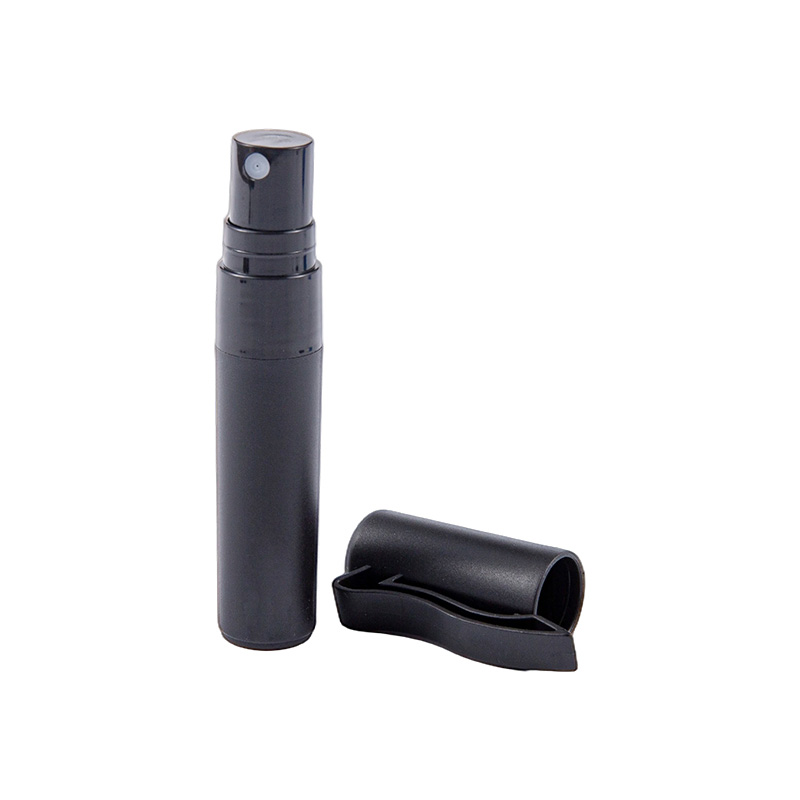 Pen Clip PP Perfume Spray Tube Set (8-15ml)
-
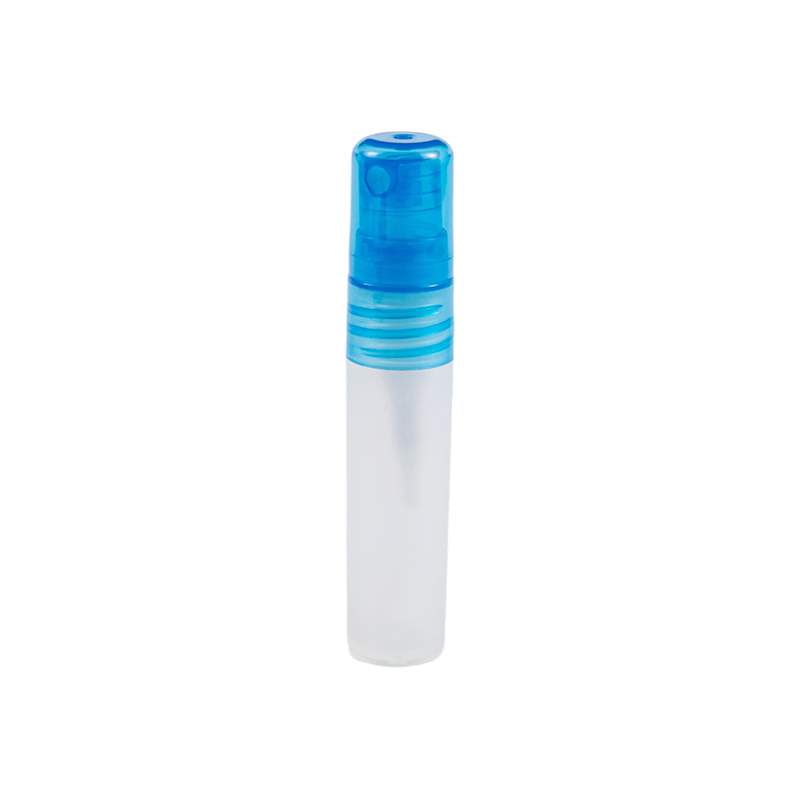 Material PP Height 87/77/73mm Diameter 14/13/12mm Capacity 5/4/3ml Dispensing Volume 0.07 ± 0.01ml
-
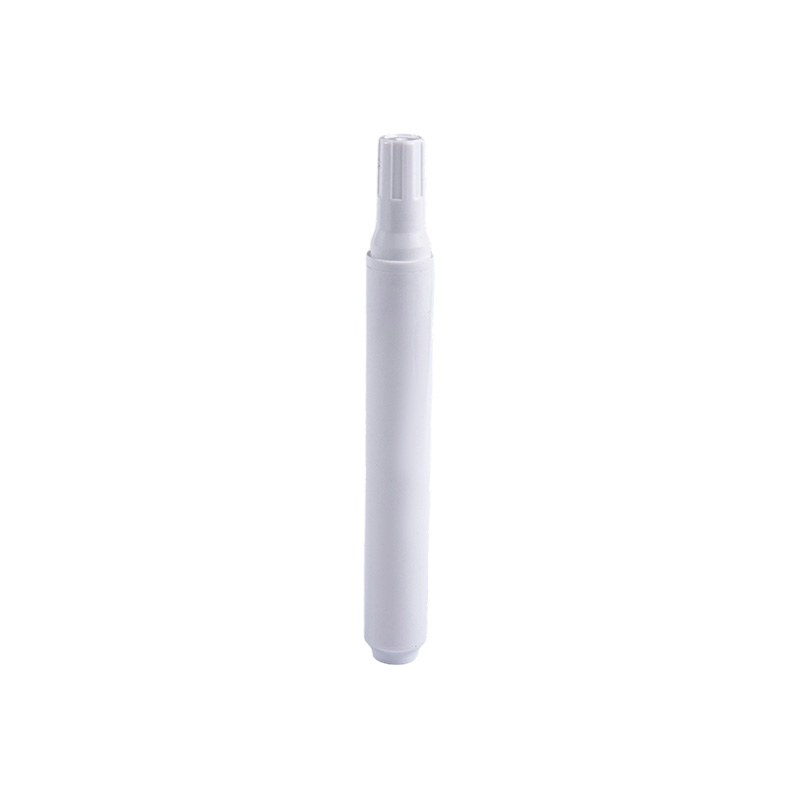 PP disposable stain remover pen
-
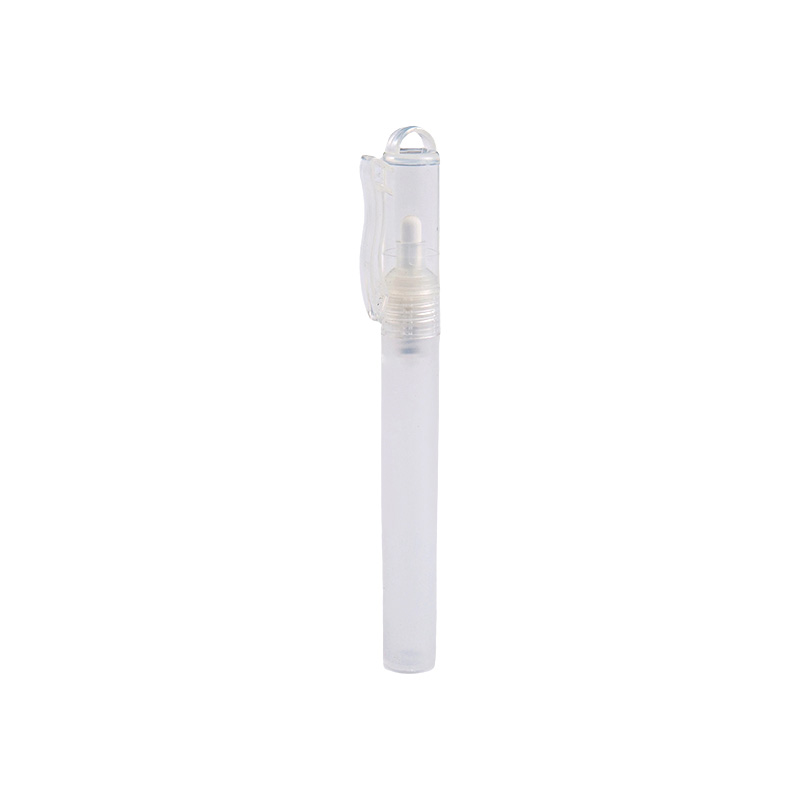 PP refillable stain remover pen
-
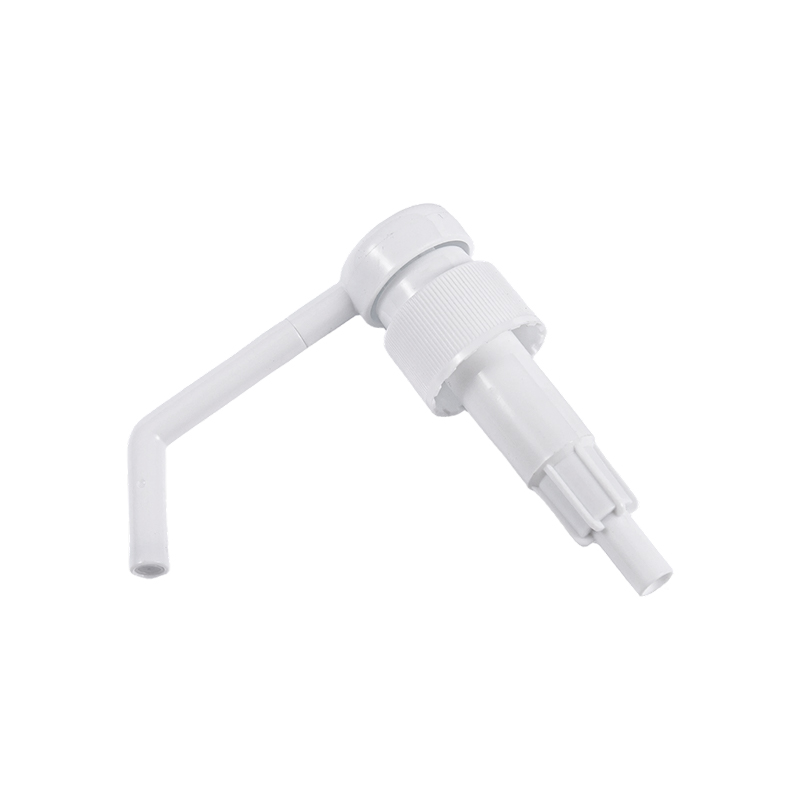 Lotion Pump (corrosion-resistant, chemical solvent-resistant type)
-
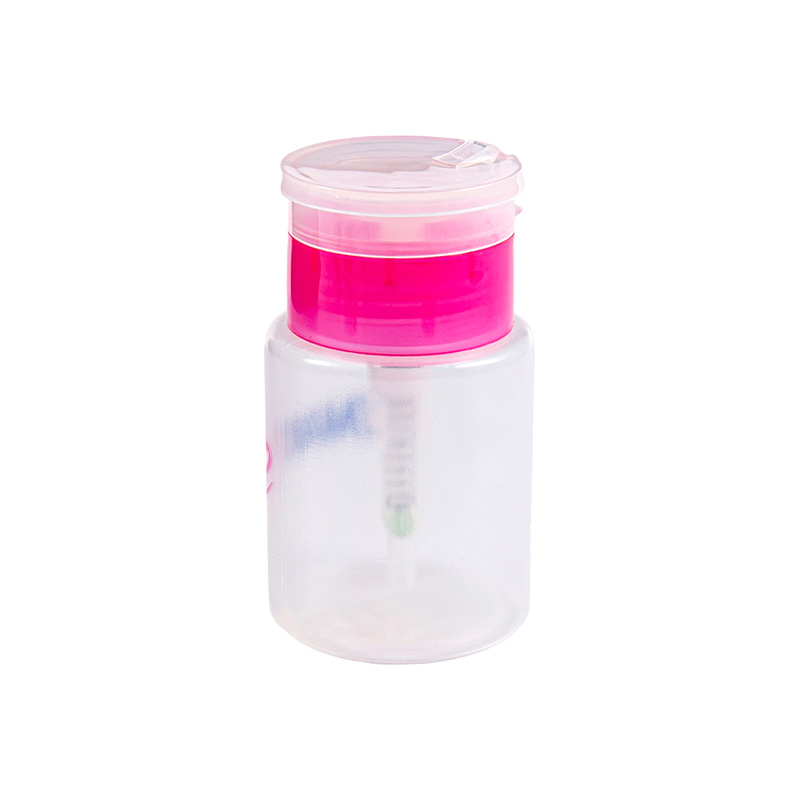 28MM 32MM Caliber Nail Polish Pump





All rights reserved © Shaoxing Shangyu Haibo Spray Plastic Co.,Ltd.Privacy OEM/ODM Spray Plastic Bottle & Pump Manufacturers
浙ICP备2021023122号