
 English
 Español
 عربى
عربى 中文简体
中文简体

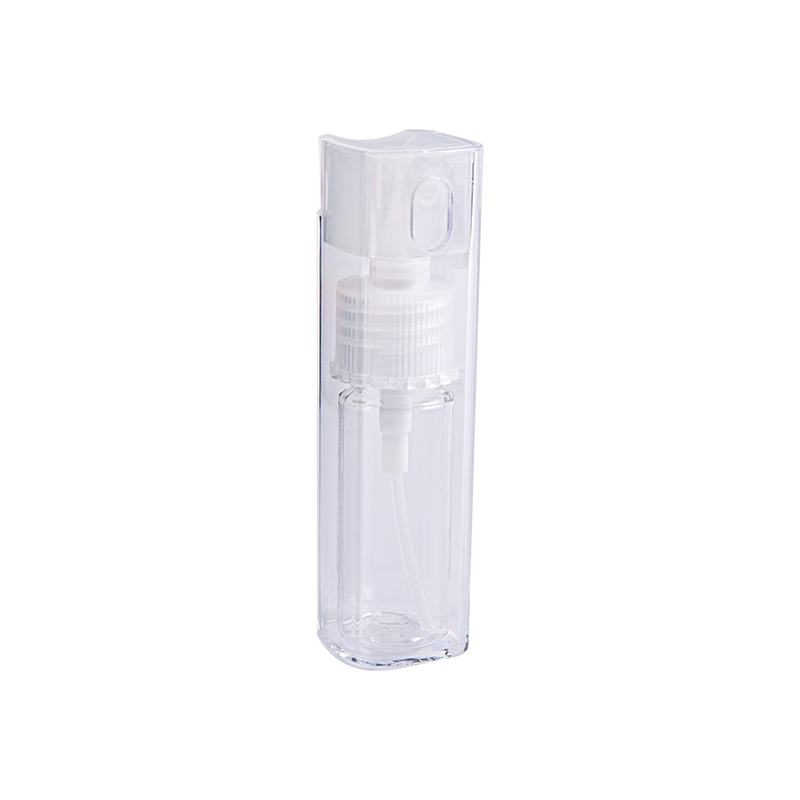
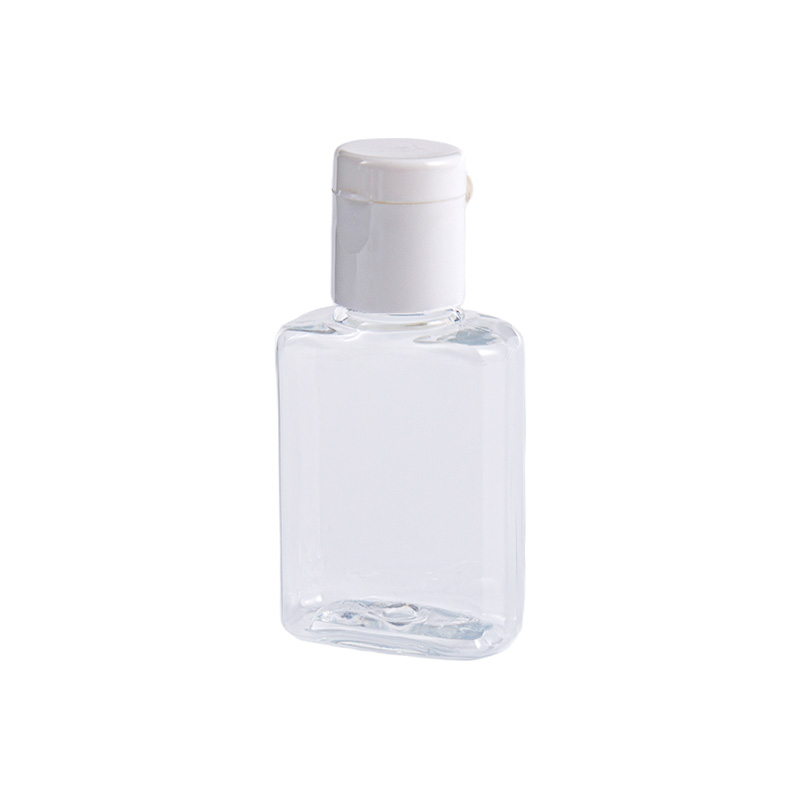
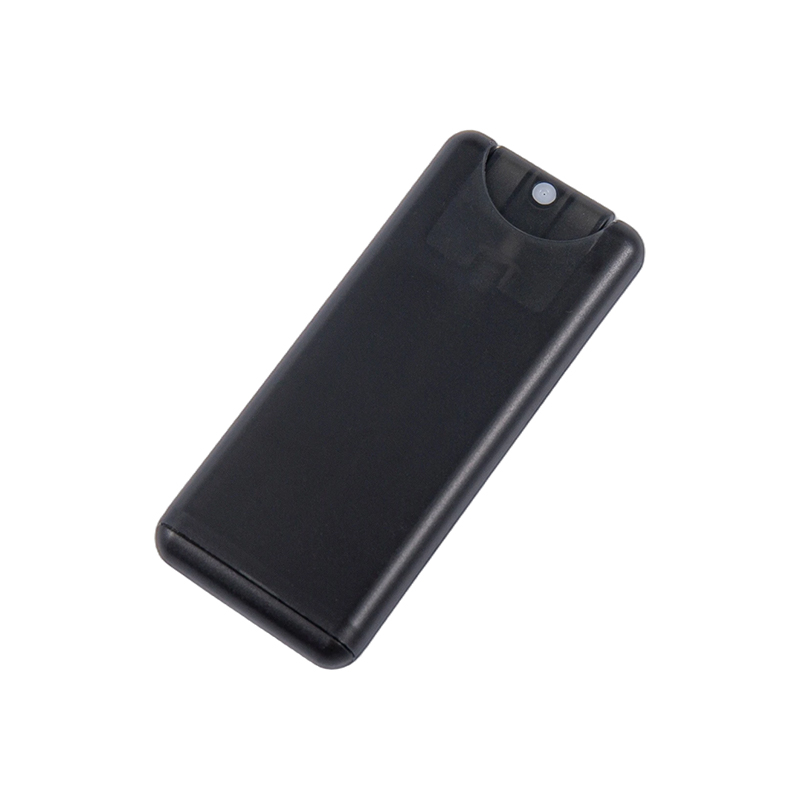
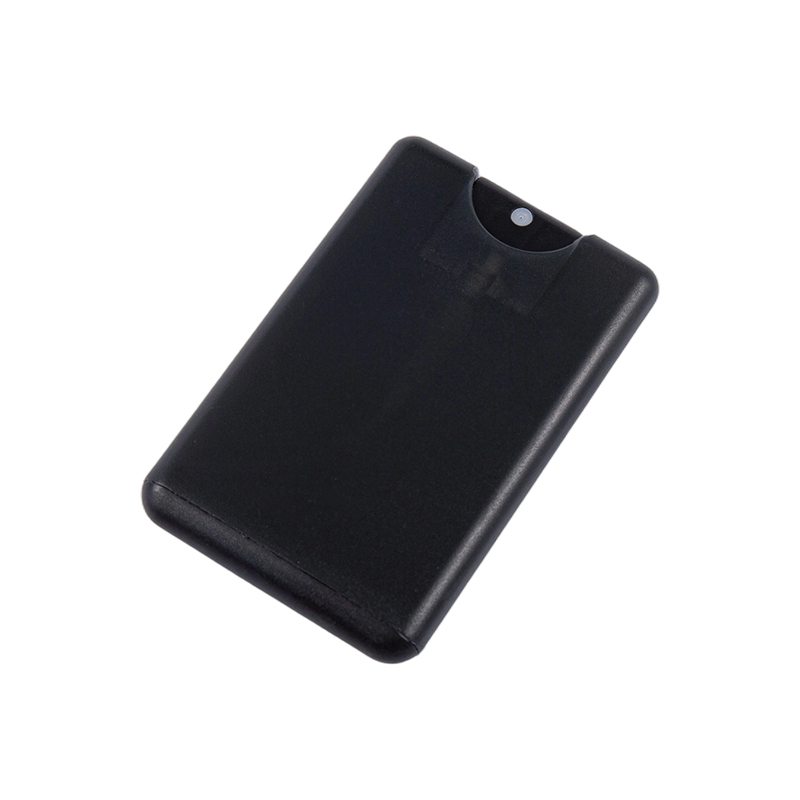
The Art and Science of Modern Perfume Bottles: An Industry Insight
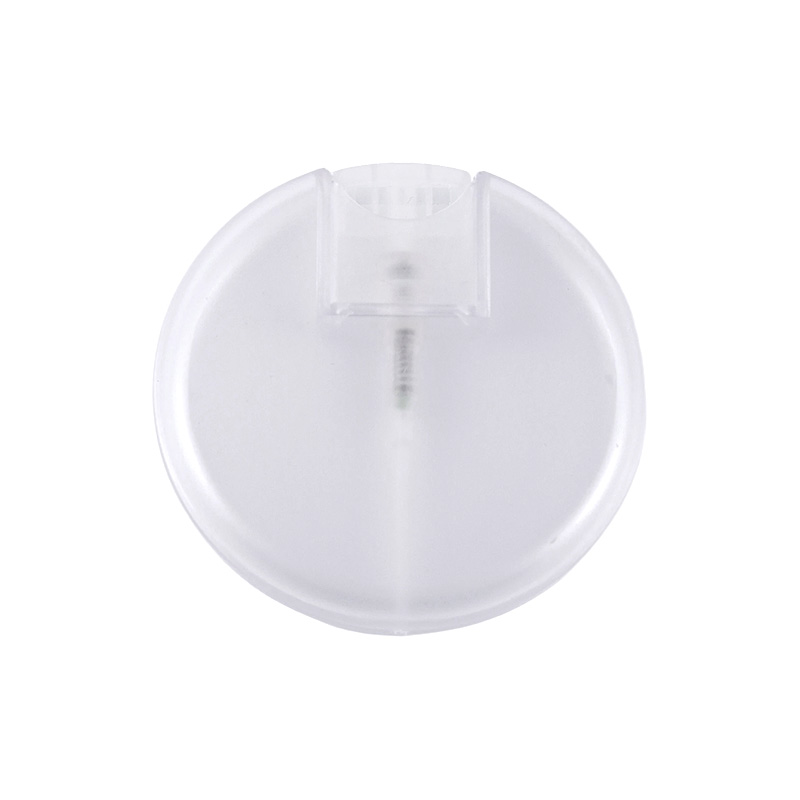
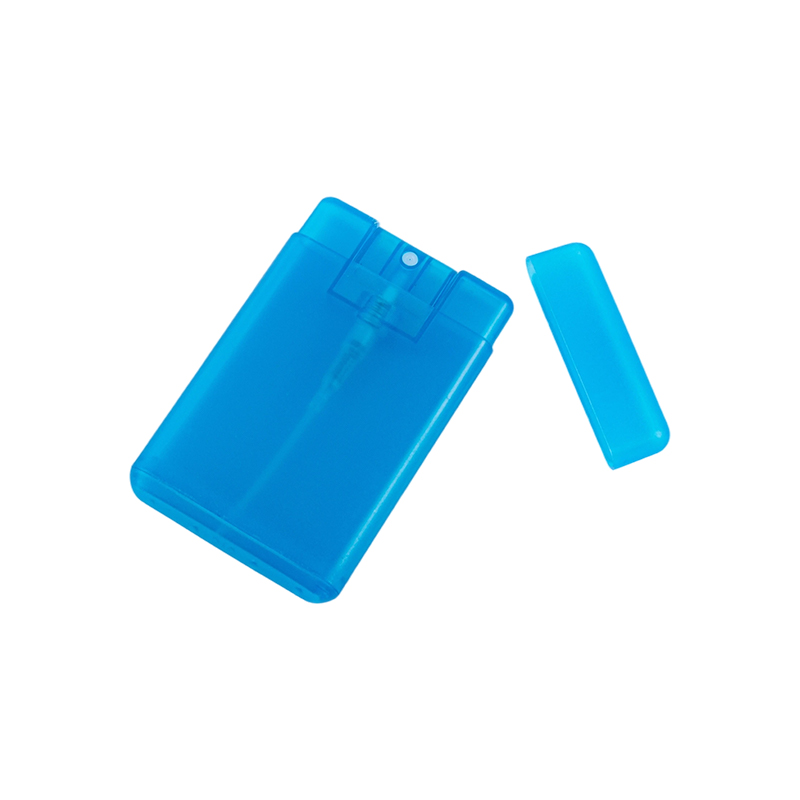
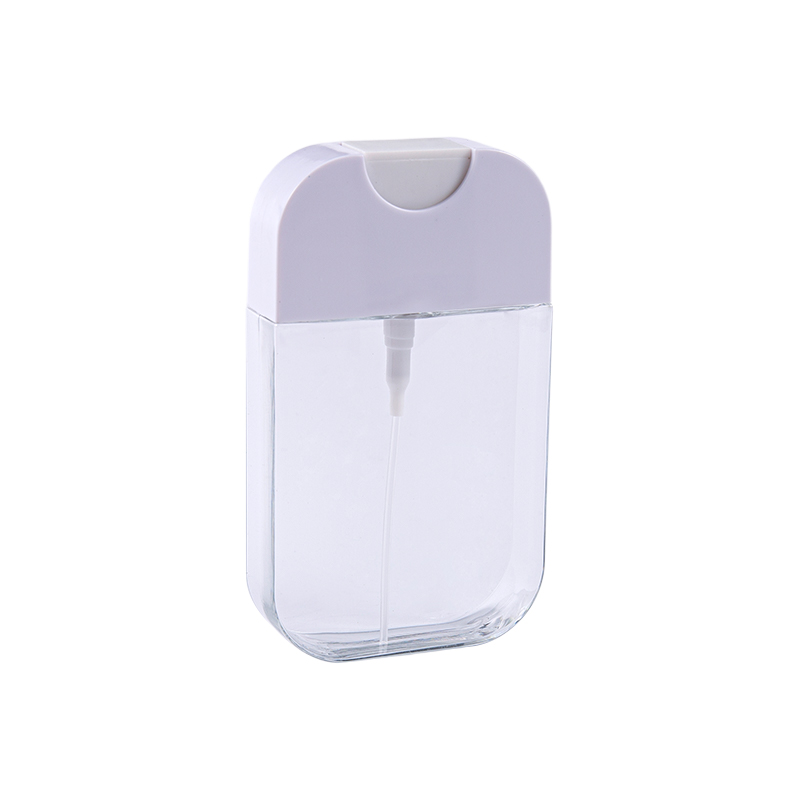
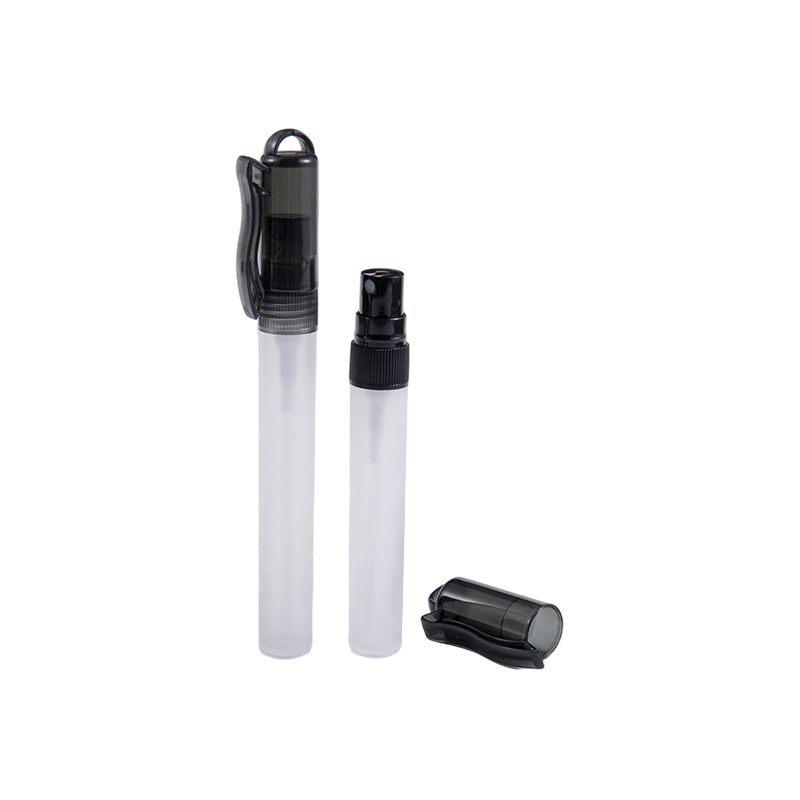
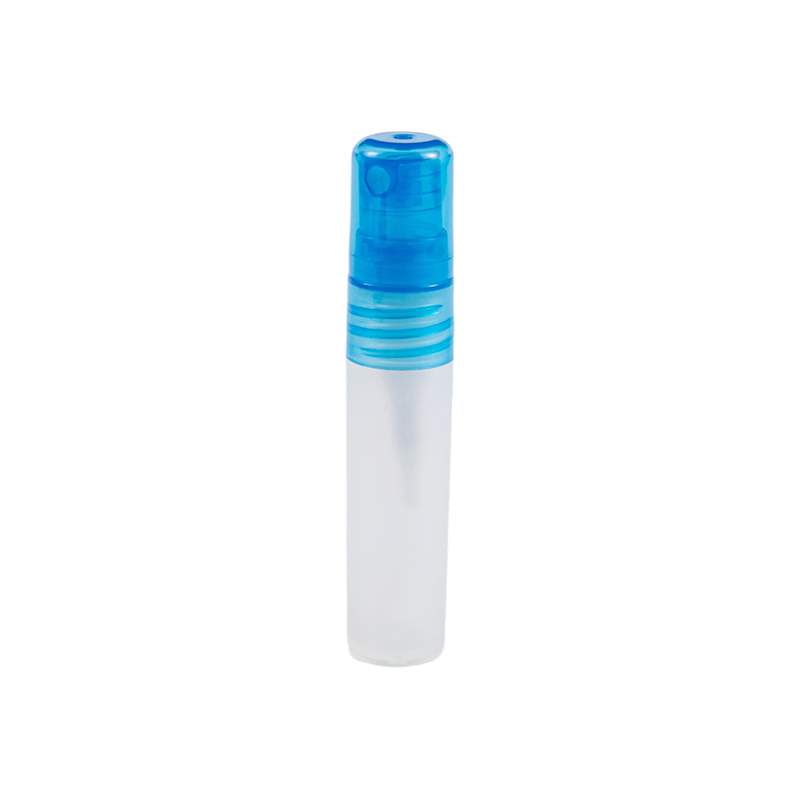
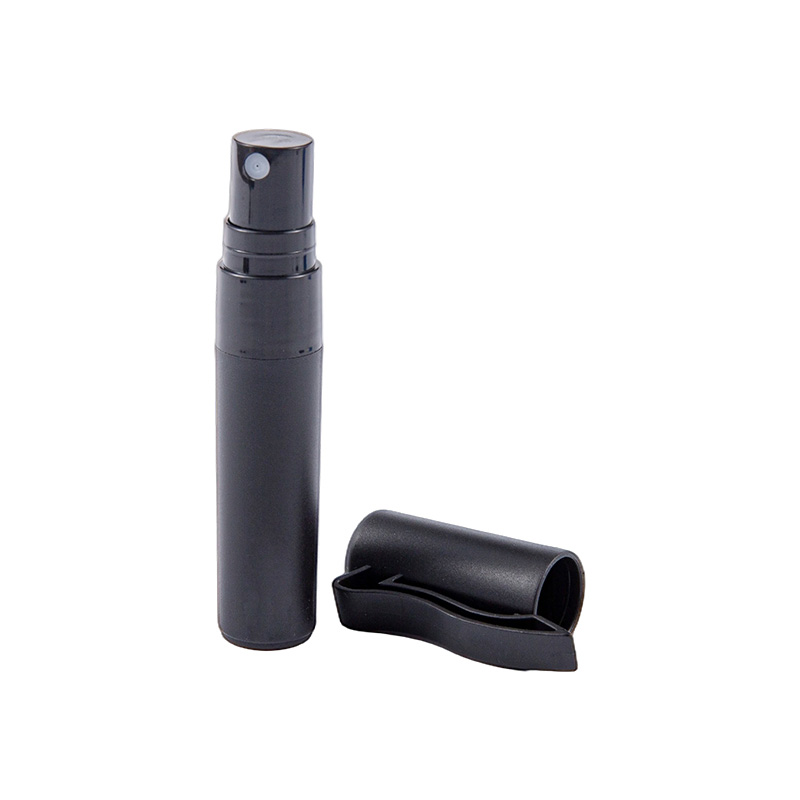
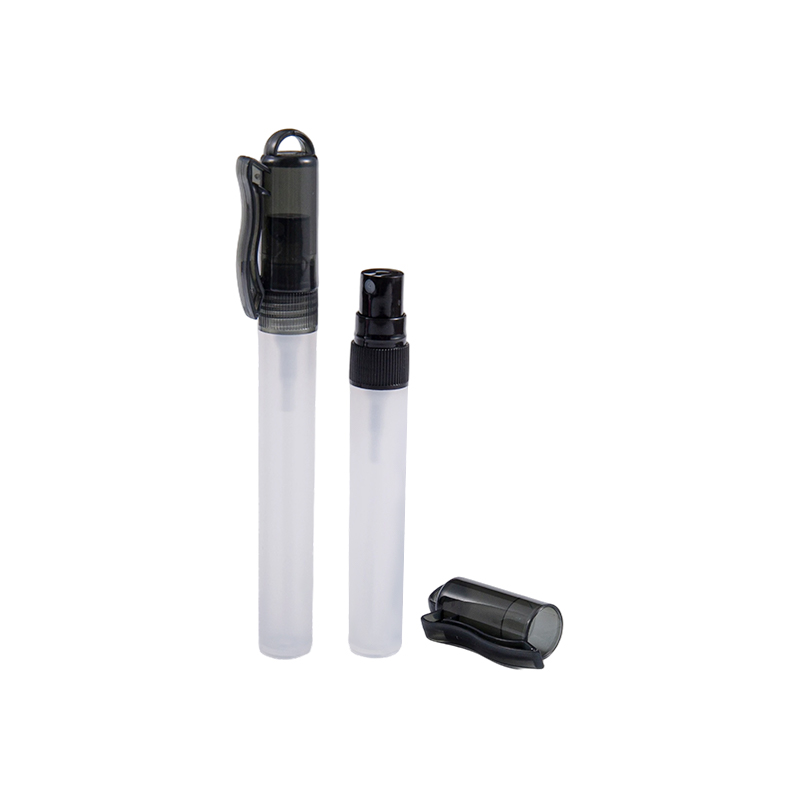
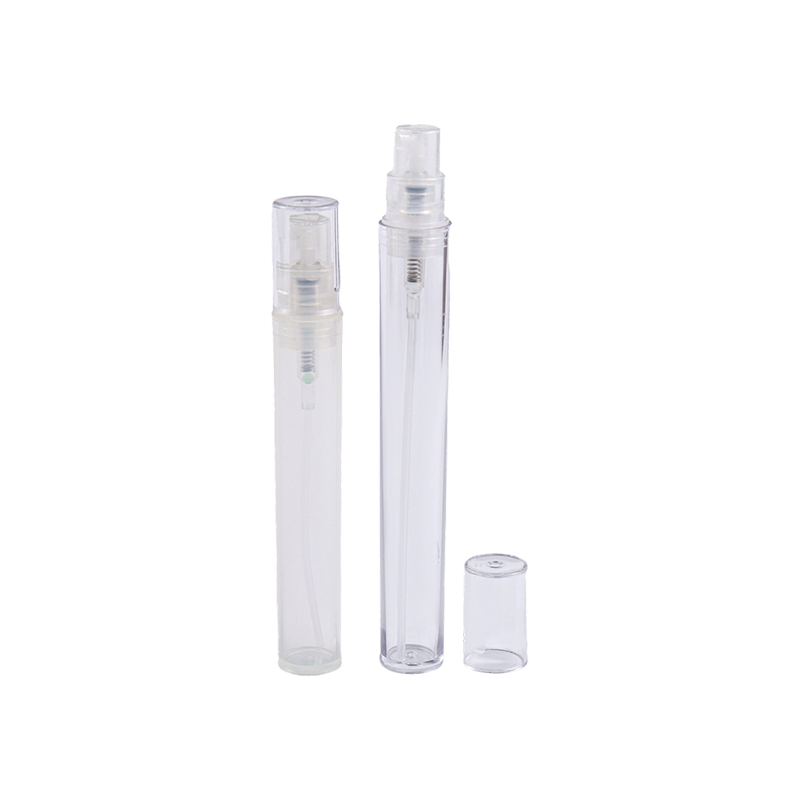
The world of PERFUME BOTTLES is far more complex than simple containers; it is an intricate fusion of design, material science, engineering, and brand strategy. As a critical touchpoint between a fragrance and its user, the bottle's form and function are paramount. With a legacy dating back to 1995, Shaoxing Shangyu Haibo Spray Plastic Co., Ltd. has been at the forefront of this evolution. As a privately-owned enterprise specializing in mini sprayers, perfume pens, and cartridge perfume bottles, the company has developed a comprehensive range of over 100 varieties across seven major series, including plastic perfume tubes, spray heads, and vacuum bottles. These components are essential for the packaging in cosmetics, daily chemical, and healthcare industries. This article delves into the core knowledge areas that define excellence in perfume bottle manufacturing and innovation today.
1. From Bottle to Mist: Decoding the Precision Spray System
The delivery system is the heart of the user experience. A superior spray mechanism ensures a consistent, fine mist that properly disperses the fragrance without waste or leakage.
Key Parameters and Engineering Focus
- Mist Fineness & Spray Angle: Measured in microns, a finer mist (typically 50-150µm) ensures even distribution and a pleasant sensation on the skin. The spray angle controls the coverage area.
- Dosing Accuracy & Seal Integrity: Consistent volume per actuation (e.g., 0.05-0.1ml) is crucial. The system must maintain a perfect seal to prevent evaporation or leakage of volatile perfume oils.
- Actuation Force & Compatibility: The smoothness of the pump and its chemical resistance to a wide range of alcohols and fragrance compounds are non-negotiable for quality and longevity.
2. Material Evolution: Plastic's Journey to Premium Performance
Modern engineering plastics have revolutionized packaging by offering durability, design flexibility, and high-end aesthetics at a compelling cost.
Balancing Aesthetics with Function
- Clarity & Barrier Properties: Materials like PETG and PMMA offer glass-like clarity (over 90% light transmission) while being shatterproof. Advanced grades provide excellent barrier properties against oxidation.
- Safety & Compliance: All materials must comply with international standards (e.g., FDA, REACH) for direct contact with cosmetics and fragrances, ensuring they are free from harmful substance migration.
- Surface Enhancement: Techniques like vacuum metallization, soft-touch coating, and precision printing are used to achieve luxurious metallic, matte, or textured finishes.
3. Innovation in Form: The Rise of Portable and Application-Specific Designs
Changing lifestyles have driven demand for portable, convenient, and novel fragrance application methods beyond the traditional bottle.
Meeting Modern Consumer Needs
| Product Form | Key Features | Market Appeal |
| Perfume Pens & Roll-Ons | Precise, no-spill application; compact size (1-5ml); pocket-friendly. | On-the-go touch-ups, travel, sampling, and targeted pulse-point application. |
| Refillable Cartridge Systems | Modular design; reduces waste; encourages brand loyalty through repeat purchases of refills. | Eco-conscious consumers, premium brands emphasizing sustainability. |
| Mini Sprayers & Tubes | Disposable or single-use; excellent for product sampling, promotional events, and hotel amenities. | Marketing, cost-effective sampling, and creating brand trial. |
4. Beyond Packaging: The Bottle as a Brand and Sustainability Icon
Today's perfume bottle is a key medium for brand storytelling and demonstrating environmental responsibility.
Driving Value Through Design and Responsibility
- Customization & Brand Identity: From unique cap designs to custom molds, the bottle is a physical emblem of the brand's image, allowing for instant recognition on shelves.
- The Sustainable Imperative: There is growing pressure to use Post-Consumer Recycled (PCR) plastics, design for recyclability, and develop refillable ecosystems to reduce single-use plastic waste.
5. From Lab to Shelf: Rigorous Testing for Compatibility and Quality
Ensuring the stability, safety, and performance of a fragrance throughout its shelf life requires rigorous scientific validation.
The Critical Path of Quality Assurance
- Compatibility Testing: Long-term storage tests are conducted to ensure no interaction (clouding, softening, scent alteration) occurs between the perfume and the bottle/sprayer materials.
- Performance & Lifecycle Testing: Sprayers are actuated thousands of times to test dosing consistency and mechanical failure points. Tests for leakage, evaporation, and function under various temperatures and humidity levels are standard.
- Batch-to-Batch Consistency: Statistical process control ensures every production run meets identical specifications for dimensions, function, and appearance.
FAQ
What are the main advantages of using plastic over glass for premium perfume bottles?
While glass is traditional, high-quality engineered plastics offer distinct advantages for modern brands:
- Design Freedom & Safety: Plastics can be molded into more complex, intricate shapes than glass and are shatterproof, making them safer for travel and handling.
- Weight & Cost Efficiency: Plastic bottles are significantly lighter, reducing shipping costs and carbon footprint. They also generally have a lower unit cost and minimum order quantity, accessible to emerging brands.
- Advanced Finishes: With modern coating and metallization technologies, plastic can achieve a premium look and feel virtually indistinguishable from glass to the average consumer.
How do I choose the right spray pump for my fragrance formulation?
Selecting a spray pump is a technical decision based on your product's properties:
- Viscosity & Ingredients: Thicker fragrances (e.g., parfum extrait) or those with suspended particles require pumps designed for higher viscosity and larger valve systems to prevent clogging.
- Spray Pattern Goal: For a wide, soft mist (common for eau de toilette), choose a pump with a wider spray angle and finer breakup. For a targeted, concentrated application, a narrower angle is better.
- Material Compatibility: Always conduct compatibility tests. The pump's internal components (gaskets, springs) must be resistant to the specific alcohol and ester compounds in your fragrance to avoid corrosion or malfunction.
Consulting with an experienced manufacturer like Haibo Spray Plastic in the development phase is highly recommended.
Are refillable and sustainable perfume bottle systems really practical for brands?
Absolutely, and they are becoming a major trend. Practical implementation hinges on design:
- Consumer Convenience: Successful systems make the refill process clean, easy, and mess-free—often through a simple cartridge click-in mechanism.
- Economic Model: Refills should be priced attractively to incentivize repeat purchase. This builds a circular relationship with the customer.
- Brand Alignment: Sustainability is a powerful brand value. Marketing the refill system effectively communicates environmental commitment, resonating strongly with a growing consumer segment. The initial investment in a durable outer bottle is offset by the long-term loyalty and reduced packaging waste.
What are the key quality tests I should request from my perfume bottle supplier?
To ensure reliability, insist on seeing test reports for:
- Leakage & Evaporation Test: Bottles stored upside down or under pressure should not leak. Weight loss over time measures seal effectiveness against evaporation.
- Function Life Test: A report showing the spray pump was actuated successfully for thousands of cycles (e.g., 5,000+) without failure.
- Compatibility & Stability Test: Data proving your specific fragrance formula was stored in the bottle/pump for an extended period (e.g., 3-6 months) with no adverse effects on the product or package.
- Dimension & Color Consistency: Evidence that production runs are within tight tolerances for all critical dimensions and color matches.
A reputable supplier will have this data readily available.