
 English
 Español
 عربى
عربى 中文简体
中文简体

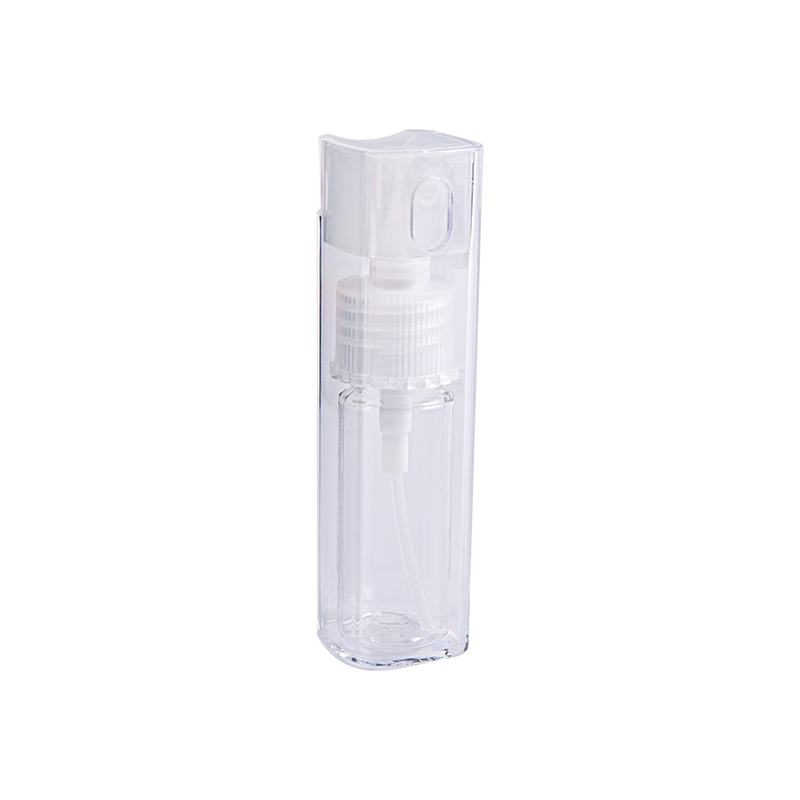
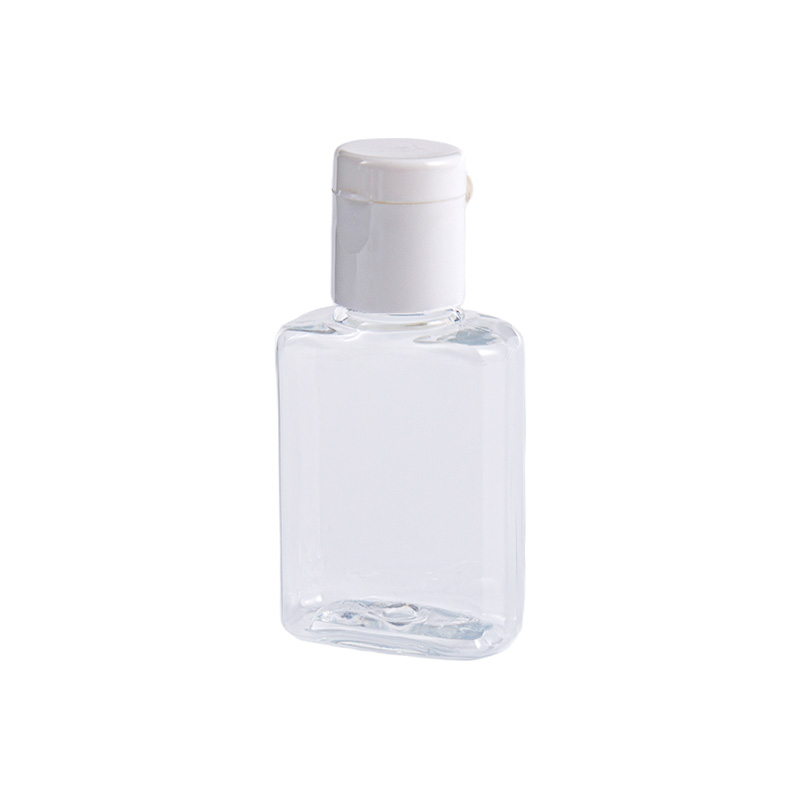
More Than a Container: The Science and Strategy Behind Portable Plastic Bottles
The PORTABLE PLASTIC BOTTLE is a ubiquitous yet ingeniously engineered product that bridges consumer convenience with complex logistical and marketing needs. Far beyond simple storage, its design encompasses material science, ergonomics, and sustainability. For a manufacturer like Shaoxing Shangyu Haibo Spray Plastic Co., Ltd., with a comprehensive portfolio including spray bottles, caps, and various dispensers, mastering the portable bottle means providing solutions for cosmetics, daily chemicals, and healthcare. This article explores the critical industry knowledge that defines high-performance portable packaging.
1. Precision Protection: Barrier Properties and Leak-Proof Integrity
For travel-sized toiletries or sensitive formulations, a bottle must be an impermeable fortress, protecting contents from external elements and internal leakage.
Key Performance and Testing Metrics
- Barrier Performance: Measured by Oxygen Transmission Rate (OTR) and Water Vapor Transmission Rate (WVTR), critical for preserving volatile fragrances, active skincare ingredients, or medicines.
- Seal Integrity: Achieved through precise bottle neck finishes, compatible cap liners (e.g., foam, silicone), and consistent threading. This is tested via pressure, vacuum, and inversion leak tests.
- Durability Testing: Includes drop tests from specified heights and compression tests to ensure the bottle withstands the rigors of travel without cracking or leaking.
2. Functional Fusion: Integrating Spray Mechanisms into Portable Designs
The convergence of portable form and functional delivery systems creates versatile products for modern lifestyles.
Spray Systems for Portable Applications
| Spray Type | Mechanism & Best For | Portability Considerations |
| Fine Mist Spray | Uses a mechanical pump to create a fine aerosol. Ideal for facial toners, sanitizers, or perfumes. | Requires a robust actuator lock to prevent accidental discharge. Balance between bottle size and pump dimensions. |
| Trigger Sprayer | High-output spray for cleaning solutions, garden products, or some hair care. | Larger form factor; needs a secure cap to cover the trigger mechanism. Often used for larger portable bottles. |
| Mini Perfume Atomizer | Ultra-fine mist for premium fragrance application. Often uses a sealed cartridge system. | Focus on luxury aesthetics, compact cylindrical shape, and premium finishes like metal plating. |
3. The Human Touch: Ergonomics and Surface Enhancement
User experience is paramount. How a bottle feels in the hand and interacts with the user defines brand perception.
Designing for Intuitive Use and Appeal
- Ergonomic Shapes: Contoured sides for secure grip, especially when wet. Weight distribution is considered for larger bottles.
- Surface Textures & Finishes: Soft-touch coatings for a premium feel, ribbing for grip, and matte or glossy finishes for visual appeal. In-Mold Labeling (IML) allows for permanent, high-quality graphics.
- Closure Mechanics: Flip-top caps with secure snaps, sport caps that open with a bite, or fine-thread screw caps designed for easy opening with appropriate torque resistance.
4. Material Safety and Regulatory Compliance
When used for healthcare, pharmaceuticals, or high-end cosmetics, the bottle material must be inert and demonstrably safe.
Ensuring Safety for Sensitive Contents
- Material Selection: Use of USP Class VI-approved plastics or materials compliant with FDA 21 CFR and EU regulations for food/food-contact or cosmetic contact.
- Compatibility Testing: Conducting storage studies to ensure the bottle does not leach substances into the product or degrade when exposed to aggressive formulations (high alcohol, essential oils, acids).
- Cleanliness Standards: Production in controlled environments to minimize particulate contamination, especially for bottles intended for sensitive healthcare or electronic cleaning applications.
5. The Sustainable Journey: Eco-Design and Circular Solutions
The future of portable bottles lies in reducing environmental impact without sacrificing performance.
Innovations Driving Green Packaging
- Material Innovations: Incorporating Post-Consumer Recycled (PCR) content, developing bottles from bio-based plastics (like PLA or PHA), and moving towards mono-material construction for easier recycling.
- Design for Reuse: Creating durable, aesthetically timeless bottles intended for long-term refill use, supported by convenient bulk refill stations or pouches.
- Lightweighting: Advanced molding techniques allow for thinner walls that maintain strength, directly reducing plastic use and transportation emissions.
FAQ
What is the best type of portable bottle to prevent my shampoo from leaking in a suitcase?
The most reliable choice is a bottle with a screw cap featuring a silicone or foam liner, combined with a flip-top cap or a separate travel cover for the main closure. For added security, look for bottles designed with an inner sealing membrane that you pierce upon first use. Before traveling, always:
- Ensure the cap is tightly closed.
- Place the bottle in a sealable plastic bag as a secondary containment.
- Turn the bottle upside down and squeeze gently to check for air bubbles escaping, which indicates a good seal.
Avoid bottles with simple snap-on caps or push-pull closures for high-risk, pressure-changing environments like air travel.
Can I safely put essential oils or strong chemical solutions in any portable plastic bottle?
No, this is a critical safety and compatibility issue. Many plastics can degrade, cloud, crack, or leach chemicals when exposed to concentrated essential oils, solvents, or acids.
- For Essential Oils: Use bottles made from HDPE (High-Density Polyethylene) or PET (Polyethylene Terephthalate), which generally have good resistance. Always check with the supplier for specific compatibility data.
- For Strong Chemicals: Consult chemical compatibility charts. PP (Polypropylene) often has broad chemical resistance. For highly aggressive substances, glass or specialized fluorinated plastic may be necessary.
- Always Test: Before bulk filling, conduct a small-scale test by storing the liquid in the bottle for a week and checking for any changes to the bottle or liquid.
What does "BPA-Free" mean, and is it important for portable bottles?
BPA-Free means the plastic is not made with Bisphenol-A, a chemical formerly common in polycarbonate plastics that has raised health concerns. For portable bottles:
- Importance: It is very important for consumer peace of mind, especially for bottles used for water, sports drinks, or baby products. Market demand for BPA-free products is extremely high.
- Material Context: Most common portable bottle materials like PET, HDPE, and PP are inherently BPA-free, as BPA is associated with polycarbonate (PC). A "BPA-Free" label on these materials is often a marketing reassurance.
- Beyond BPA: Informed consumers are now looking for broader safety assurances, such as "food-grade certified," "phthalate-free," or "FDA-compliant" labels, which cover a wider range of potential contaminants.
Are there truly eco-friendly options for single-use or promotional portable bottles?
Yes, the industry is evolving to offer more sustainable single-use solutions. Key developments include:
- High PCR Content Bottles: Using 100% Post-Consumer Recycled plastic for the bottle body dramatically reduces virgin plastic use and carbon footprint.
- Bio-based and Biodegradable Plastics: Materials like PLA (from corn starch) are compostable in industrial facilities. However, clear labeling on proper disposal is crucial to avoid contaminating recycling streams.
- Reduced Plastic & Hybrid Materials: Ultra-lightweight designs and paper-based bottles with a thin plastic liner are emerging to minimize plastic content.
- The Best Option: Whenever possible, designing a durable, refillable bottle for promotions encourages long-term use and is the most sustainable choice overall.