
 English
 Español
 عربى
عربى 中文简体
中文简体

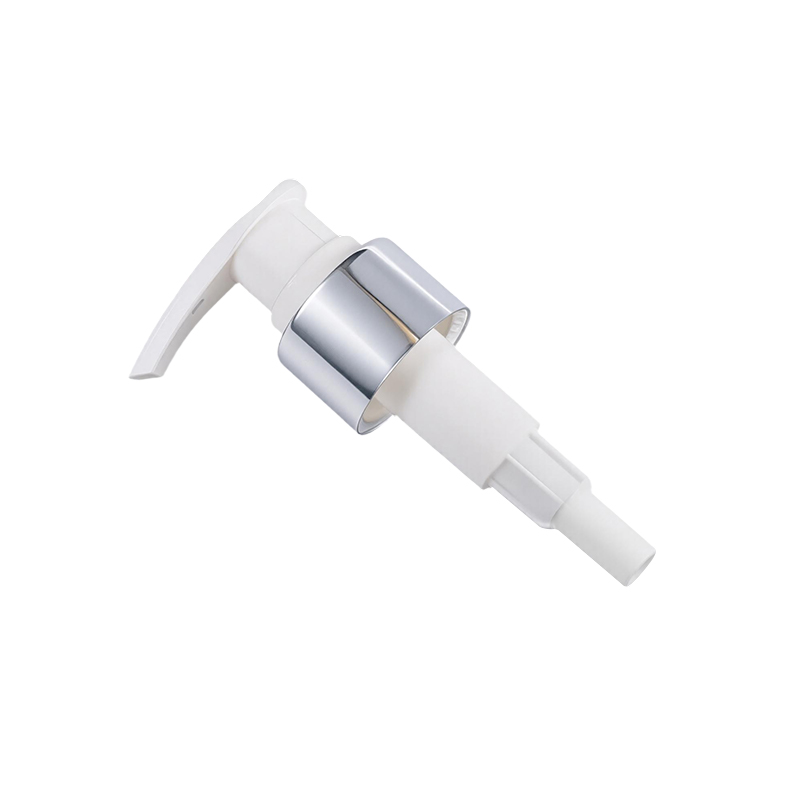
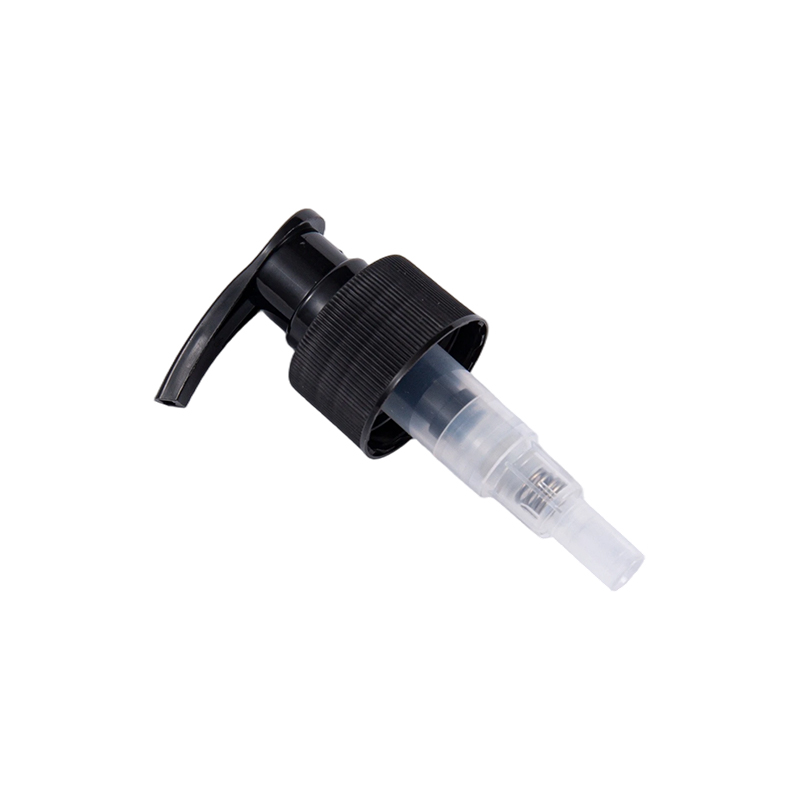
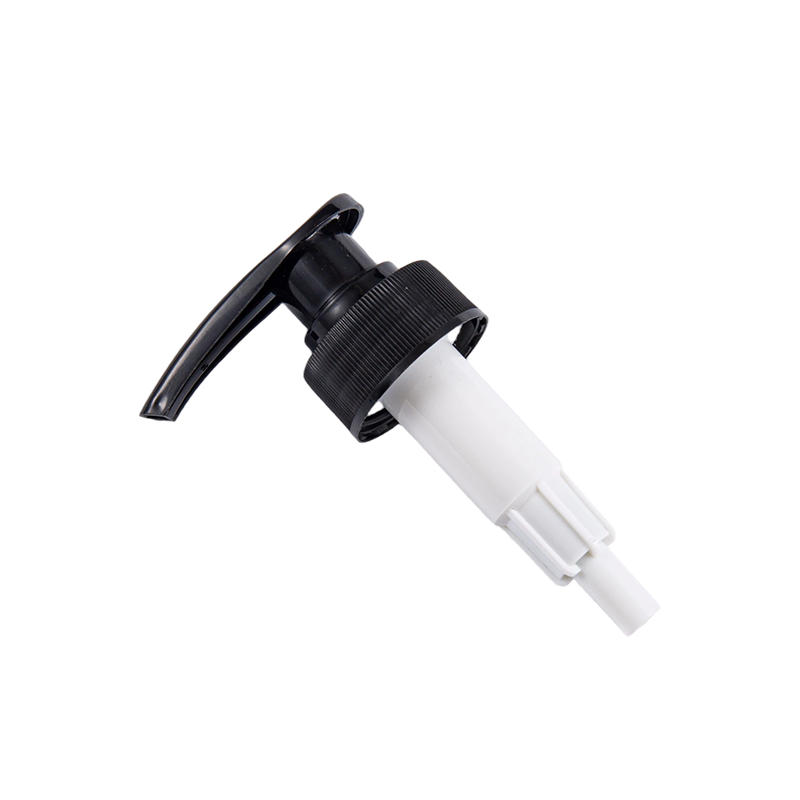
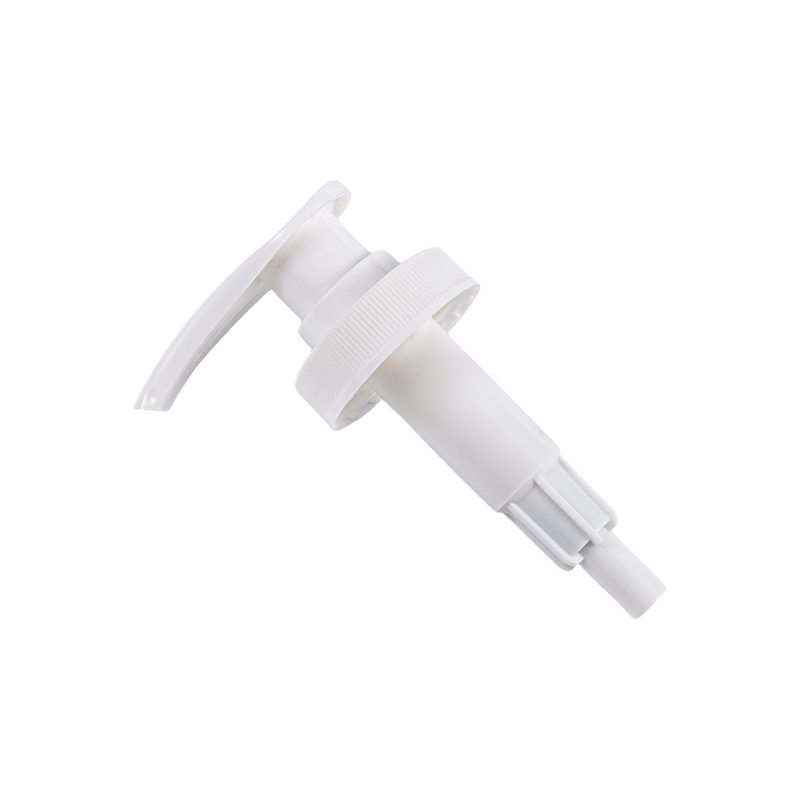
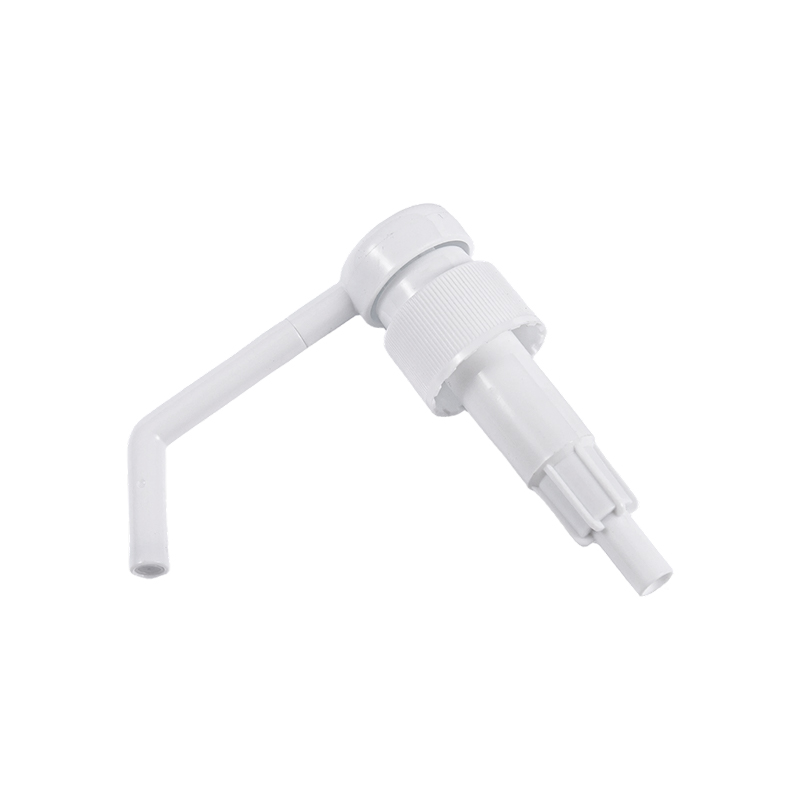
The Precision Engine: A Deep Dive into Plastic Lotion Pump Dispensers
In the world of cosmetics and personal care, the humble PLASTIC LOTION PUMP DISPENSER is a masterpiece of functional design. It is the critical interface between product and user, responsible for precise dosing, hygiene preservation, and brand experience. For a specialized manufacturer like Shaoxing Shangyu Haibo Spray Plastic Co., Ltd., with a history since 1995 and expertise spanning mini sprayers to comprehensive packaging series, the lotion pump represents a convergence of material science, precision engineering, and market understanding. This article explores the technical depth and innovation behind these essential components.
1. Precision Dosing: Locking Mechanisms, Output Volume, and Viscosity Adaptation
At its core, a dispenser must deliver a consistent amount of product—whether a watery toner or a thick cream—with every use, and prevent leakage thereafter.
Key Engineering Parameters
- Locking Types & Mechanism: Rotational, flip-top, or click-lock systems designed to seal the pump head and prevent accidental discharge during travel or storage.
- Metered Output Volume: The precise volume (e.g., 0.3ml, 0.5ml, 1.0ml) delivered per full actuation, controlled by the chamber size and piston stroke.
- Viscosity Compatibility: Engineered with specific valve systems and spring forces to efficiently dispense products across a wide viscosity range, from low (e.g., serums) to very high (e.g., hair masks).
- Prime & Residual Rate: A good pump should prime quickly and leave minimal product trapped in the dip tube and chamber, minimizing waste.
2. From Bottle to Touch: Secondary Processing and Customization
The aesthetic and tactile feel of a pump dispenser is a direct extension of a brand's identity, moving it from a mere component to a branded accessory.
Customization Pathways for Brand Enhancement
- Surface Finishes: Techniques like vacuum metallization (for chrome or gold effects), soft-touch coating, matte or glossy textures, and pearlescent finishes.
- Color Matching: Custom color injection molding to precisely match Pantone codes or brand-specific colors, often requiring masterbatch expertise.
- Overcaps & Custom Heads: Designing unique cap shapes and actuator heads that provide a distinctive look and ergonomic feel.
3. Beyond Lotion: Fine Mist Sprayers for Cosmetic Toners and Essences
The technology of atomization is being applied beyond perfumes to create a superior application experience for skincare.
Technical Comparison: Standard Pump vs. Fine Mist Spray Pump
| Feature | Standard Lotion Pump | Fine Mist Spray Pump |
| Output Form | Stream or gel-like dollop. | Fine, dry mist of evenly sized droplets. |
| Internal Mechanism | Larger chamber, simpler piston/valve. | Micro-engineered nozzle, swirl chamber, and finer filtration for consistent breakup. |
| User Experience | Targeted application, often requiring hand spreading. | Even, wide-area coverage; feels refreshing; can enhance absorption perception. |
| Ideal For | Creams, lotions, gels, cleansers. | Facial toners, setting sprays, hair mists, some serums. |
4. Safety and Stability: Compliance in Personal Care and Healthcare
When used for healthcare or leave-on skincare products, the dispenser must be an inert, safe, and reliable barrier.
Critical Compliance and Testing Protocols
- Material Safety & Compatibility: Ensuring all wetted parts (dip tube, chamber, seal) are made of materials compliant with relevant regulations (FDA, EU, CFDA) and do not leach chemicals or interact with the formulation.
- Functional Reliability: Rigorous lifecycle testing (e.g., 10,000+ actuations) to ensure consistent performance and no failure under normal use.
- Protection & Preservation: The pump system should act as a microbial barrier, protecting the main product body from contamination after opening.
5. The Green Pump: Innovations in Sustainability
The industry shift towards circular economy principles is driving significant innovation in dispenser design and materials.
Paths Toward Eco-Friendly Dispensers
- Post-Consumer Recycled (PCR) Content: Incorporating high-quality PCR plastics into pump bodies and components without compromising performance or clarity.
- Design for Recyclability: Moving towards mono-material constructions (e.g., all-PP pumps) that are easier to recycle than multi-material assemblies.
- Refillable & Bulk Systems: Designing durable, premium pumps intended for long-term use with replaceable pouches or bottles, reducing single-use plastic waste.
FAQ
What is the difference between a lotion pump for thin serums and one for thick creams?
The key differences lie in the internal mechanics designed to handle viscosity:
- Valve System: Pumps for thick creams often use a wider-diameter outlet and a ball-valve or duckbill valve system that offers less resistance to high-viscosity flow and closes reliably to prevent dripping.
- Spring Force & Chamber Design: Thicker products require a stronger spring to fully return the actuator and reset the chamber. The chamber itself may be designed with smoother walls and wider channels.
- Actuator Head: Cream pumps may have a wider opening, while serum pumps might have a finer tip for controlled application.
Using the wrong pump can lead to difficult dispensing, incomplete priming, or messy dripping.
Can we match a specific Pantone color on the plastic pump head?
Yes, professional manufacturers like Shaoxing Shangyu Haibo Spray Plastic Co., Ltd. specialize in custom color matching. The process involves:
- Creating a Masterbatch: A precise blend of colorants and the base polymer (like PP or PE) is developed to match the Pantone chip under standard lighting.
- Producing Color Chips: Small molded chips are made for client approval before full production.
- Considerations: The final color can be influenced by the plastic's natural hue, part thickness, and surface finish (glossy vs. matte). Close collaboration and sample approval are crucial for a perfect match.
Are there lotion pumps designed specifically for travel that are guaranteed not to leak?
Absolutely. Travel-safe pumps feature robust locking mechanisms. The most common and effective types are:
- Rotational Locks: The actuator twists 90 degrees to mechanically block the downward stroke.
- Flip-Top Locks: A cover snaps over the actuator, physically preventing it from being pressed.
- Push & Turn Locks: The actuator is pressed down and then turned to lock it in the depressed position.
When sourcing, it is critical to request and perform leakage tests under simulated travel conditions (pressure and temperature changes).
Is it feasible to use PCR (Post-Consumer Recycled) plastic in lotion pumps?
Yes, it is increasingly feasible and demanded. The main challenges and considerations are:
- Material Consistency & Performance: High-quality PCR resin must be sourced to ensure consistent color, melt flow, and structural integrity to withstand the spring force and repeated actuations.
- Clarity & Color: PCR content often has a slight tint, making it suitable for opaque components first. Achieving crystal clarity with high PCR content is more challenging.
- Regulatory Compliance: The PCR stream must be well-documented and suitable for cosmetic contact to meet safety standards.
Many manufacturers now offer pumps with a percentage of PCR content, and this is a key area of ongoing development.