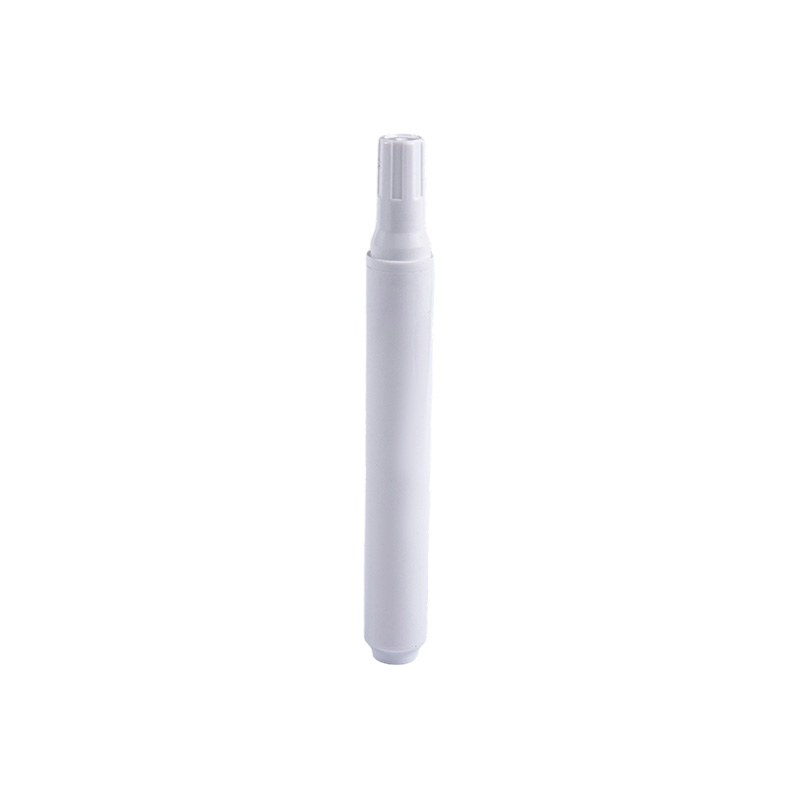
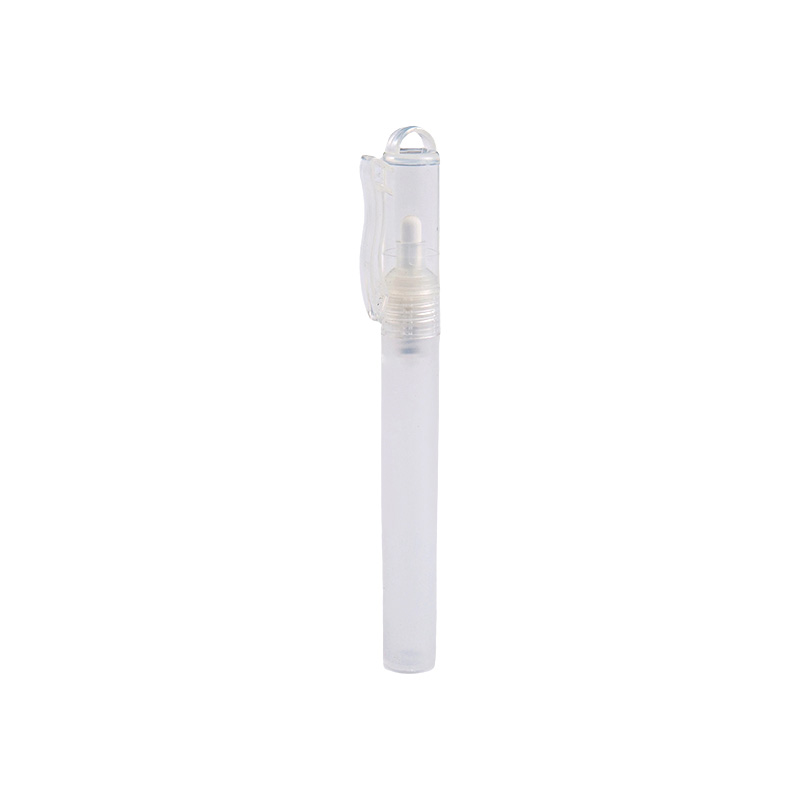
Industry Knowledge: The Stain Remover Pen
The Stain Remover Pen has evolved from a simple convenience item into a technologically sophisticated product. As a leader in the manufacturing of miniature dispensing systems like mini sprayers and perfume pens, Shaoxing Shangyu Haibo Spray Plastic Co., Ltd. (Established in 1995) provides a unique, in-depth perspective on the components, design trends, and production processes that define this essential daily care tool. This article explores the core industry knowledge surrounding the stain remover pen.
1. The Technical Core of a Stain Remover Pen: Precision Control from Pump Structure to Formula Synergy
The effectiveness of a stain remover pen is not just about the cleaning liquid; it's about the precise delivery of that liquid. The pen's pump or valve mechanism is a critical piece of technology, directly impacting user experience and product efficacy.
Key Parameters and Technical Points:
- Pump/Valve Parameters:
- Output Volume: The precise amount of liquid dispensed per press (measured in μL/click), typically controlled between 50-150μL. This ensures sufficient coverage of the stain without waste.
- Seal Integrity: The ability of the mechanism to prevent leakage or evaporation during transport, which is crucial for maintaining product shelf-life and performance.
- Actuation Force & Feel: The required pressure and the tactile feedback of the press, which significantly influence the user's perception of quality.
- Formula Synergy: The chemical compatibility between the pump's materials (e.g., PP, PE) and the stain-removing solution. This prevents degradation, corrosion, or contamination of the formula, ensuring safety and reliability.
2. Portable Cleaner Packaging Trends: Application Extension from "Perfume Pens" to "Stain Remover Pens"
The design principles for portable liquid packaging are converging across different industries. The technology perfected in cosmetic packaging, such as perfume pens, is now being adapted and optimized for cleaning products like stain remover pens, reflecting a major trend in multi-functional, on-the-go solutions.
Key Parameters and Knowledge Points:
- Container Design Parameters:
- Capacity: Common specifications like 3ml, 5ml, and 8ml strike a balance between portability and the number of uses.
- Material Selection: The choice of plastics (e.g., AS for clarity, PP for chemical resistance) impacts transparency, durability, and cost.
- Form Factor: The overall dimensions (length and diameter) are critical for portability, determining if the product can fit into a standard pen case or pocket.
- Application Scenario Extension: Analyzing the shared technologies and distinct requirements when moving from cosmetics (fragrance) to daily chemicals (cleaning agents), such as the need for more robust chemical resistance in the latter.
3. Market Segmentation of Stain Remover Pens: Formulation and Applicator Selection Strategies
A successful stain remover pen is not a one-size-fits-all product. Market segmentation demands tailored solutions for different stain types and fabric sensitivities. This requires a diverse product portfolio, leveraging over 100 varieties of dispensing technologies to meet specific needs.
Key Parameters and Knowledge Points:
- Stain & Fabric Types: Differentiating between oily stains (grease, makeup), water-based stains (coffee, juice), and protein-based stains (blood, milk), as well as fabric types like cotton, synthetics, and blends.
- Applicator Selection Strategy:
- Fiber Tipped Applicator: Ideal for precise application and gentle rubbing on delicate fabrics.
- Rollerball Applicator: Excellent for controlled dispensing on small, localized stains.
- Mini-Spray Applicator: Best for evenly covering a larger area or when deeper penetration of the formula is needed.
- Formula-Packaging Matching: The viscosity of the cleaning formula dictates the required pump structure to ensure smooth, clog-free dispensing.
4. Consumer-Driven Innovation in Stain Remover Pens: Enhancing Convenience with Miniature Pump Design
The core value proposition of a stain remover pen is "instant cleaning." Enhancing this convenience is a primary driver of innovation, with the miniature pump mechanism playing a central role. As specialists in mini sprayers, we focus on how micro-engineering can elevate the user experience.
Key Parameters and Knowledge Points:
- Response Speed: The time lag between pressing the actuator and the liquid appearing. A shorter lag time feels more responsive and professional.
- One-Handed Operation: Ergonomic design that allows a user to easily operate the pen while standing or walking, without needing a stable surface.
- Anti-Mistake Design: Features like a locking cap or a protective pump guard to prevent accidental discharge inside a bag or pocket.
- Visibility: Incorporating a transparent or translucent window into the container, allowing consumers to easily monitor the remaining liquid level.
5. Supply Chain Perspective on Stain Remover Pen Production: Key Quality Control Points from Injection Molding to Liquid Filling
As a comprehensive manufacturer established in 1995, our strength lies in managing the entire production lifecycle. Quality control is not just a final check but an integrated process that ensures every component meets stringent standards.
Key Parameters and Knowledge Points:
- Precision Injection Molding:
- Mold Precision: The tight tolerances of the pump components' molds directly affect the seal integrity and operational lifespan of the final product.
- Material Purity: Using high-purity plastic granules to prevent impurities that could contaminate the product or clog the mechanism.
- Component Assembly:
- Cleanliness Requirements: Assembly is often conducted in clean room environments (e.g., Class 100,000) to prevent dust from entering the pump body.
- Torque Control: Automated systems ensure the bottle and pump are tightened to a specific torque, guaranteeing a secure seal without damaging the threads.
- Liquid Filling:
- Filling Accuracy: The precision of automated filling machines (e.g., with an error margin of ±0.1ml) to ensure dosage consistency.
- Seal Integrity Testing: Final products undergo rigorous negative or positive pressure tests to ensure 100% leak-proof performance before leaving the factory.
FAQ
How do stain remover pens work, and are they safe for all fabrics?
Stain remover pens work by using a combination of surfactants and solvents in a liquid formula. The precision pump or applicator tip delivers this formula directly onto the stain. The surfactants break down and lift the stain particles from the fabric fibers. However, they are not universally safe for all fabrics. It's crucial to check the product label. Most are safe for common fabrics like cotton and polyester, but they should generally be avoided on delicate materials such as silk, wool, and leather. Always perform a spot test on an inconspicuous area first.
What is the difference between a stain remover pen and a portable spray stain remover?
The primary difference lies in the application method and precision. A stain remover pen uses a direct-contact applicator (fiber tip, rollerball) or a micro-pump for targeted, localized treatment, minimizing waste. A portable spray stain remover uses a miniature spray head to disperse a fine mist over a broader area. Pens are ideal for small, fresh stains, while sprays are better for larger spills or when you need to cover a wider surface. The choice depends on the specific use case, with pens offering more precision and sprays offering more coverage.
Can a stain remover pen remove old or set-in stains?
Stain remover pens are most effective on fresh stains that have not yet set into the fabric fibers. The longer a stain remains, the more it bonds with the material, making it significantly harder to remove. While a high-quality pen with a powerful formula might lighten or partially remove an old stain, it is unlikely to eliminate it completely. For set-in stains, pre-soaking the garment and using a full-strength liquid detergent or a specialized paste remover is generally more effective. The pen's role is for immediate, on-the-go intervention.
What should I look for when buying a stain remover pen?
When purchasing a stain remover pen, consider these key factors:
- Effectiveness on Target Stains: Check if the formula is designed for the types of stains you commonly encounter (e.g., oil, coffee, ink).
- Fabric Compatibility: Ensure it's safe for the clothes you wear most often.
- Applicator Type: Choose between a fiber tip for rubbing, a rollerball for control, or a micro-spray for coverage based on your preference.
- Build Quality: A well-made pen from a reputable manufacturer will have a reliable pump that won't leak or dry out, ensuring the product is ready when you need it.
- Portability and Size: Consider if it will comfortably fit in your purse, pocket, or car's glove compartment.
Are the ingredients in stain remover pens toxic?
Reputable manufacturers formulate stain remover pens with ingredients that are effective yet safe for consumer use. The formulas typically contain non-ionic surfactants, solvents, and water. While they are generally low-toxicity, they are still chemical products and should be used as directed. It's important to keep them out of reach of children and pets, avoid contact with eyes, and use them in a well-ventilated area. Always read the product's safety data sheet and ingredient list if you have specific health or allergy concerns.

 English
 Español
 عربى
عربى 中文简体
中文简体