 English
 Español
 عربى
عربى 中文简体
中文简体

Acetone Spray Bottle: Material Compatibility, Pump Selection, and Sizing Guide
Content
- 1 PP Is the Baseline Polymer for Acetone Spray Bottles
- 2 Pump Selection Is Where Most Acetone Bottles Leak or Seize
- 3 Sizing an Acetone Spray Bottle: Capacity and Closure Choices
- 4 Safety, Venting, and Compliance in Acetone Packaging
- 5 Sourcing an Acetone Spray Bottle: What to Specify to Your Supplier
- 6 Frequently Asked Questions
A nail salon technician refills a 30ml spray bottle with acetone-based polish remover for the third time in a month. By day ten, the bottle walls feel soft, the pump sticks, and a hairline crack appears near the neck. That bottle was made from ABS, and acetone is the reason it failed. Polypropylene (PP) has a decades-long track record as the standard container material for ketone solvents. If you are sourcing an acetone spray bottle for nail care, industrial degreasing, or electronics cleaning, the first specification to lock in is the polymer, and the second is the pump.
Definition: An acetone spray bottle is a dispensing container engineered to hold and spray acetone-based solvents without polymer degradation, seal swelling, or pump seizure.
PP Is the Baseline Polymer for Acetone Spray Bottles
Polypropylene is the safest standard choice for acetone contact. Its non-polar molecular structure resists the swelling and stress-cracking that destroy ABS, polystyrene, and polycarbonate containers. HDPE is a close second, but PP offers better dimensional stability for threaded closures and pump fitments.
Acetone Compatibility Scale (0-100)
| Material | Acetone resistance | Recommended use |
| PP | Good | Spray bottles, pumps, closures |
| HDPE | Good | Large containers, bottles |
| PETG | Poor | Avoid for acetone contact |
| ABS | Poor | Avoid for acetone contact |
| PC | Poor | Avoid for acetone contact |
For custom container projects, material selection affects more than chemical resistance. PP grades are available in impact-copolymer and random-copolymer variants, each with different stress-crack behaviors. A supplier's material selection service can match the polymer grade to your exact acetone concentration, fill temperature, and target shelf life.
Pump Selection Is Where Most Acetone Bottles Leak or Seize
The pump, not the bottle, is the component most likely to fail with acetone. Standard lotion pumps often use elastomer seals that swell in ketone solvents, causing the plunger to stick or the seal to leak. A corrosion-resistant pump with solvent-grade seals and stainless steel components eliminates this failure mode.
What to look for in an acetone-compatible pump:
- Seal elastomer: EPDM or FKM (Viton) instead of Buna-N or natural rubber
- Spring material: 304 or 316 stainless steel rather than carbon steel
- Internal valve and stem: PP or PTFE to resist solvent attack
- Priming volume: 0.1-0.2ml per stroke to avoid over-spray
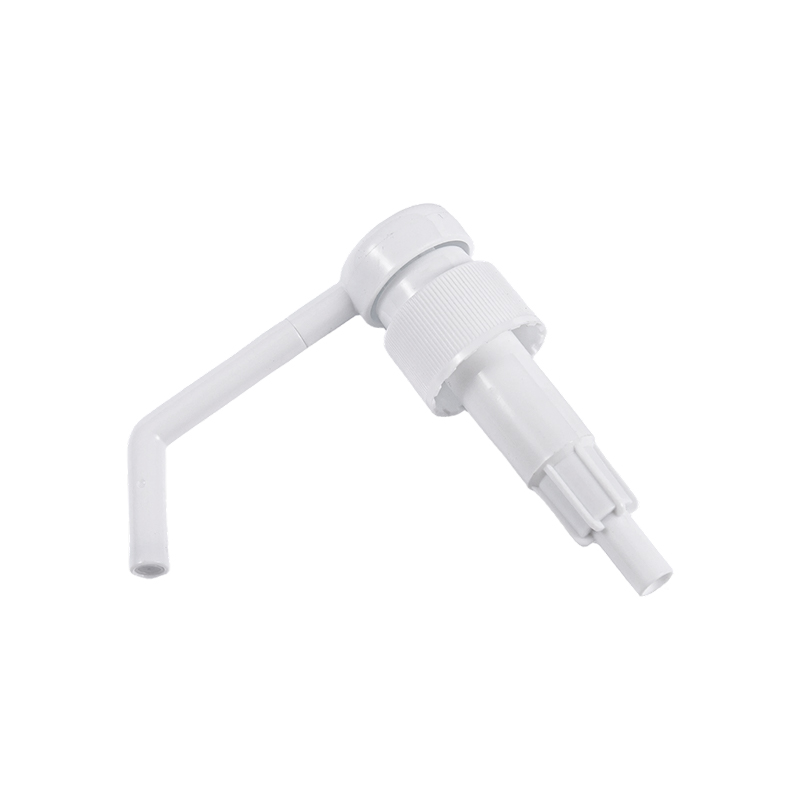 Corrosion-Resistant Chemical Solvent Lotion Pump for AcetoneThis professional-grade pump uses medical-grade PP and stainless steel springs to resist aggressive solvents like acetone. Its sealed valve and solvent-safe elastomers keep the pump primed even after prolonged contact, making it ideal for high-frequency disinfectant dispensing.View Product →
The corrosion-resistant chemical-solvent-resistant lotion pump from Shaoxing Shangyu Haibo Spray Plastic Co., Ltd. is specifically designed to withstand aggressive solvents like acetone. Its sealed valve and solvent-safe elastomers keep the pump primed, even after weeks of acetone contact.
Sizing an Acetone Spray Bottle: Capacity and Closure Choices
Acetone spray bottles fall into three capacity bands: 8-16ml for portable use, 20-50ml for nail care, and 100ml to 2L for industrial applications. Choosing the right band affects both the pump type and the neck finish.
| Application | Capacity | Bottle format | Pump type |
| Nail polish removal | 20-50ml | Standard spray bottle | Nail polish pump |
| Travel carry-on | 8-16ml | Card-style bottle | Fine mist pump |
| Industrial degreasing | 100-500ml | Wide-mouth spray bottle | Corrosion-resistant pump |
| Electronics cleaning | 25-100ml | Precision spray bottle | Metered spray pump |
For nail care professionals, a 24mm or 28mm nail polish pump is the natural fit. It handles acetone-based removers without oxidation or sticking, and the 20-50ml capacity aligns with typical salon consumption.
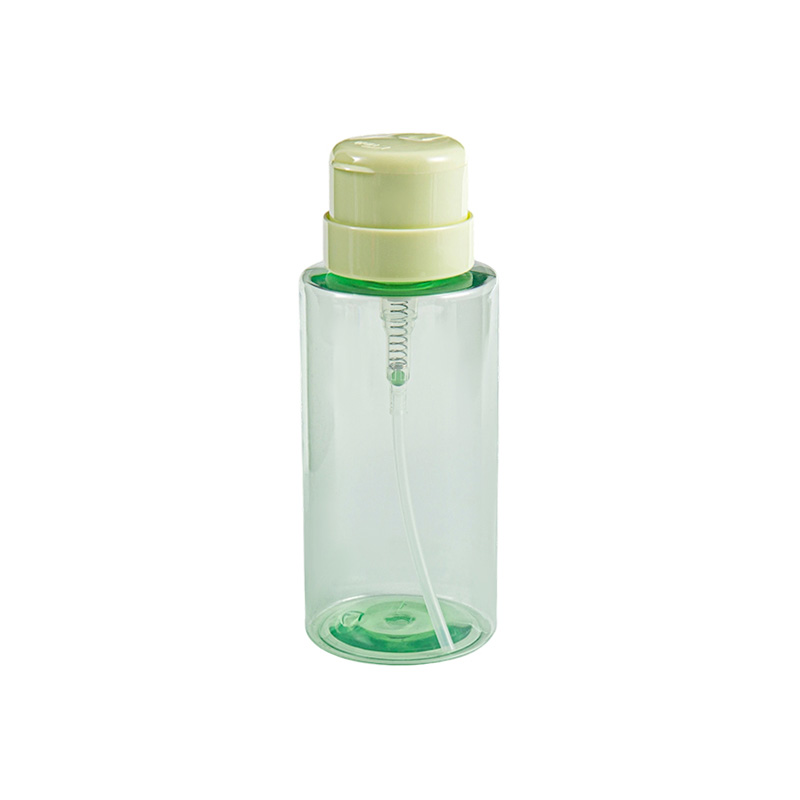 Nail Polish Pump for Acetone Removers in 24mm, 28mm, and 32mmAvailable in multiple calibers to fit common bottles, this pump features industrial-grade durability with over 80,000 cycles. It handles acetone-based removers without oxidation or sticking, and its 20-50ml capacity aligns with typical salon consumption.View Product →
For on-the-go users, a hook portable card spray bottle keeps a small acetone shot in a purse or toolbox, with a hanging hook that prevents accidental activation. The 8-16ml format meets TSA carry-on requirements when the acetone concentration is properly labeled.
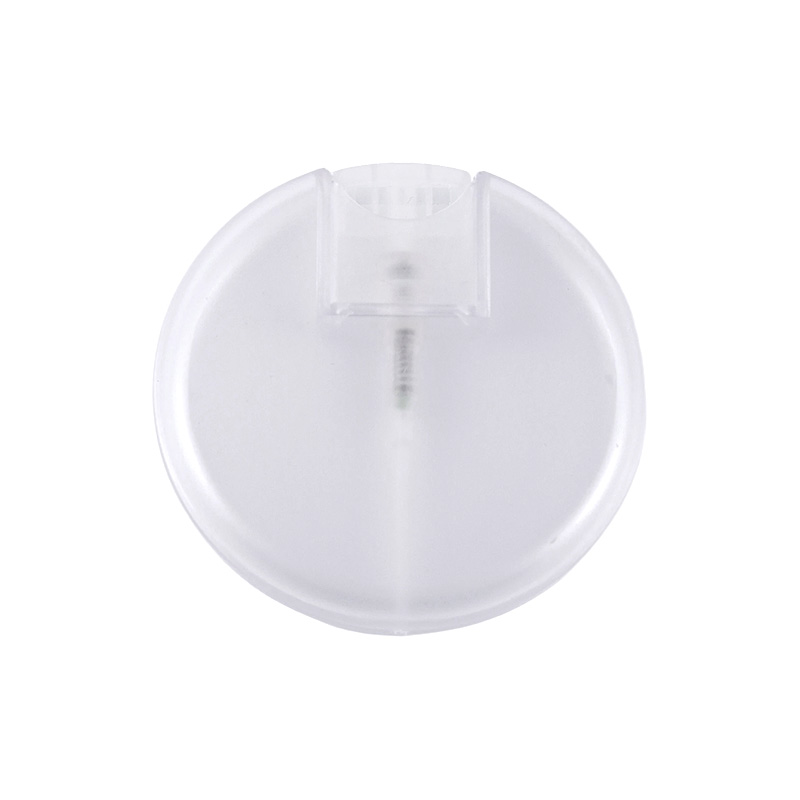 Hook Portable Card Spray Bottle for Solvent CarryingThis ultra-thin 11mm bottle attaches to bags or keychains for easy access. Made of corrosion-resistant PP, it securely holds acetone and other solvents, with a precise 0.7ml pump output. Its compact design prevents accidental activation and meets carry-on requirements.View Product →
Safety, Venting, and Compliance in Acetone Packaging
Acetone is flammable and volatile. A spray bottle must prevent vapor escape, avoid pressure build-up, and meet transport regulations. Every component, from bottle to closure to label, contributes to safe solvent handling.
Fill the bottle to a maximum of 80% capacity to leave headspace for vapor expansion.
Specify a closure with a vapor barrier liner to prevent acetone permeation through the cap.
Clear transport labeling: UN 1090 (acetone) applies for bulk shipments, while GHS pictograms are required for consumer packages.
Train filling-line operators on electrostatic discharge risks. Acetone vapor can ignite in static-rich environments.
During filling, a sealed filling head and a closed-loop venting system reduce vapor exposure in the work area. If you are filling high-volume acetone, a clearly marked pump opening reduces mixing errors on the line.
Sourcing an Acetone Spray Bottle: What to Specify to Your Supplier
When requesting samples, send four specifications in writing: PP grade, pump type, neck finish, and the intended fill volume. This prevents costly back-and-forth with multiple sample rounds.
Acetone spray bottle specification checklist
- Material: PP homopolymer or copolymer with a melt flow index suitable for the selected mold
- Pump: corrosion-resistant, chemical-solvent-resistant type with stainless steel spring
- Neck finish: 20/410, 24/410, or 28/410 matching the pump inlet
- Fill volume and headspace: leave 15-20% free volume for vapor expansion
- QC protocol: 100% leak test on pump priming, plus a 24-hour acetone soak test on the bottle
Established manufacturers can produce tooled bottles at volumes above 50,000 units, with sample requests handled by the sales team. Ask your supplier for material certificates (REACH and RoHS) and ensure the pump's test data covers acetone exposure.
Frequently Asked Questions
Can acetone be stored in a plastic spray bottle?
Yes, if the bottle and pump are made from PP or HDPE. Polycarbonate, ABS, and PETG bottles should not be used for acetone because they soften, craze, or crack within weeks of contact.
What type of plastic is safe for acetone?
Polypropylene (PP) and high-density polyethylene (HDPE) are the commonly available plastics with acceptable acetone resistance. PP is preferred for spray bottles because it retains dimensional stability under threaded closures. PTFE-lined containers are used for long-term chemical storage.
What pump is best for acetone?
A corrosion-resistant, chemical-solvent-resistant pump with a stainless steel spring and EPDM or FKM seals is the best choice. Nail polish pumps are also formulated for acetone-based solvents and are available in 24mm, 28mm, and 32mm calibers.
How long can acetone be stored in a PP spray bottle?
Under sealed, dark, room-temperature conditions, acetone can be stored in a well-closed PP bottle for 12-24 months. Prompt use after opening is recommended to limit evaporation and air ingress.
-
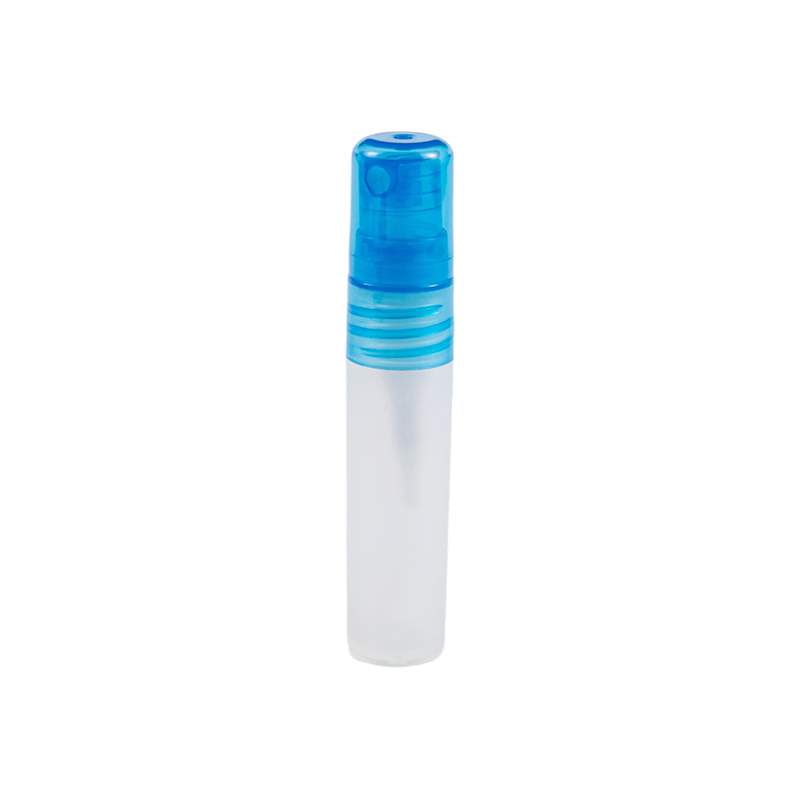 Material PP Height 87/77/73mm Diameter 14/13/12mm Capacity 5/4/3ml Dispensing Volume 0.07 ± 0.01ml
-
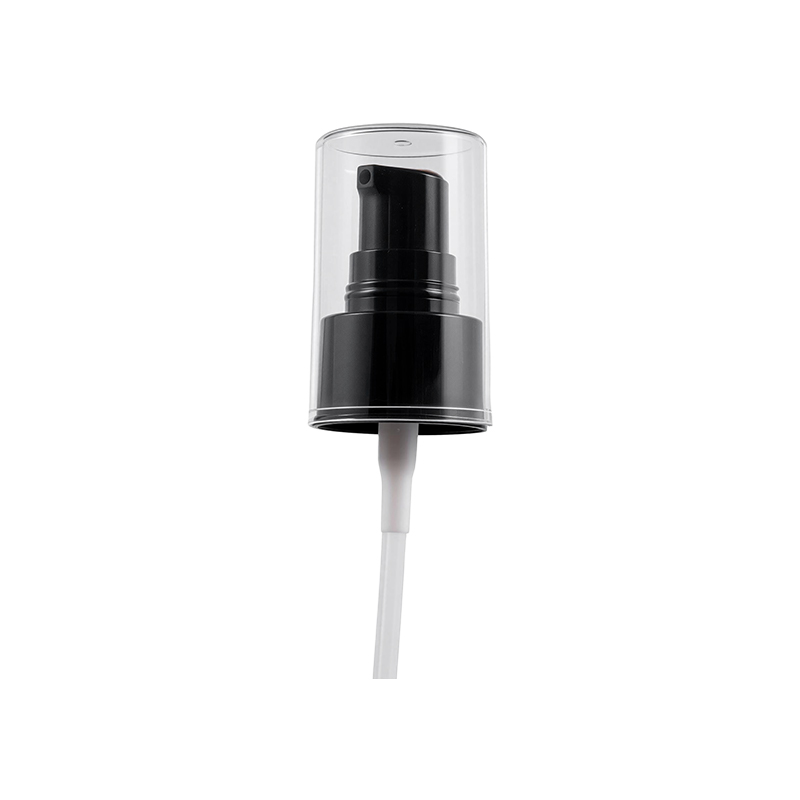 Spray pump with built-in spring pump element
-
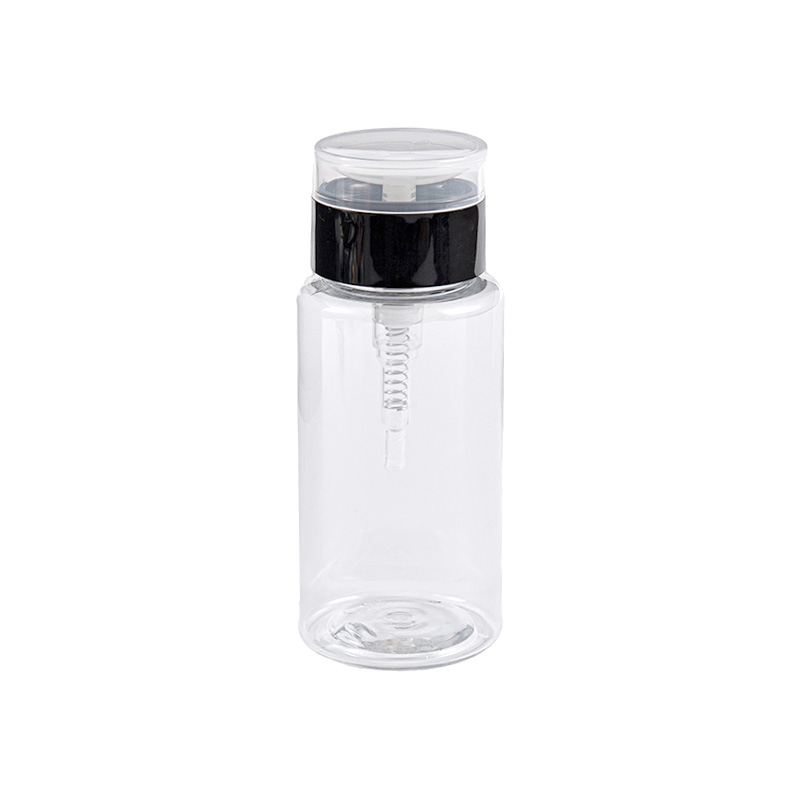 28MM 32MM Caliber Nail Polish Pump
-
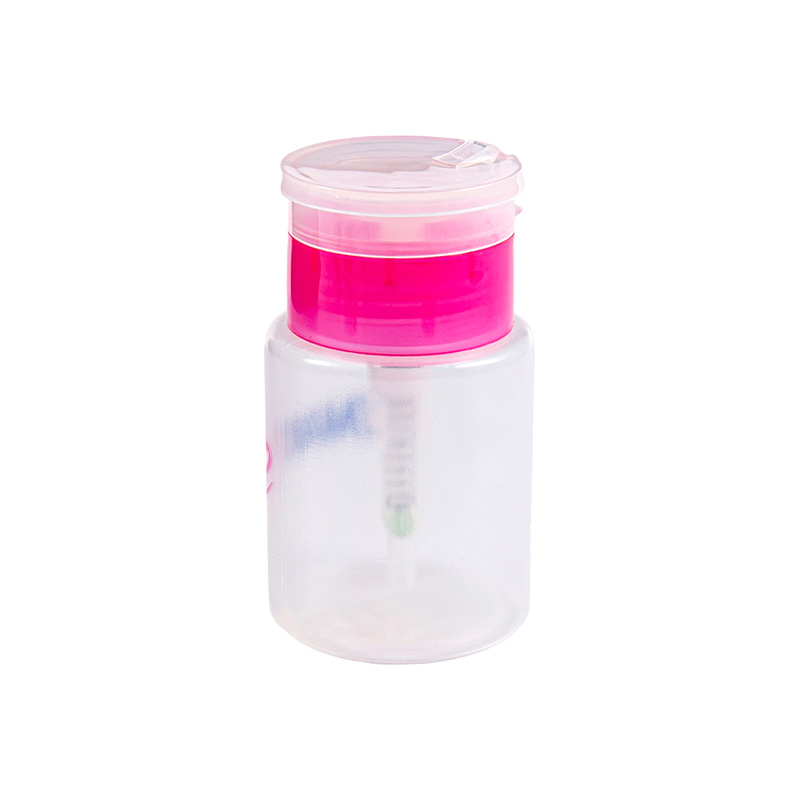 28MM 32MM Caliber Nail Polish Pump
-
 Lotion Pump (corrosion-resistant, chemical solvent-resistant type)
-
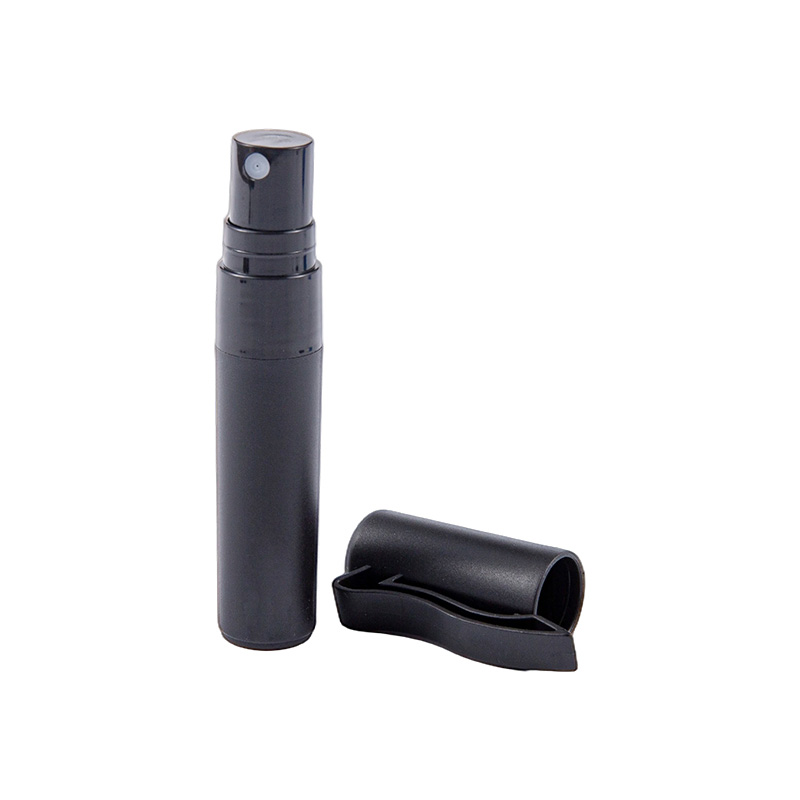 Pen Clip PP Perfume Spray Tube Set (8-15ml)





All rights reserved © Shaoxing Shangyu Haibo Spray Plastic Co.,Ltd.Privacy OEM/ODM Spray Plastic Bottle & Pump Manufacturers
浙ICP备2021023122号