 English
 Español
 عربى
عربى 中文简体
中文简体

Engineering Chemical Stability: How Advanced FDA-Approved Materials Define the Safety of a Modern PORTABLE PLASTIC BOTTLE
Content
In the global beverage container industry, the transition from simple utility to high-performance engineering has made material selection the cornerstone of product safety. For B2B procurement managers and product developers, a portable plastic bottle must do more than just hold liquid; it must maintain molecular integrity under varying thermal stresses. With over two decades of manufacturing expertise, our company integrates rigorous scientific testing with efficient supply chain management to deliver containers that exceed international safety benchmarks. Understanding the chemical stability of polymers is essential for preventing the migration of volatile organic compounds (VOCs) into beverages, ensuring a premium user experience.
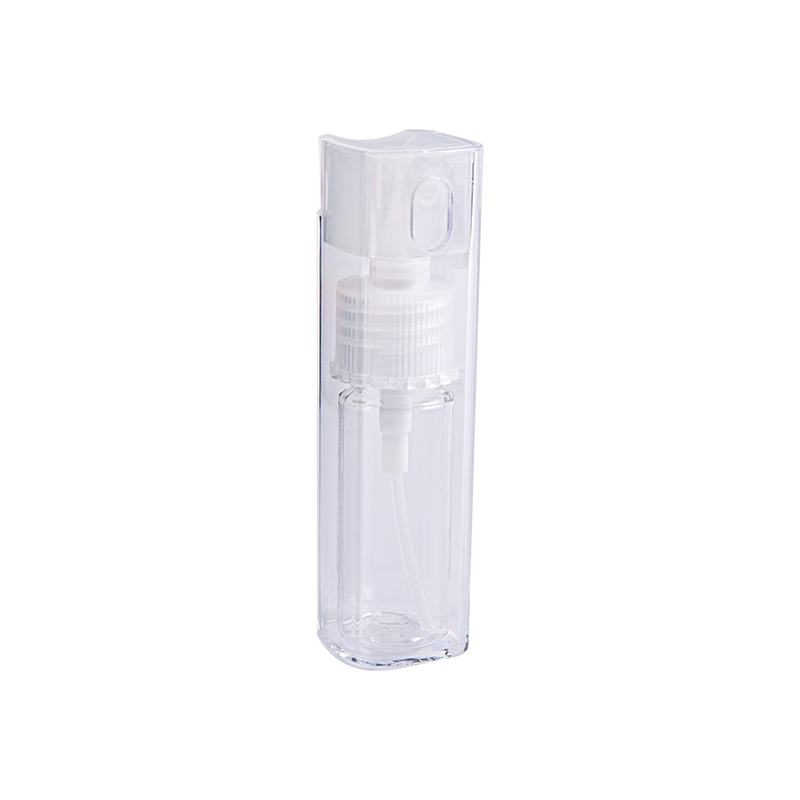
1. Thermal Stability of Polymers: Tritan vs. Conventional Plastics
When engineering a lightweight Tritan portable plastic bottle with leak-proof flip top lid, the primary focus is on hydrolytic stability. Tritan copolyester is engineered to resist chemical breakdown even when exposed to high temperatures and detergents, unlike traditional Polycarbonate (PC) which may release Bisphenol-A (BPA). Technically, Tritan maintains a high Heat Deflection Temperature (HDT), allowing it to withstand dishwasher cycles and boiling water without losing structural clarity or leaching harmful monomers. While standard Polypropylene (PP) is safe, it lacks the impact resistance and optical transparency required for high-end fitness applications.
| Material Property | Standard Polypropylene (PP) | Tritan Copolyester |
| Optical Clarity | Translucent / Cloudy | Glass-like Transparency |
| Heat Deflection Temperature | Approximately 100°C | Up to 115°C - 120°C |
| Impact Resistance | Moderate | Superior (High-Energy Absorption) |
2. 2026 Global Compliance: PCR Materials and Sustainability
The regulatory landscape for food-contact materials is tightening globally. According to the latest report by the Association of Plastic Recyclers (APR) regarding the 2025-2026 circular economy goals, there is a technical surge in the adoption of food-grade recycled resins to meet decarbonization targets. This has led to the increased production of the sustainable PCR material portable plastic bottle for corporate eco-gifting. These bottles utilize Post-Consumer Recycled (PCR) resins that have undergone deep-cleansing super-cleaning processes to meet FDA purity standards, allowing brands to reduce their carbon footprint without compromising the chemical safety of the container.
Source: The Association of Plastic Recyclers - Market Development and Sustainability Reports
Furthermore, the World Packaging Organisation (WPO) highlighted in their 2024 technical brief that the shift toward "Design for Recycling" is no longer optional but a functional requirement for global market entry. Our manufacturing lines are optimized to process these advanced resins, ensuring that recycled content maintains the same tensile strength and chemical inertness as virgin materials.
3. Specialized Design for Health and Functional Branding
For niche markets, chemical purity is the baseline for brand trust. Providing a BPA-free portable plastic bottle wholesale for outdoor fitness brands requires strict adherence to ISO 9001 and ISO 13485 (where medical-grade purity is needed) management systems. Beyond the material itself, the functional interaction is crucial. An ergonomic portable plastic bottle with time marker for hydration tracking utilizes non-toxic, high-adhesion inks that are UV-cured to ensure that time markers do not peel or release chemical particulates into the hand or environment during high-temperature washing or prolonged sunlight exposure.
4. Mechanical Resilience in Rugged Environments
Durability in the field is a function of polymer chain flexibility. An impact-resistant portable plastic bottle for rugged hiking and travel is typically designed with reinforced base geometries and stress-distribution curves. While standard PET bottles may crack under sudden impact or cold-weather stress, advanced engineering polymers maintain ductility at sub-zero temperatures. This resilience is verified through rigorous drop-testing from heights of 1.5 meters onto concrete, ensuring the seal remains intact and the vessel remains leak-proof.
| Stress Factor | Standard PET / PE | Impact-Resistant Engineered Polymers |
| Low-Temperature Ductility | Brittle (Prone to cracking) | Flexible (Maintains Integrity) |
| Drop Test Performance | High Failure Rate | Passes 1.5m Multiple Drop Test |
| Stress Whitening | Occurs easily under pressure | Resistant to permanent deformation |
Conclusion: The Convergence of Safety and Engineering
Ultimately, the chemical stability of a portable plastic bottle is a matter of precise material science. By selecting FDA-approved Tritan or certified PCR resins, and validating them through mechanical stress tests, we provide a product that protects both the consumer and the brand's reputation. Our commitment to innovation ensures that our B2B partners receive the most advanced, safe, and durable hydration solutions available in the 2026 market.
Frequently Asked Questions (FAQ)
- 1. Are Tritan bottles truly safe for hot coffee or tea?
Yes. Tritan is specifically engineered for high-heat applications and is tested to remain chemically stable and BPA/BPS-free at temperatures up to its deflection point. - 2. How does PCR material differ from standard recycled plastic?
PCR (Post-Consumer Recycled) material specifically comes from products used by consumers. Our PCR is "food-grade," meaning it has been processed to remove all contaminants to meet FDA safety levels. - 3. Does "BPA-Free" also mean "BPS-Free"?
In our high-performance Tritan range, yes. We ensure that no bisphenol analogues are used in the polymerization process. - 4. Can ergonomic time markers withstand commercial dishwashers?
Our markers are applied using industrial-grade UV-curing technology, making them resistant to the high heat and caustic detergents found in commercial washing systems. - 5. What makes a bottle "impact-resistant" for hiking?
It is a combination of the material's shore hardness (flexibility) and the wall thickness design, which allows the bottle to absorb kinetic energy without fracturing.





All rights reserved © Shaoxing Shangyu Haibo Spray Plastic Co.,Ltd.Privacy OEM/ODM Spray Plastic Bottle & Pump Manufacturers
浙ICP备2021023122号