 English
 Español
 عربى
عربى 中文简体
中文简体

How to Choose the Right COSMETIC SPRAY PUMP?
Content
- 1 Introduction: Why the COSMETIC SPRAY PUMP Matters in Modern Cosmetics
- 2 Main Types of the COSMETIC SPRAY PUMP
- 3 How the COSMETIC SPRAY PUMP Works
- 4 Choosing the Right COSMETIC SPRAY PUMP for Your Product
- 5 Application Scenarios of the COSMETIC SPRAY PUMP
- 6 Future Trends of the COSMETIC SPRAY PUMP
- 7 Conclusion: The COSMETIC SPRAY PUMP Is the Most Underestimated Part of the User Experience
Introduction: Why the COSMETIC SPRAY PUMP Matters in Modern Cosmetics
In today’s cosmetics industry, packaging is no longer just a simple exterior or a protective container for formulas. With growing consumer demands for better user experience, portability, hygiene, and sustainability, the COSMETIC SPRAY PUMP has become an essential component across a vast range of beauty and personal care products. It is no longer merely a convenient device that “sprays,” but a key factor defining brand experience, product safety, and formula stability.
From skincare mists and toner sprays to makeup setting sprays, haircare sprays, body mists, and even certain home-care formulations, the presence of the COSMETIC SPRAY PUMP is nearly universal. Technological progress has expanded its structure from basic mechanical pumps to pressurized versions, airless pump bottle systems, and multifunctional pressure pumps, enabling more precise and diverse spray performance.
As consumer expectations rise, spray fineness, uniformity, output volume, spray angle, and tactile feedback during pressing have become major criteria for evaluating a product. Therefore, choosing the right COSMETIC SPRAY PUMP not only affects first impressions, but also determines competitive edge and long-term user satisfaction.
This article provides a comprehensive exploration of the COSMETIC SPRAY PUMP, including its major types, internal mechanisms, selection principles, common application scenarios, and future development trends. Related industry terms — such as fine mist sprayer, plastic lotion pump, airless pump bottle, trigger spray head, and refillable cosmetic container — will be integrated throughout.
Main Types of the COSMETIC SPRAY PUMP
The COSMETIC SPRAY PUMP comes in various forms, each designed to match specific formulas and usage scenarios. Below are the most relevant types widely used in the cosmetics field.
Fine Mist Sprayer
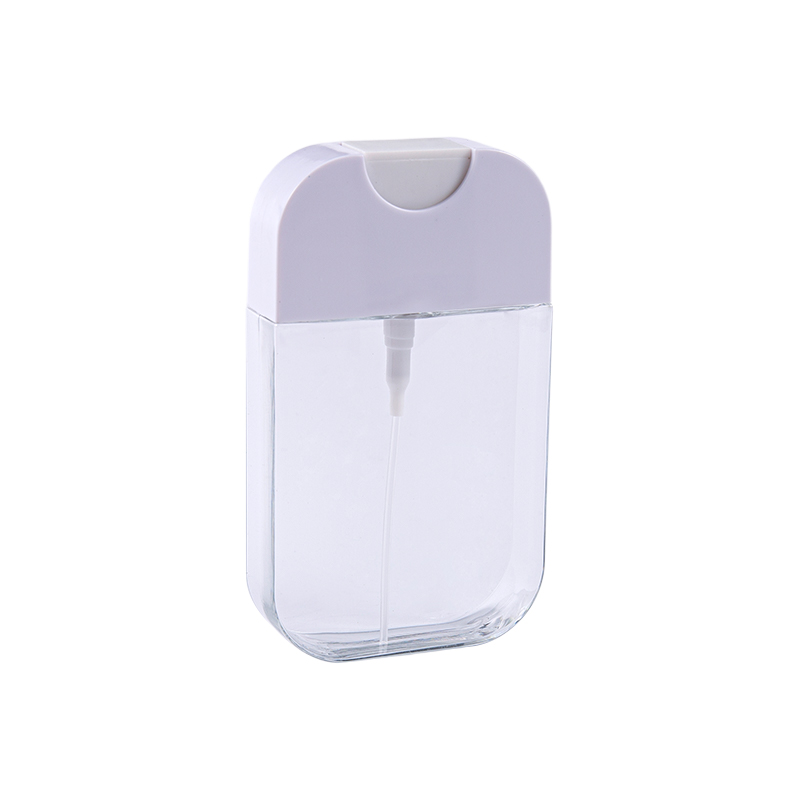
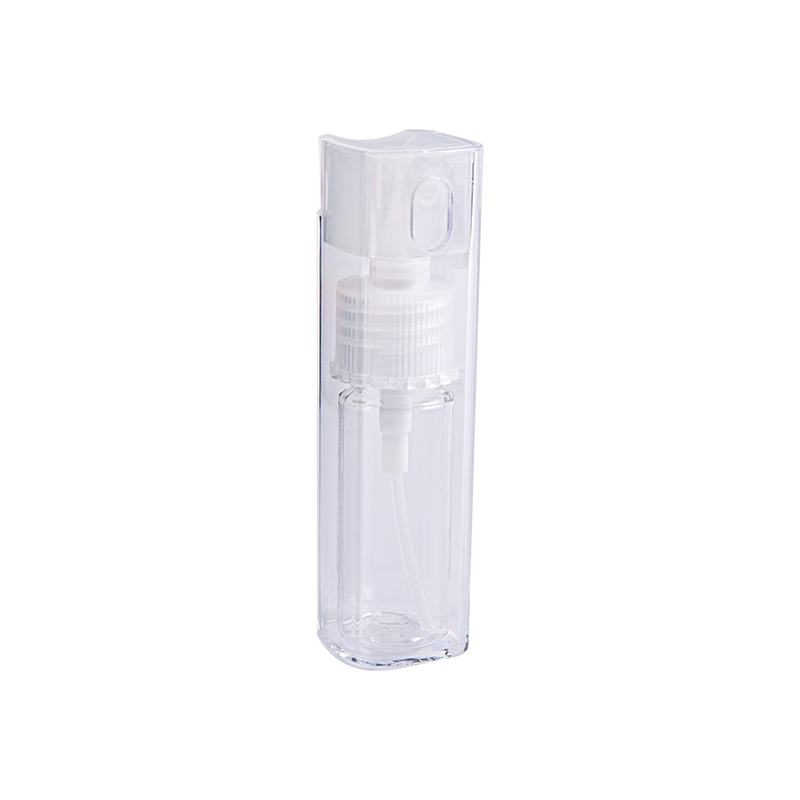
The fine mist sprayer is one of the most widely used spray systems, commonly applied in toners, facial mists, lightweight haircare sprays, and certain makeup products. Its hallmark is its ability to generate exceptionally fine, evenly distributed mist.
Characteristics and Advantages
This sprayer uses a micro-nozzle combined with a swirl chamber, forcing the liquid into a fine mist through high-speed rotation. It offers gentle coverage, enhances comfort during application, and prevents dripping, making it popular among cosmetic brands.
Relation to the COSMETIC SPRAY PUMP
Essentially, the fine mist sprayer is a specialized form of the COSMETIC SPRAY PUMP. Due to its widespread application and unique atomization features, it is often discussed separately. Many products intentionally include both terms — “COSMETIC SPRAY PUMP” and “fine mist sprayer” — for broader categorization and clarity.
Plastic Lotion Pump
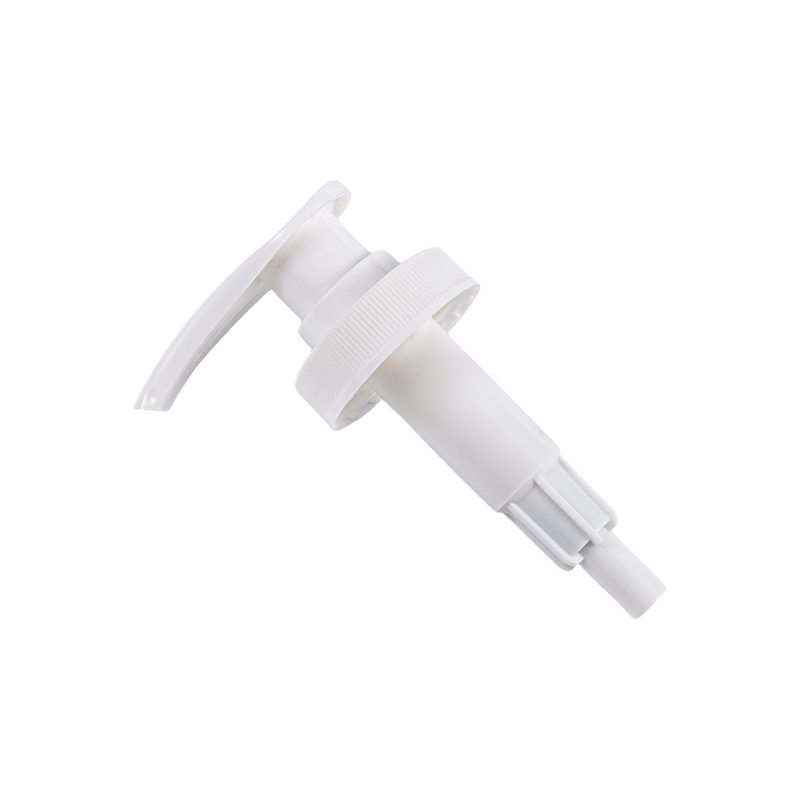
While the plastic lotion pump is not a spray pump, it is frequently grouped with the COSMETIC SPRAY PUMP because both are key members of the “pump dispensing” family. Lotion pumps are essential for medium to high-viscosity liquids such as lotions, creams, gels, and certain haircare products.
In product development, choosing between a lotion pump and a spray pump is often critical. If the formula is fluid and watery, a COSMETIC SPRAY PUMP works well. For thicker formulations, a lotion pump becomes necessary to prevent clogging and ensure stable dispensing.
Trigger Spray Head
The trigger spray head is frequently found in large-volume products like haircare sprays, home-cleaning sprays, body sprays, and room fresheners. Compared to traditional spray pumps, it allows for:
- Greater output volume
- Multiple spray modes (mist, stream, foam)
- More ergonomic, labor-saving operation
While not a classic COSMETIC SPRAY PUMP, it is considered an “advanced spray system,” especially in professional haircare or bodycare segments.
Airless Pump Bottle
The airless pump bottle has grown immensely popular due to its airtight design, which protects formulations from oxidation and contamination. It often incorporates a spray pump mechanism, making it compatible with the COSMETIC SPRAY PUMP.
This type is ideal for formulas containing sensitive active ingredients, such as high-potency vitamin C, hyaluronic acid, or anti-aging complexes. The airless system ensures consistent spray performance until the bottle is empty.
Refillable Cosmetic Container
With sustainability becoming a major industry trend, many brands now adopt refillable packaging. The refillable cosmetic container requires a durable, easy-to-clean, long-lasting spray pump. This trend increases demands on the COSMETIC SPRAY PUMP for structural strength and modular replacement.
How the COSMETIC SPRAY PUMP Works
Despite its simple appearance, the COSMETIC SPRAY PUMP contains a precise mechanical system. Key components include:
- Actuator
- Nozzle
- Closure
- Pump housing
- Spring
- Piston
- Dip tube
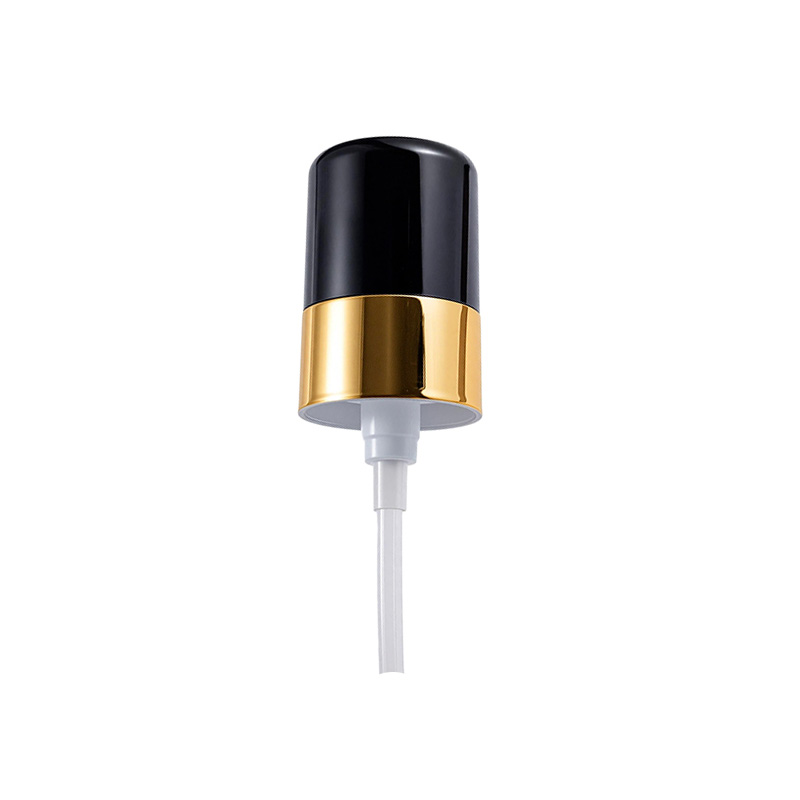
The actuator determines spray angle and tactile feedback. The nozzle governs atomization quality. The piston and pump housing work together to create pressure that pushes liquid upward through the dip tube and out through the nozzle. The spring ensures rebound strength and consistent performance.
Choosing the Right COSMETIC SPRAY PUMP for Your Product
Selecting the right pump requires evaluating formula viscosity, spray expectations, bottle material, consumer habits, and sustainability goals. Thin water-based formulas suit fine mist sprays. Higher-viscosity products require pumps with wider nozzle diameters or stronger compression systems.
For large-area applications such as haircare or body sprays, a trigger spray head provides better coverage. Products containing actives prone to oxidation should pair with an airless pump bottle to enhance stability.
Sustainability targets further influence design choices. Many brands now prefer pumps compatible with refillable cosmetic container systems, demanding greater durability and ease of maintenance from COSMETIC SPRAY PUMP manufacturers.
Application Scenarios of the COSMETIC SPRAY PUMP
Different product categories require distinct types of COSMETIC SPRAY PUMP systems. Toners and setting sprays benefit from ultra-fine misting. Haircare products often require stronger and wider-angle spraying. Body sprays require continuous and broad coverage.
In makeup, setting sprays typically contain film-forming agents that risk clogging nozzles. For these formulas, the pump must balance fine atomization with clog resistance.
In high-end skincare, pairing a COSMETIC SPRAY PUMP with an airless pump bottle ensures maximum formula protection, precision dispensing, and long-term consistency.
Future Trends of the COSMETIC SPRAY PUMP
With environmental expectations rising globally, the industry is shifting toward mono-material designs to enhance recyclability. Manufacturers are actively developing pumps without metal springs or multi-plastic structures. Refillable systems are becoming mainstream, increasing the need for durable, easily disassembled pumps.
Atomization technology is also evolving. Micro-porous nozzles, nano-structured channels, and hybrid airflow systems will likely define the next generation of ultra-fine spray pumps.
Ergonomics and sensory experience improvements — such as smoother pressing, noiseless springs, anti-leak functions, and travel-proof designs — are also becoming core features in product differentiation.
Conclusion: The COSMETIC SPRAY PUMP Is the Most Underestimated Part of the User Experience
A high-quality COSMETIC SPRAY PUMP can elevate the entire user experience, shaping how consumers perceive the product from the very first spray. Problems such as uneven misting, clogging, or leaking can instantly damage consumer confidence.
From formula compatibility to sustainability, from tactile experience to spray precision, every detail matters. The COSMETIC SPRAY PUMP is not merely a small accessory — it is a crucial component that conveys product quality and brand value.
As technology evolves, the COSMETIC SPRAY PUMP will continue to advance, becoming more sustainable, more precise, and more user-centered, maintaining its essential role in the cosmetic industry's future.





All rights reserved © Shaoxing Shangyu Haibo Spray Plastic Co.,Ltd.Privacy OEM/ODM Spray Plastic Bottle & Pump Manufacturers
浙ICP备2021023122号