 English
 Español
 عربى
 中文简体


Solvent Resistant Spray Bottle Specification: Materials, Seals, and Testing
Content
Packaging engineering note
A solvent resistant spray bottle is a system, not a resin grade. In solvent-service packaging, a 2 mm gasket, a 3 mm dip tube, or a spring can fail before the 1 L bottle body shows any visible change. The specification has to cover every wetted material, not only the container wall.
ASTM D543 and ISO 175 provide the baseline for plastic compatibility testing. They do not replace a filled-bottle trial with the final formula. A bottle that passes a 24-hour spot test can still soften over a 30-day shelf life, especially when the formula contains acetone, ethyl acetate, toluene, or a chlorinated solvent.
Solvent resistance is a contact-time and concentration claim. Ask for the test temperature, soak duration, and acceptance criteria behind it.
What Makes a Spray Bottle Solvent Resistant?
A solvent resistant spray bottle combines a compatible resin, a solvent-rated seal, an inert dip tube, and a pump or valve that keeps prime after repeated exposure. Each part must be qualified against the same formula.
A useful working definition is this: a solvent resistant spray bottle maintains its dimensions, closure torque, spray pattern, and leak integrity after a defined immersion or filled-pack exposure to a named solvent at a stated concentration and temperature. The claim should name the solvent, not just say chemical resistant.
Definition: Solvent resistance is the ability of the complete dispensing package to resist swelling, extraction, stress cracking, permeation, and loss of function in a specific chemical environment.
| Resin | Useful against | Check carefully | Practical note |
| PP | Alcohols, dilute acids, bases | Aromatic and chlorinated solvents | Common for alcohol sanitizers and cosmetic mists; qualify the seal separately. |
| HDPE | Alcohols, esters, many hydrocarbons | Strong oxidizers, some aromatics | Good for hydrocarbon-rich formulas; opaque walls can hide permeation. |
| PETG | Alcohols, aqueous solutions | Ketones, chlorinated solvents | Offers clarity; avoid acetone and MEK service. |
| ABS | Aqueous and mild cosmetic formulas | Ketones, esters, aromatics | Useful for appearance, not aggressive solvent contact. |
| PA or POM | Hydrocarbons, pump components | Strong acids, phenols | Often better for internal parts than for the bottle body. |
No resin is solvent proof. PP is common for alcohol-based sanitizers and cosmetic mists, while HDPE is often selected for hydrocarbon-rich formulas. PETG gives clarity but is a poor choice for ketones. ABS should be reserved for low-aggression formulas or non-wetted trim.
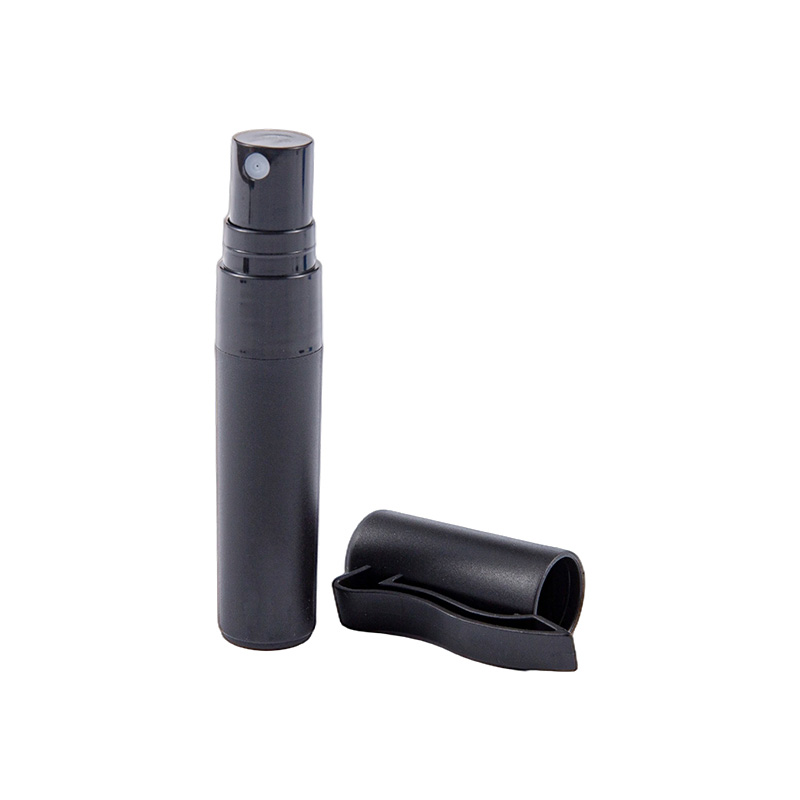
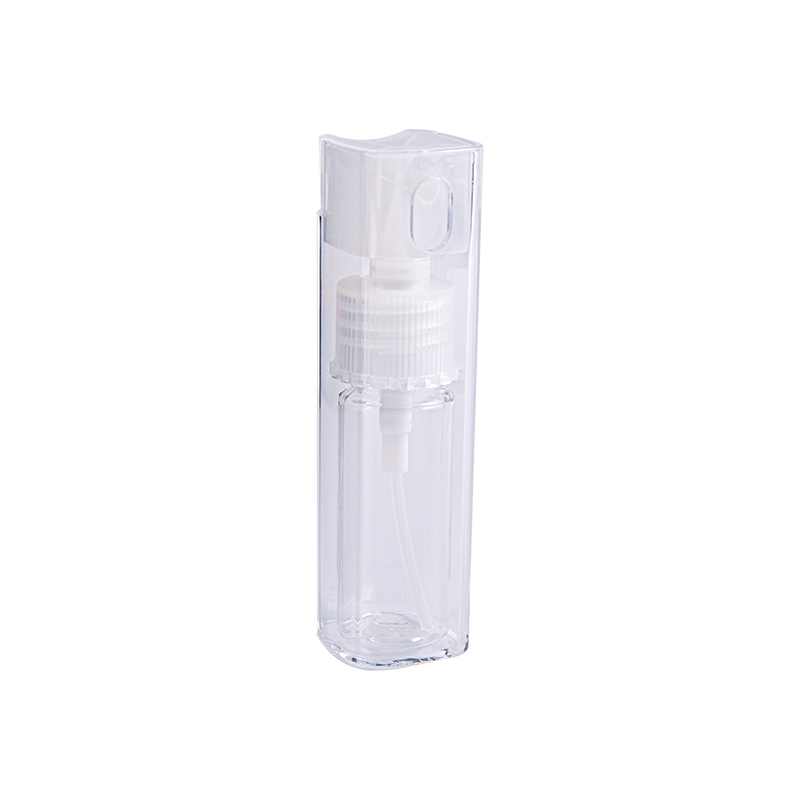 Multi-Material Precision Spray Bottle SeriesCompare PET or glass inner bottles, ABS shells, and 10–40 ml formats for controlled micro-dispensing when matching a pack to formulation and closure stress.View Product →
A resin that passes a 24-hour spot test can still fail a 30-day filled-pack test. The difference is stress: a tightened closure, a compressed gasket, and a full bottle all accelerate attack.
Start With the Solvent, Not the Bottle
The first specification decision is the solvent family, concentration, and contact time, because a 70% ethanol formula and a 100% acetone formula require different resins, seals, and test durations.
- Alcohols: Ethanol and isopropanol are usually manageable in PP or HDPE, but they can extract colorants and attack some ABS and PETG grades.
- Aromatic hydrocarbons: Toluene and xylene demand a resin and seal review; PP is a weak default for aromatic service.
- Ketones: Acetone and MEK attack PETG and ABS quickly; standard polyolefins need a short contact-time check.
- Esters: Ethyl acetate can swell ABS and soften some PETG; HDPE is often a safer starting point.
- Chlorinated solvents: These usually require fluoropolymer wetted parts, not a standard plastic spray bottle.
Compatibility is not the same as permeation resistance. A bottle can resist visible attack while still losing weight, changing odor, or allowing solvent vapor through the wall.
Surface tension of common solvents, mN/m at 20 C
Lower surface tension values mean the liquid wets threads and wicks through gaps more readily. Isopropanol at 21.7 mN/m will find a dry thread path faster than water at 72.8 mN/m. That is why a solvent-resistant bottle needs a liner and closure design, not only a thicker wall.
A written material selection review should connect the formula to the resin, liner, and pump.
The Wetted Path: Where Solvent-Resistant Spray Bottles Fail
The seal, dip tube, spring, and valve are the first components to check in a solvent-service spray bottle; the bottle body is only one part of the wetted path.
- Gasket swell: EPDM and nitrile can swell in aggressive solvents; FKM, FFKM, or PTFE-faced seals are common upgrades. Use ASTM D471 data for the elastomer.
- Dip tube softening: LDPE may soften or collapse; HDPE, PP, or FEP may be needed for ketones and esters.
- Spring corrosion: Plated steel is not a solvent-service default; 316 stainless steel or a solvent-rated polymer spring may be required.
- Closure and vent: Solvent vapor can build pressure in the headspace; the liner and vent path must be reviewed together.
- EPDM or nitrile gasket
- LDPE dip tube
- Plated steel spring
- Water-based validation
- FKM or PTFE-faced seal
- HDPE, PP, or FEP dip tube
- 316 stainless or polymer spring
- Filled-pack test in final formula
A 2 mm gasket can take a 1 L bottle out of service; specify the elastomer, not just the bottle.
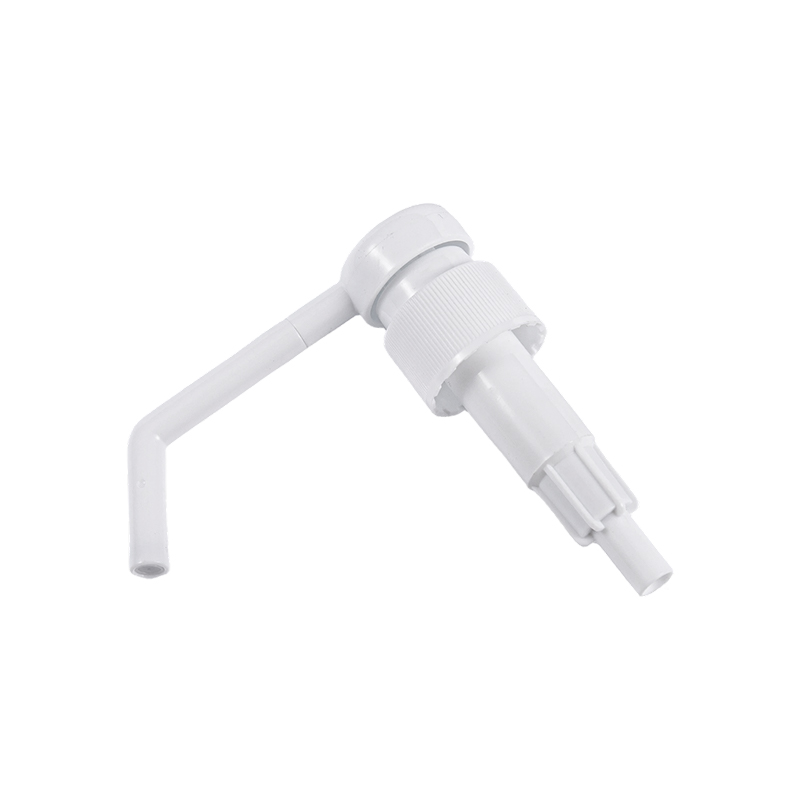 Corrosion-Resistant Lotion Pump for DisinfectantsReview medical-grade PP construction with 304H or 316 stainless steel springs and 1–3 cc output options for high-frequency disinfectant dispensing.View Product →
Five Tests That Reveal Real Performance
A 7-day immersion screen at 23 C and 40 C, followed by a 30-day filled-bottle test, is more predictive than a data sheet that says excellent.
Use ASTM D543 or ISO 175 forplastic compatibility, and ASTM D471 for elastomer swell. Record mass change, dimensional change, hardness, torque, and spray function before and after exposure.
- 7-day immersion at 23 C: Screen resin and seal candidates for mass change, swelling, and surface softening.
- 7-day immersion at 40 C: Accelerate attack from ketones, esters, and aromatic solvents.
- 30-day filled-bottle storage at 40 C: Check leak path, closure torque, dip tube stiffness, and spray pattern.
- Drop and transit test: Condition samples with solvent, then run an ISTA 3A transit simulation and a filled-bottle drop.
- Actuation and prime test: Confirm dose consistency and re-prime behavior after simulated use.
The 40 C test matters because a formula that looks stable on the filling line can swell a seal after two weeks in a warehouse.
Sourcing and Customization Notes for B2B Buyers
A workable supplier brief names the solvent, concentration, contact time, fill volume, closure torque, and target markets before samples are molded.
Shaoxing Shangyu Haibo Spray Plastic Co., Ltd., founded in 1995, supplies spray bottles, card spray bottles, lotion pumps, and perfume tubes from Shangyu, Zhejiang, about 35 km from Ningbo port. Its published range includes PP, ABS, and PETG card spray bottles and a corrosion-resistant chemical solvent-resistant lotion pump for aggressive formulas.
- Solvent name, concentration, pH, and water content
- Fill volume, headspace, and target shelf life
- Contact time and maximum storage temperature
- Closure torque, liner preference, and application method
- Target markets, labeling, and end-of-life requirements
Ask for a filled-pack sample in the final solvent, not a water-filled sample. A water fill will not reveal seal swell, stress cracking, or torque loss.
Use the supplier's packaging team to confirm resin, seal, and pump options before tooling.
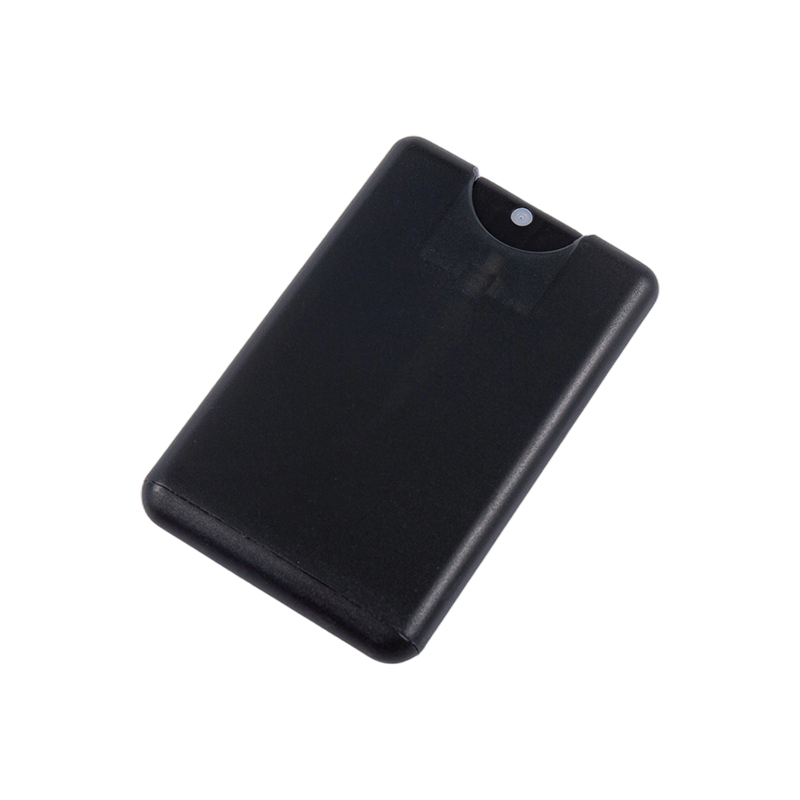
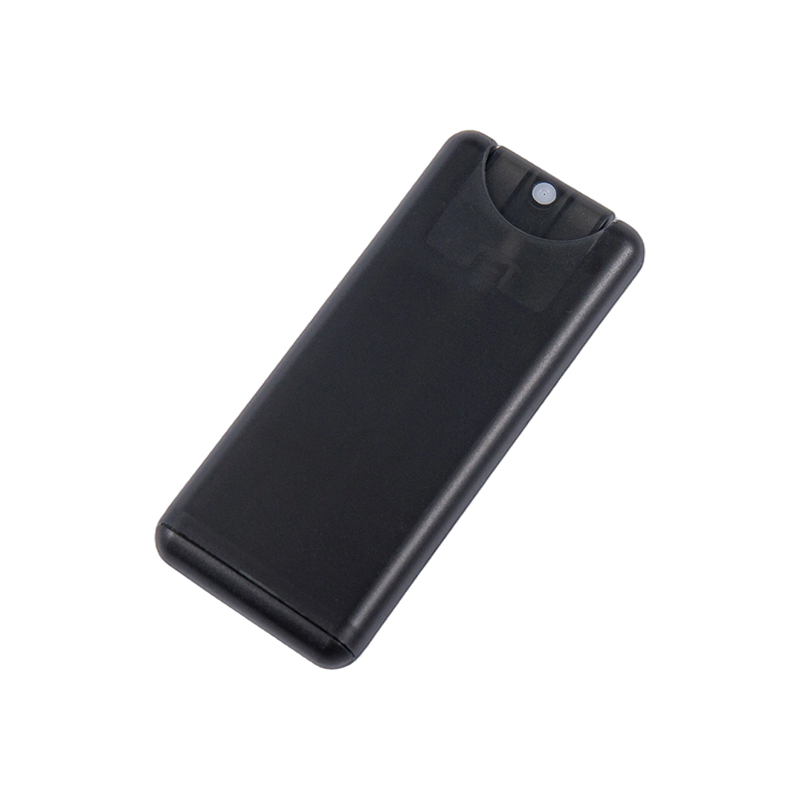 Ultra-Thin Portable PP Spray BottleAssess a 10–16 ml portable PP bottle for perfume, alcohol, or oral spray, with 11 mm thickness and listed 0.07 ml output.View Product →
Practical Answers for Packaging Teams
The project moves faster when the solvent, seal, and acceptance tests are fixed before the first sample is molded.
Is PP or HDPE better for a solvent-resistant spray bottle?
Neither resin is universally better. PP is often suitable for alcohols and aqueous formulas, while HDPE is often a stronger starting point for hydrocarbon-rich formulas. Confirm the choice with ASTM D543 or ISO 175 data and a filled-pack test in the final formula.
How long should compatibility testing run?
Run a 7-day immersion screen at 23 C and 40 C, then a 30-day filled-bottle test at 40 C. For a 24-month shelf life or a ketone-based formula, extend the filled-pack test and inspect closure torque, mass change, and spray function at each interval.
Can a standard spray bottle be upgraded for solvent service?
Yes, but the upgrade must cover the wetted path. Specify a solvent-rated seal, an HDPE, PP, or FEP dip tube, a 316 stainless or polymer spring, and a closure liner that matches the formula. A thicker bottle wall alone will not solve seal swell or permeation.
What is the most common specification mistake?
Testing only the bottle body with water. The seal, dip tube, and spring see the same solvent, and a water-filled sample can pass while the delivered package leaks. Qualify the complete solvent resistant spray bottle in the final formula.
The lowest-risk path is a written compatibility matrix, a filled-pack sample, and acceptance criteria agreed before mass production.
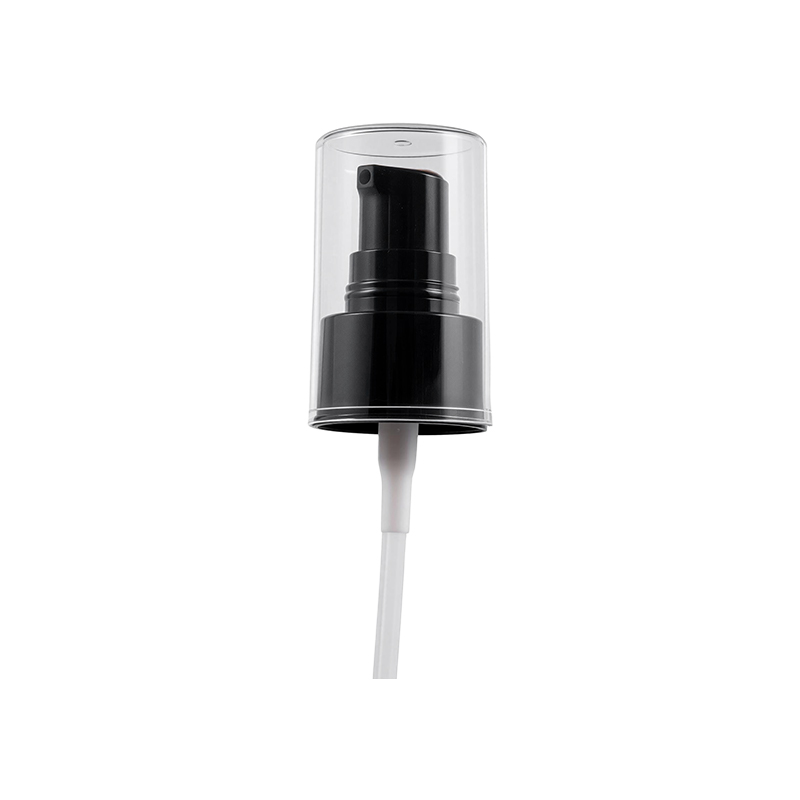





All rights reserved © Shaoxing Shangyu Haibo Spray Plastic Co.,Ltd.Privacy OEM/ODM Spray Plastic Bottle & Pump Manufacturers
浙ICP备2021023122号