 English
 Español
 عربى
عربى 中文简体
中文简体

The Professional's Guide to Sourcing 30ml Glass Perfume Bottles for Small-Batch Production
Content
- 1 Part 1: Defining "High-Quality": A Technical Specification Framework for Small Batches
- 2 Part 2: Supplier Ecosystem: Mapping Viable Sourcing Channels
- 3 Part 3: The Procurement Workflow: From RFQ to Delivery
- 4 Frequently Asked Questions (FAQ)
- 4.1 1. What is a realistic minimum order quantity for a custom 30ml glass perfume bottle?
- 4.2 2. How do we test if the pump is compatible with our fragrance concentrate?
- 4.3 3. What are the main cost drivers for a 30ml perfume bottle?
- 4.4 4. Is it feasible to source bottles and caps from different suppliers?
- 4.5 5. How can we make our packaging more sustainable?
For founders of independent fragrance brands and small-batch producers, sourcing high-quality 30ml glass perfume bottles is a critical operational challenge that intersects with design, chemistry, and supply chain logistics. The right empty perfume bottle must be more than a container; it is the primary touchpoint of your brand experience and a key factor in product integrity. This guide provides a technical, engineer-level framework for evaluating, sourcing, and specifying bottles, with a focus on the unique requirements and constraints of low-minimum-order-quantity (MOQ) production runs.
Part 1: Defining "High-Quality": A Technical Specification Framework for Small Batches
Quality in small-batch contexts extends beyond aesthetics to encompass material science, component interoperability, and supplier agility.
1.1 Glass Composition and Forming Technology: A Material Science Perspective
The choice of glass directly influences clarity, weight, feel, and chemical compatibility.
- Soda-Lime Glass: The most common and cost-effective type. It has good chemical durability and is suitable for most fragrance formulations. However, it often has a slight greenish or bluish tint (from iron oxide impurities) which can affect the perceived color of very pale liquids.
- Borosilicate Glass (e.g., Pyrex-type): Known for high thermal shock resistance and excellent chemical inertness. It is more expensive and is typically specified for applications where extreme pH stability is required, which is less common in fine fragrance.
- Aluminosilicate Glass: Offers superior clarity (often termed "crystal glass" in the industry), increased hardness, and a premium, heavier feel. This material is the benchmark for a true empty luxury perfume bottle with atomizer, enhancing perceived value through its optical properties and density.
The forming process is equally critical. Blow-molding is standard, but the tooling quality defines precision. For small batches, investing in a high-precision mold from a supplier with strong development capabilities is essential to achieve consistent wall thickness and avoid defects like seams or uneven bases that can compromise stability.
1.2 Critical Component Analysis: Atomizer, Cap, and Seal
The functionality of a refillable empty glass perfume bottle hinges on its components.
- Atomizer Pump Performance Metrics:
- Mist Fineness: Determined by the actuator nozzle design and spring tension. A fine, even mist ensures optimal fragrance dispersion without wetting the skin.
- Delivery Volume: Typically between 0.05ml to 0.15ml per spray. Consistency is key for consumer experience and dosage control.
- Chemical Resistance: The pump's internal components (gaskets, valve balls) must be compatible with high concentrations of ethanol and aromatic compounds to prevent degradation and leakage. Butyl or PTFE-based seals are superior to standard rubber.
- Actuation Force & Stroke: Should offer smooth, consistent resistance with a positive return. A poor-quality pump feels gritty or fails to return fully, breaking the seal.
- Cap Engineering and Sealing Systems: The cap must provide an airtight seal to prevent evaporation and oxidation. Mechanisms include:
- Over-Cap with Inner Plug: A plastic or metal shell with a friction-fit polyethylene plug. Common and effective.
- Screw-Thread Cap with Liner: Offers a robust seal; the liner material (foam, pulpboard, or induction foil) must be compatible with the fragrance.
- Magnetic Closure: A premium option for snap-on caps, requiring precise tolerance control between bottle finish and cap.
Technical Comparison of Key Bottle & Component Attributes:
| Feature | Standard Quality | High / Luxury Quality | Small-Batch Impact |
| Glass Clarity | Slight green/blue tint (Soda-Lime) | Water-white, brilliant clarity (Aluminosilicate) | High-clarity glass elevates brand perception instantly. |
| Pump Sealing | Standard Buna-N rubber gaskets | Chemically resistant Butyl or PTFE gaskets | Superior seals prevent costly leaks and product spoilage in inventory. |
| Cap Fit & Finish | Visible parting lines; loose or wobbly fit | Seamless appearance; precise, secure engagement | Tight tolerances require a capable mold maker, a key supplier differentiator. |
| Decoration Flexibility | Limited to basic silk-screening or labeling | Accepts spray coating, hot stamping, high-resolution printing | Partner with a factory offering in-house finishing (spraying, electroplating) for lower MOQs and better coordination. |
1.3 The Small-Batch Quality Paradigm: Flexibility and Consistency
For a small brand, a "high-quality" supplier is defined by their ability to deliver wholesale empty perfume bottles and caps with three additional attributes:
- Low MOQ Viability: Willingness to produce runs in the thousands, not tens of thousands, of units.
- Technical Support & Co-Development: Ability to assist with material selection, design for manufacturability (DFM) adjustments to a standard mold, and rapid prototyping.
- Integrated Post-Processing: A supplier that can handle decoration (spraying, printing, hot stamping) in-house reduces lead times, logistical complexity, and minimums compared to sourcing bottles and finishing separately.
Part 2: Supplier Ecosystem: Mapping Viable Sourcing Channels
Understanding the landscape of suppliers is crucial to finding the right partner.
2.1 Direct Manufacturers vs. Trading Companies
The fundamental choice is between working with the factory that makes the glass or an intermediary.
- Direct Manufacturer (OEM/ODM): Offers greater control over specifications, potentially lower cost at higher volumes, and direct communication with engineers. The challenge for small batches is finding one with a low MOQ policy. A professional manufacturer with strong R&D and full-service capabilities, for instance, can be an ideal partner as they can support the entire process from mold creation to final decoration under one roof, ensuring quality control and faster turnaround even for smaller orders.
- Trading Company or Sourcing Agent: Aggregates orders from multiple small buyers to meet factory MOQs. Provides convenience, language facilitation, and quality inspection services. The trade-off is less direct technical control and a higher per-unit cost.
2.2 Niche and Secondary Market Opportunities
Beyond standard channels, several paths can yield unique or cost-effective solutions.
- Stock & Overrun Bottles: Some manufacturers sell existing bottle designs from their catalog with very low or no MOQ. This is an excellent way to access high-quality glass quickly and affordably, though design choice is limited. This market can also be a source for unique empty vintage perfume bottles for sale or empty mini perfume bottles for crafts, though authenticity and condition due diligence is required.
- Specialist Glass Studios: For ultra-small batches or highly artistic designs, a glass studio specializing in hand-blown or semi-automatic production may be viable, though at a significantly higher cost per unit and with less consistency.
Part 3: The Procurement Workflow: From RFQ to Delivery
A disciplined, technical approach to procurement mitigates risk.
3.1 The Technical Request for Quotation (RFQ) and Sampling
A comprehensive RFQ should specify: glass type, weight and capacity (tolerance), neck finish dimensions (e.g., 18/415), pump specification, cap material and finish, and decoration details. When evaluating samples, conduct a 200-cycle spray test, a 48-hour leak test (store bottle on its side), and measure actual delivered volume per spray.
3.2 Production Agreement and Quality Assurance Protocols
The purchase order should reference agreed-upon Acceptable Quality Level (AQL) standards for defects (typically ANSI/ASQ Z1.4). For small batches, a pre-production sample (from the actual production mold) is non-negotiable. Specify requirements for packaging to prevent transit damage—individual pulp trays or foam inserts are superior to bulk packing.
According to a 2024 market analysis by the Global Packaging Institute, demand for premium, small-MOQ fragrance packaging grew by over 22% year-over-year, driven by the proliferation of indie beauty brands. The report highlights that suppliers who successfully cater to this segment are those offering "integrated service ecosystems," combining mold development, material science support, and versatile finishing options.
Source: Global Packaging Institute - 2024 Luxury & Niche Packaging Trends Report
Frequently Asked Questions (FAQ)
1. What is a realistic minimum order quantity for a custom 30ml glass perfume bottle?
For a truly custom bottle (new mold), MOQs typically start at 5,000 to 10,000 units. However, many manufacturers offer "customization" of stock molds—changing the glass color, cap style, or decoration—at much lower MOQs, sometimes as low as 1,000 units. This is a practical entry point for small brands.
2. How do we test if the pump is compatible with our fragrance concentrate?
Conduct a compatibility test: fill sample bottles with your complete fragrance formulation (including ethanol and concentrate) and store them at elevated temperatures (e.g., 40°C/104°F) for 3-4 weeks. Periodically check for spray function, leakage, and any change in fragrance odor. This accelerated test simulates long-term storage.
3. What are the main cost drivers for a 30ml perfume bottle?
Cost is driven by: 1) Mold Complexity (a single-cavity mold is cheaper than multi-cavity), 2) Glass Material (aluminosilicate > soda-lime), 3) Pump Quality (fine mist, chemical-resistant seals), 4) Cap Material (metal, acrylic, or wood caps cost more than ABS plastic), and 5) Decoration (hot stamping, electroplating, and spray coating add cost per operation).
4. Is it feasible to source bottles and caps from different suppliers?
It is technically possible but introduces significant risk. The neck finish (the threaded part of the bottle) and the cap must have precisely matching threads and tolerances. Sourcing separately requires obtaining and cross-matching detailed technical drawings from both suppliers, with no guarantee of perfect fit. Integrated sourcing from one supplier is strongly recommended to ensure a perfect seal.
5. How can we make our packaging more sustainable?
Focus on design for longevity and recyclability: 1) Use monomaterial components where possible (e.g., a fully glass bottle without metalized plastic parts that complicate recycling), 2) Design a refillable empty glass perfume bottle with a durable, aesthetically pleasing exterior and offer simple refill pouches or larger formats, and 3) Consider using recycled glass (cullet) in the bottle composition, though this may affect clarity.
-
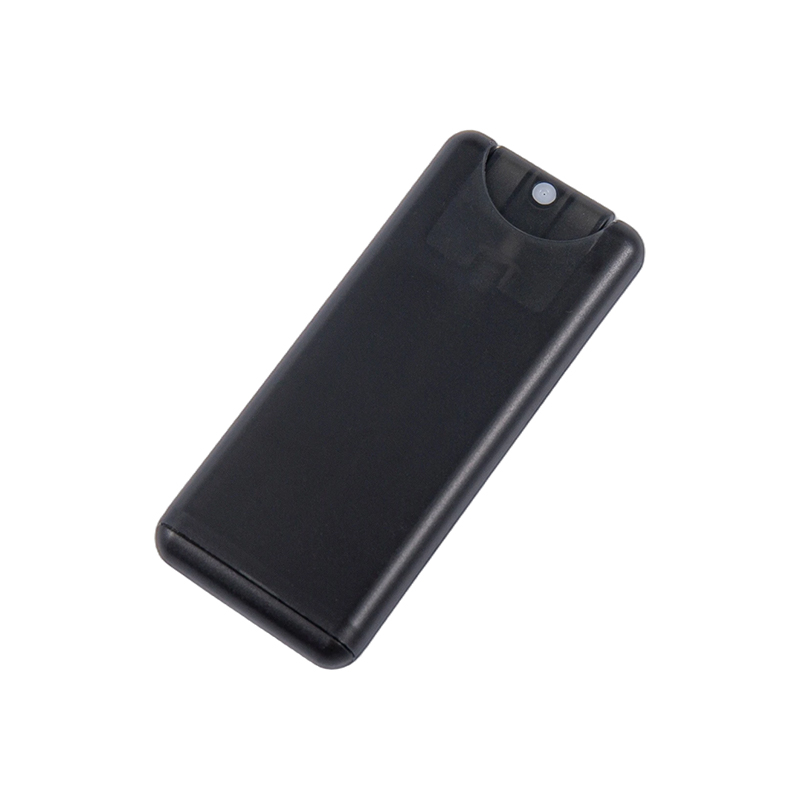 Small capacity card-type PP spray bottle (10-16ml)
-
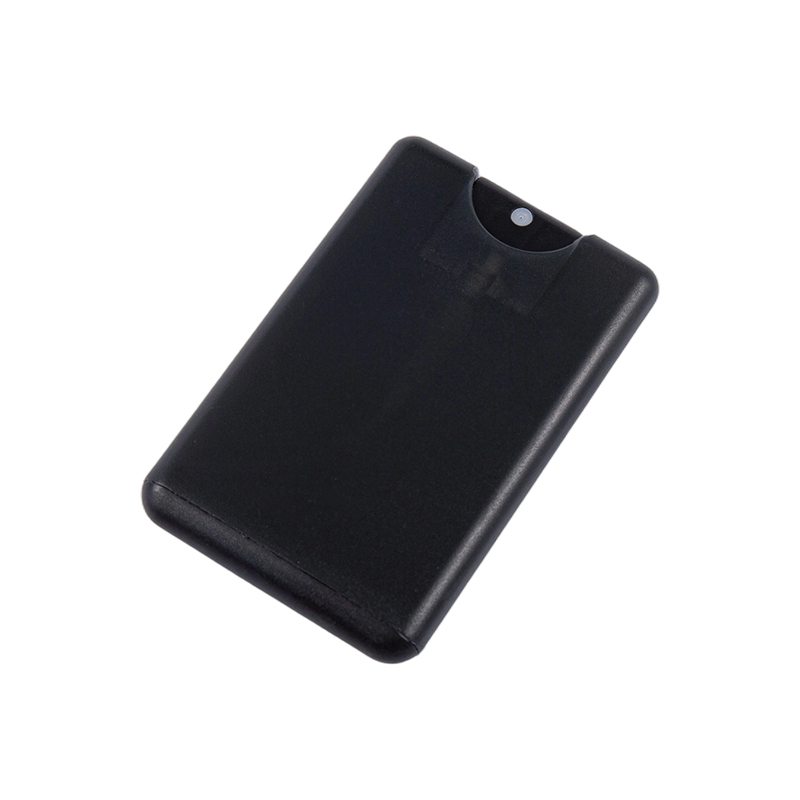 Large capacity card-type PP spray bottle (20-38ml)
-
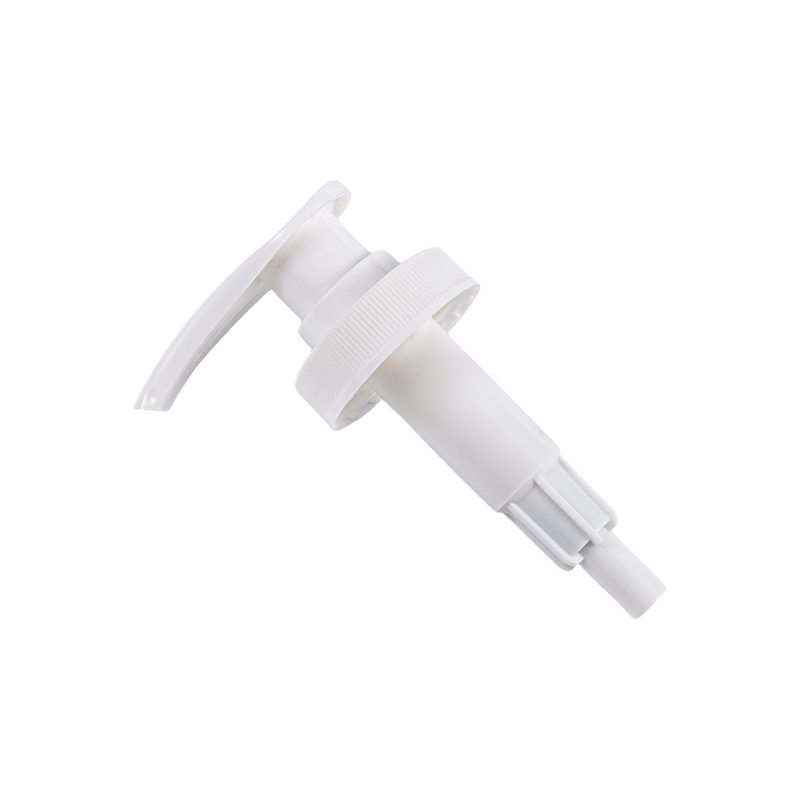 Other caliber lotion pumps can be customized
-
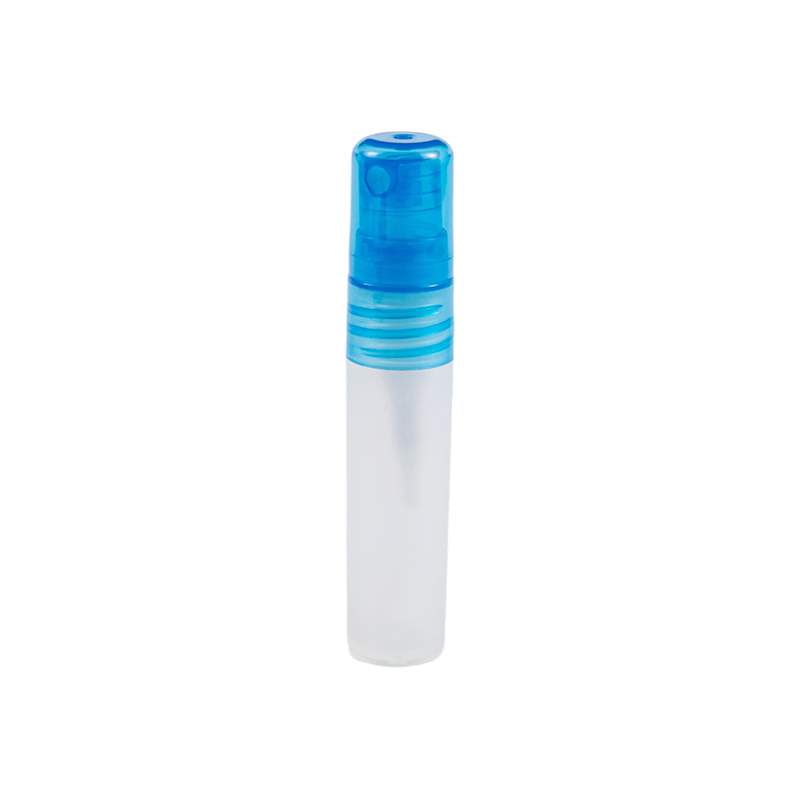 Material PP Height 87/77/73mm Diameter 14/13/12mm Capacity 5/4/3ml Dispensing Volume 0.07 ± 0.01ml
-
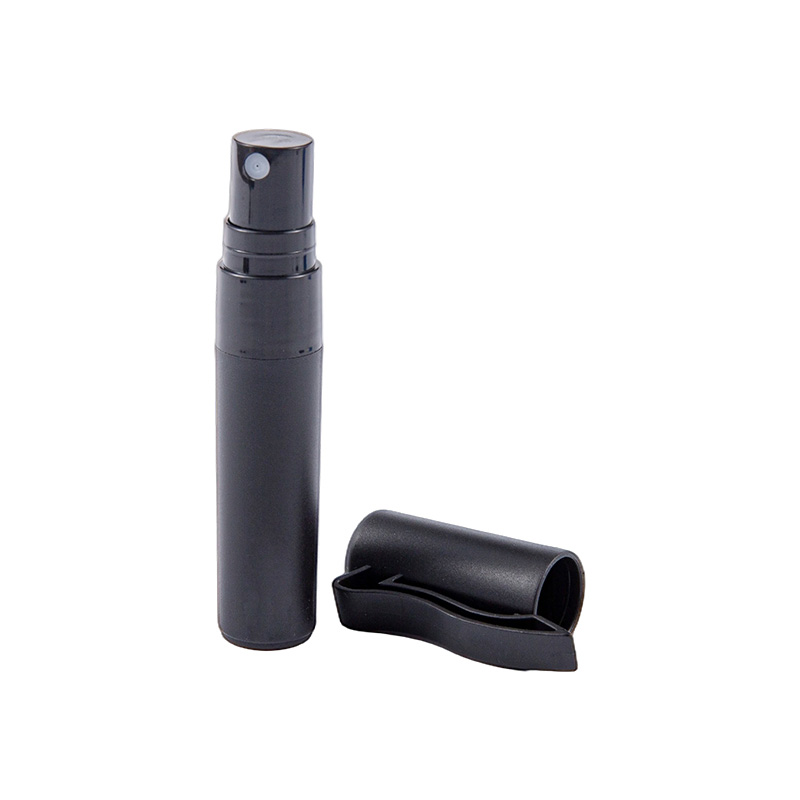 Pen Clip PP Perfume Spray Tube Set (8-15ml)
-
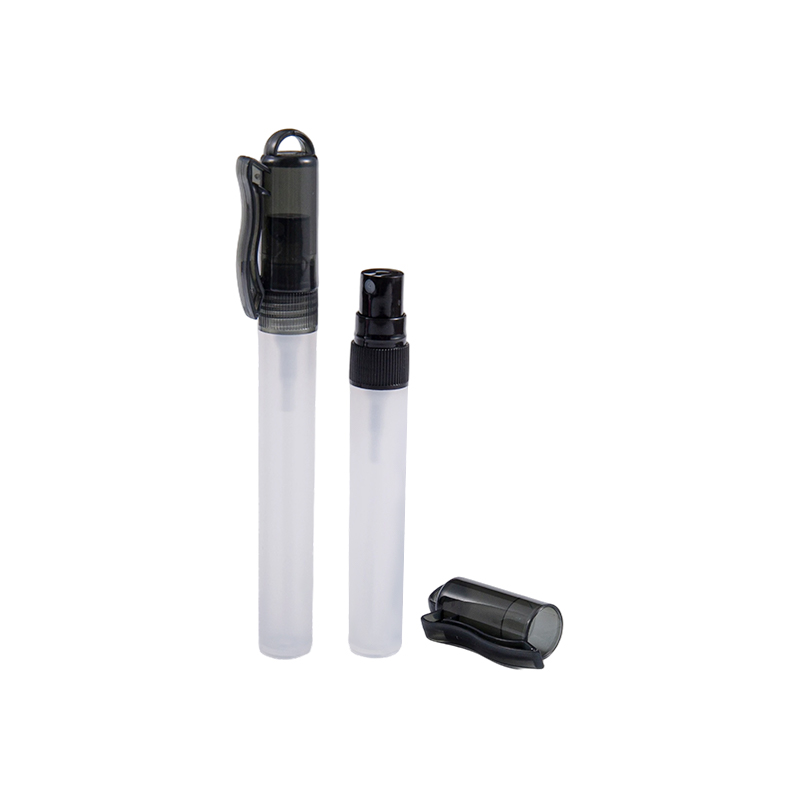 Hook-type PP perfume spray tube set (8/10ml)





All rights reserved © Shaoxing Shangyu Haibo Spray Plastic Co.,Ltd.Privacy OEM/ODM Spray Plastic Bottle & Pump Manufacturers
浙ICP备2021023122号