 English
 Español
 عربى
عربى 中文简体
中文简体

What's Next for the Portable Plastic Bottle?
Content
- 1 1. Material Safety and Health: The Foundation of Trust
- 2 2. Engineering for Reliability: The Science of the Perfect Seal
- 3 3. Design for Function and Sustainable Innovation
- 4 4. Branding and Customization: The Bottle as a Strategic Asset
- 5 FAQ
- 5.1 What is the most durable type of plastic for a reusable bottle intended for daily use?
- 5.2 How can I ensure the custom print on my promotional bottles won't fade or scratch off?
- 5.3 Are collapsible silicone bottles as leak-proof and durable as traditional rigid ones?
- 5.4 What does "food-grade plastic" actually mean, and is it sufficient for my product?
- 5.5 What are the key differences between rPET and bio-based plastics for eco-friendly bottles?
The ubiquitous PORTABLE PLASTIC BOTTLE has transcended its humble origins. No longer just a vessel for water, it is now a multifaceted product where material science, user-centric design, and brand identity converge. For procurement officers, product developers, and brand managers in the cosmetics, personal care, and promotional merchandise industries, selecting the right bottle is a strategic decision that impacts consumer safety, brand perception, and market competitiveness. The modern consumer demands more than mere functionality; they seek assurance of health safety, demonstrable sustainability, and flawless performance. This evolution is driven by deep-seated trends in wellness and environmental consciousness, pushing innovation in polymers, sealing technologies, and smart features. For manufacturers with decades of expertise, such as Shaoxing Shangyu Haibo Spray Plastic Co., Ltd., this shift represents the core of their mission: to engineer precision components that meet these sophisticated demands. This article delves into the critical innovations defining the next generation of portable plastic bottles, providing a technical blueprint for businesses looking to source or develop products that lead the market.
1. Material Safety and Health: The Foundation of Trust
The conversation about material safety has moved decisively beyond BPA. While a BPA free plastic sports water bottle remains a fundamental market entry point, informed consumers and rigorous B2B clients now scrutinize the entire material portfolio. The focus has shifted to polymers like Tritan™ copolyester, which offer superior clarity, impact resistance, and are engineered to be free from BPA and other bisphenols. Furthermore, compliance is multi-faceted, involving adherence to FDA regulations for food contact, EU framework regulations for materials intended for cosmetic use, and specific migration limits for substances. For brands, especially in cosmetics and healthcare, using a material that is not only safe but also certified for its intended use is non-negotiable. It mitigates liability and builds enduring consumer trust. The industry's leading manufacturers understand that material selection is the first and most critical step in the product lifecycle, often maintaining strict internal controls and sourcing food-grade or medical-grade resins to guarantee purity and performance from the very first stage of production.
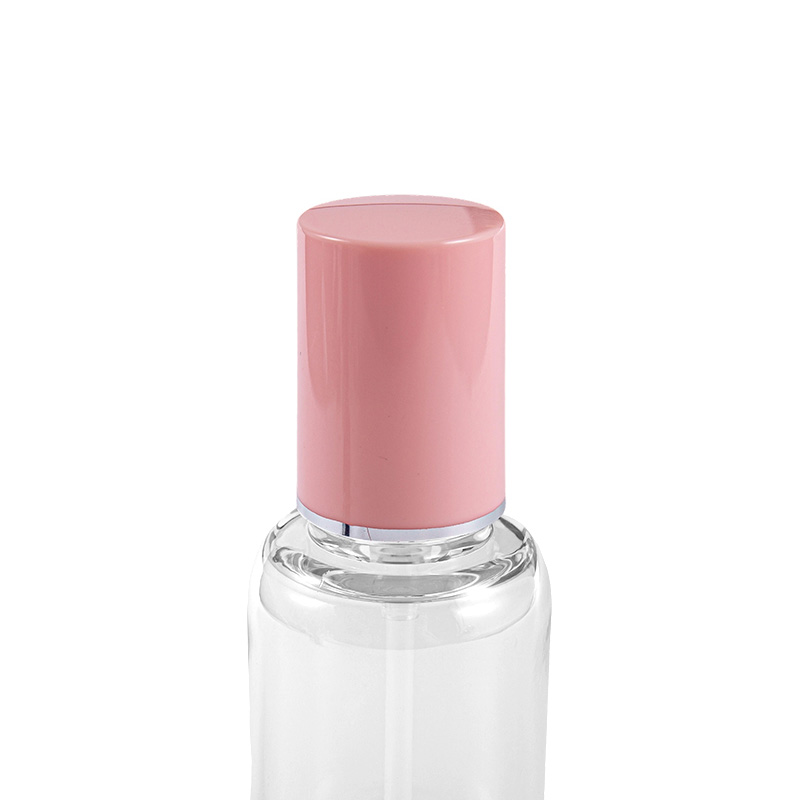
- Advanced Polymer Options: Beyond standard polypropylene (PP) and polyethylene (PE), materials like Eastman's Tritan™, SAN (Styrene-Acrylonitrile), and high-quality copolyesters offer enhanced properties for specific applications, from essential oil blends to active skincare serums.
- Certification as a Benchmark: Requiring suppliers to provide material certification documents, such as FDA 21 CFR compliance statements or EU 10/2011 migration test reports, is standard due diligence for responsible sourcing.
- Future-Proofing with Bio-Renewables: Innovations in bio-based plastics, derived from sugarcane or other renewable resources, are gaining traction for brands wanting to reduce fossil fuel dependency while maintaining performance.
| Material Type | Key Properties | Ideal Application | Compliance Considerations |
| Tritan™ Copolyester | High clarity, excellent impact strength, stain & odor resistance, BPA/BPS free. | Premium sports bottles, clear cosmetic containers, dishwasher-safe reusable bottles. | FDA compliant, often meets EU 10/2011 for food contact. |
| Recycled PET (rPET) | Good clarity & stiffness, reduced carbon footprint, promotes circular economy. | eco friendly reusable plastic bottle lines, promotional drinkware. | Must be from post-consumer food-grade sources; requires cleaning process validation. |
| Polypropylene (PP) | Excellent chemical resistance, good fatigue strength (for hinges), cost-effective. | Flip-top caps, lotion pumps, squeezable travel bottles. | Widely compliant; must ensure grade is suitable for intended product (cosmetic, food). |
2. Engineering for Reliability: The Science of the Perfect Seal
The paramount functional requirement for any portable container is preventing failure, making leak-proof integrity a non-negotiable engineering challenge. A truly leak proof plastic travel bottle is the result of a systems approach, where the bottle, the cap, the sealing gasket, and the dispensing mechanism work in flawless unison. This is especially critical for products containing liquids under pressure (like carbonated drinks) or viscous, valuable formulations (like perfumes and serums). Advanced sealing technologies involve multi-point barriers: a primary seal, often a precision-molded silicone or TPE gasket that compresses against the bottle's finish; secondary sealing features in the thread design; and for spray bottles, a critical internal seal within the pump or sprayer mechanism itself. Stress testing simulates real-world extremes—changes in air pressure during flight, temperature fluctuations, and repeated impact from being dropped or jostled in a bag. Manufacturers specializing in sprayer and dispensing systems invest heavily in the precision molding of these micro-components, as a tolerance deviation of a fraction of a millimeter can be the difference between reliability and failure.
- Gasket Material Selection: Silicone offers superior temperature tolerance and longevity; TPE (Thermoplastic Elastomer) can provide good sealability and be over-molded for integrated designs. The choice depends on the chemical compatibility with the bottle's contents.
Thread Design Philosophy:
- Multi-start threads allow for faster, user-friendly closing with fewer turns, while still maintaining even gasket compression. Standardized finishes (like 24/410) ensure compatibility with stock caps from different suppliers.
Dispensing Mechanism Integrity:
- For spray bottles, the seal is often created by a spring-loaded piston or ball valve within the pump chamber. The quality of this internal mechanism is the true determinant of leak-proof performance over hundreds of actuations.
| Failure Mode | Engineering Cause | Preventive Design Solution |
| Liquid Leakage from Cap | Insufficient gasket compression; imperfect thread engagement; gasket degradation. | Dual-compression gasket design; precision-molded threads with lead-in features; chemical-resistant gasket material (e.g., EPDM, Silicone). |
| Product Weeping from Spray Nozzle | Failed internal pump seal; "vapor transmission" through mechanism. | Pump design with secondary internal seal (e.g., floating piston); use of barrier-type plastics or coatings within the pump. |
| Cap/Bottle Stress Cracking | Material weakness; excessive internal pressure (from carbonation or temperature). | Material selection with high environmental stress crack resistance (ESCR); incorporation of a pressure-relief valve in the cap for specific applications. |
3. Design for Function and Sustainable Innovation
Modern design addresses two powerful demands: enhanced user convenience and reduced environmental impact. The collapsible plastic water bottle for hiking epitomizes space-saving innovation, utilizing flexible materials like food-grade silicone or telescoping rigid segments to minimize volume when empty. However, the design challenge lies in balancing collapsibility with durability and maintaining a leak-proof seal—a problem often solved with innovative cap-and-collar locking systems. Simultaneously, the market for an eco friendly reusable plastic bottle is defined by a lifecycle approach. True eco-friendliness encompasses material choice (like rPET or bio-based plastics), design for disassembly and recycling (mono-material construction), and, crucially, durability. A bottle designed to withstand thousands of uses has a far lower per-use environmental footprint than a biodegradable bottle that degrades after a few months. Features like integrated filters, measurement markings, or wide mouths for easy cleaning add practical value that encourages long-term reuse, aligning perfectly with sustainability goals.
- Collapsible Mechanism Trade-offs: Silicone bottles offer supreme packability but can be less abrasion-resistant. Telescoping rigid bottles maintain shape while drinking but have more complex parts. The choice depends on the primary use case (ultralight hiking vs. daily gym use).
- The rPET Advantage: Using post-consumer recycled PET directly supports the circular economy, reduces energy consumption compared to virgin PET, and meets a clear consumer demand for recycled content. Consistent supply and color variability are key sourcing considerations.
- Designing for End-of-Life: Initiatives like the "Plastic Recyclability by Design" guidelines promote easily separable components (e.g., removing silicone sleeves from PET bodies) to improve the quality and yield of recycling streams.
4. Branding and Customization: The Bottle as a Strategic Asset
In a crowded market, a bottle is a three-dimensional brand ambassador. The execution of a custom logo portable plastic bottle is a critical touchpoint that communicates quality and attention to detail. Decoration technology must be matched to the application: durable in-mold labeling (IML) creates a seamless, scratch-resistant graphic ideal for bottles that will be washed repeatedly, while high-definition offset printing can achieve photorealistic imagery for limited editions. For luxury cosmetic samples or promotional merchandise, the feel of the bottle—its weight, the texture of the plastic, the smoothness of the spray actuator—is part of the brand message. Strategic shape selection can also create ownability and enhance ergonomics. The decision between modifying a stock bottle and creating a full custom mold involves a cost-benefit analysis of minimum order quantities, tooling investment, and the strategic importance of a unique silhouette to the brand.
- Decoration Technology Comparison:
- Silk-Screen Printing: Cost-effective for simple, bold graphics; durability can vary.
- Heat Transfer Labeling: Allows for full-color, detailed graphics; good durability on curved surfaces.
- In-Mold Labeling (IML): The label is fused into the bottle wall during molding, creating a seamless, ultra-durable, and premium finish with no edge to peel.
- Ergonomic and Sensory Design: Considerations include grip contours, button actuation force for sprayers, and the audible "click" of a cap—all subtle cues that influence perceived quality.
- From Prototype to Production: Partnering with a manufacturer that offers comprehensive services from 3D prototyping and mold making to decoration and assembly ensures consistency and streamlines the supply chain for branded products.
FAQ
What is the most durable type of plastic for a reusable bottle intended for daily use?
For rigid, reusable bottles requiring high durability, clarity, and dishwasher safety, Tritan™ copolyester is a leading choice. It is engineered to have exceptional impact resistance (surviving repeated drops), withstand high temperatures for cleaning, and resist stains and odors from beverages. It is also inherently free from BPA and other bisphenols. An alternative for high-impact applications is high-density polyethylene (HDPE), though it typically lacks clarity. The choice depends on the desired aesthetic (clear vs. opaque) and the specific chemical compatibility needed for the bottle's contents.
How can I ensure the custom print on my promotional bottles won't fade or scratch off?
Fade and scratch resistance is determined by the decoration method and the quality of inks and coatings. For long-term durability, In-Mold Labeling (IML) is superior, as the graphic is protected within the bottle wall. For external printing, specify high-performance UV-cured inks and apply a protective overcoat or laminate. Discussing the intended use-case (e.g., dishwasher cycles, cooler ice abrasion) with your supplier is crucial. They can recommend the right combination of substrate treatment and ink system, and provide abrasion test results (like Taber test data) to validate the decoration's durability before committing to a large production run for your custom logo portable plastic bottle.
Are collapsible silicone bottles as leak-proof and durable as traditional rigid ones?
They can be equally leak-proof if they feature a high-quality, screw-thread cap with a robust sealing gasket—the same engineering principles apply. However, durability differs in nature. Silicone is highly resistant to tearing and permanent deformation but is more susceptible to punctures from sharp objects and can be abraded over time. Rigid bottles (e.g., Tritan or stainless steel) are more resistant to puncture and abrasion but can crack from severe impact. For a collapsible plastic water bottle for hiking, the trade-off is accepted for the unparalleled space savings. The key is sourcing bottles with thick, food-grade silicone and thoroughly testing the cap seal mechanism.
What does "food-grade plastic" actually mean, and is it sufficient for my product?
"Food-grade" is a broad term indicating the plastic material complies with relevant regulations (like FDA in the US) for safe contact with food. It means the material's composition and any potential migration of substances into food are within safe limits. For water bottles, this is the essential baseline. However, for many other products, it may not be sufficient. Cosmetic formulations, essential oils, or cleaning products can interact differently with plastics. "Cosmetic-grade" or "chemical-compatibility" testing is often required. Always verify that your supplier's material certifications specifically cover your product type and confirm through stability testing that no interaction affects the product or the bottle's integrity.
What are the key differences between rPET and bio-based plastics for eco-friendly bottles?
rPET (Recycled Polyethylene Terephthalate) is made from post-consumer PET waste (like drink bottles), directly supporting a circular economy by diverting waste. Its primary environmental benefit is reducing reliance on virgin fossil fuels and associated emissions. Bio-based plastics (like PLA or bio-based PE) are made from renewable resources like corn or sugarcane. Their benefit is a reduced carbon footprint in the production phase. The critical difference is in end-of-life: rPET can often be recycled again in existing PET streams, whereas many bio-based plastics require specific industrial composting facilities to biodegrade and can contaminate traditional recycling if not separated. For a truly eco friendly reusable plastic bottle, rPET is often favored for its clear path in current recycling systems and lower lifecycle impact when designed for multiple reuses.





All rights reserved © Shaoxing Shangyu Haibo Spray Plastic Co.,Ltd.Privacy OEM/ODM Spray Plastic Bottle & Pump Manufacturers
浙ICP备2021023122号