 English
 Español
 عربى
عربى 中文简体
中文简体

What Material Compatibility Should You Consider When Choosing a Perfume Spray Tube for Essential Oil Blends?
Content
- 1 Chemical Resistance: Evaluating Materials for Cologne Spray Mechanisms
- 2 Achieving the Perfect Atomization: Fine Mist Sprayer Pump for Essential Oils
- 3 Sustainability Trends: Adopting Aerosol Free Perfume Dispenser Technology
- 4 Ensuring Integrity in Transit: Leak Proof Travel Size Spray Tube
- 5 Maintenance and Customization: Replacement Perfume Spray Nozzle Parts
- 6 Conclusion
Formulating with essential oils requires a sophisticated understanding of chemistry, not just fragrance composition. Essential oils are potent solvents that can interact unpredictably with packaging materials, leading to package failure, aesthetic defects, or a degradation of the fragrance profile itself. When sourcing a PERFUME SPRAY TUBE, the primary concern for procurement professionals and packaging engineers is chemical compatibility. Selecting the wrong polymer can result in stress cracking, leaching, or permeation, compromising both the product's integrity and the consumer experience. This guide analyzes the critical technical factors in selecting spray components that ensure safety, performance, and longevity for essential oil blends.
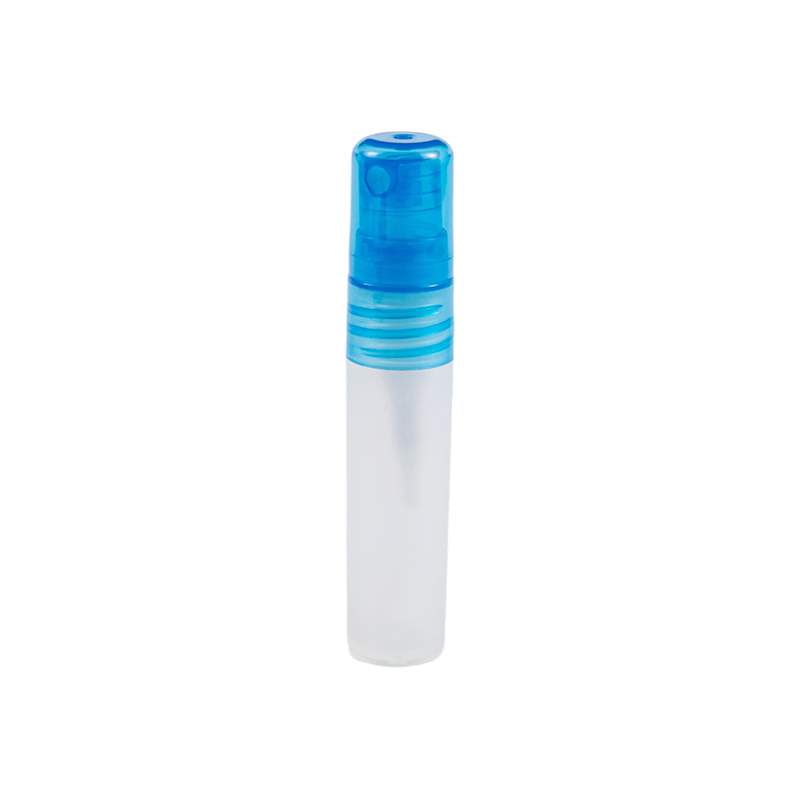
Chemical Resistance: Evaluating Materials for Cologne Spray Mechanisms
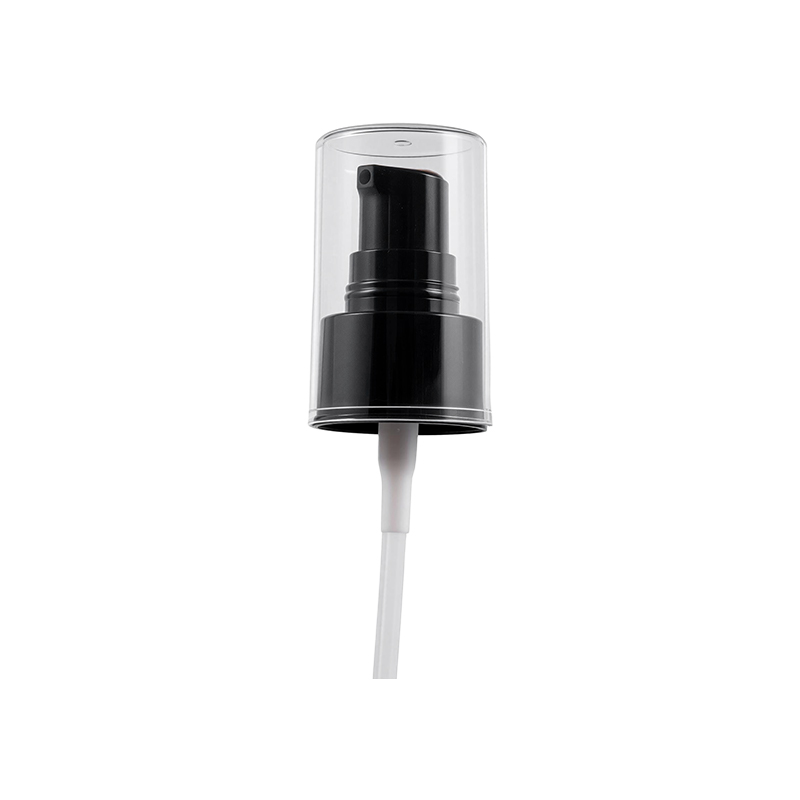
The interaction between the fragrance concentrate and the pump mechanism is a critical failure point. Essential oils, particularly citrus variants like lemon or orange (d-limonene), are aggressive solvents. A Cologne Spray Mechanism with Actuator typically consists of multiple components: the housing, the piston, the spring, and the gasket. While the metal spring and the actuator (often PP or SAN) are generally resistant, the rubber or plastic seals are vulnerable. Degradation of these seals can lead to the pump "sticking" or failing to prime. It is imperative to specify materials with high Environmental Stress Crack Resistance (ESCR) for components that are in constant contact with the oil.
To ensure reliability, engineers must compare the chemical resistance properties of common sealing and housing materials.
| Material | Polypropylene (PP) | Low-Density Polyethylene (LDPE) | Fluoropolymer (PTFE/Viton) |
| Chemical Resistance | Good resistance to alcohols; fair to strong oils | Excellent flexibility; susceptible to stress cracking with terpenes | Exceptional resistance to almost all essential oils and solvents |
| Cost Factor | Economical (Standard) | Economical (Standard) | High (Premium) |
| Best Application | Outer housings, Actuators | Dip tubes (non-critical contact) | Internal seals, gaskets, pistons |
As a specialized manufacturer of ropes and webbing since 2000, Fengrun Rope Weaving Co., Ltd. understands that the choice of raw material defines the lifespan of the product. Just as our ropes are selected for specific load-bearing and environmental conditions, the selection of plastics and elastomers for perfume tubes requires strict quality control. Our dedication to "Quality and Innovation in Equal Measure" extends to the precision manufacturing standards we advocate for in all technical components.
Achieving the Perfect Atomization: Fine Mist Sprayer Pump for Essential Oils
Essential oil blends often have higher viscosities than standard alcohol-based colognes. If the orifice size of the nozzle or the spring force of the pump is not calibrated correctly, the product will squirt rather than mist. A Fine Mist Sprayer Pump for Essential Oils requires engineering that accounts for the fluid dynamics of thicker oils. The goal is to achieve a specific droplet size distribution (typically in the range of 30-60 microns) that ensures the fragrance settles on the skin rather than evaporating instantly.
According to the "2024 Global Packaging Report" by the International Fragrance Association (IFRA), consumer preference data indicates that spray quality is a primary determinant of perceived luxury and value, driving demand for actuators that deliver a consistent, fine mist even with viscous, oil-heavy formulations.
Source: International Fragrance Association (IFRA) - Global Packaging Report
Comparing the performance specifications of standard pumps versus those designed for viscous oils highlights the engineering differences.
| Specification | Standard Water/Alcohol Pump | High-Viscosity Oil Pump |
| Orifice Diameter | Smaller (0.15mm - 0.20mm) | Larger (0.25mm - 0.35mm) to prevent clogging |
| Spring Force | Standard compression | High-tension spring for greater pressure |
| Vortex Chamber | Standard swirl | Enhanced swirl channels for finer atomization |
Sustainability Trends: Adopting Aerosol Free Perfume Dispenser Technology
The fragrance industry is undergoing a significant regulatory shift regarding volatile organic compounds (VOCs) and propellants. Traditional aerosol sprays rely on liquefied petroleum gas or hydrofluorocarbons (HFCs) to propel the fragrance, which contributes to the carbon footprint. Transitioning to an Aerosol Free Perfume Dispenser eliminates the need for these propellants. These "bag-on-valve" or "airless" systems use nitrogen or simply compressed air to evacuate the product, focusing strictly on the mechanical integrity of the PERFUME SPRAY TUBE and pump housing to dispense the formula.
Comparing aerosol systems with non-aerosol mechanical dispensers reveals the environmental and formulation advantages.
| Feature | Traditional Aerosol | Aerosol Free Dispenser |
| Propellant | LPG, Propane, Butane (VOCs) | Nitrogen, Air, or Mechanical pump only |
| Carbon Footprint | High (Greenhouse gas potential) | Low (Recyclable components, no gas) |
| Formula Purity | Must be compatible with gas propellant | Formula remains pure (uncontaminated by gas) |
Ensuring Integrity in Transit: Leak Proof Travel Size Spray Tube
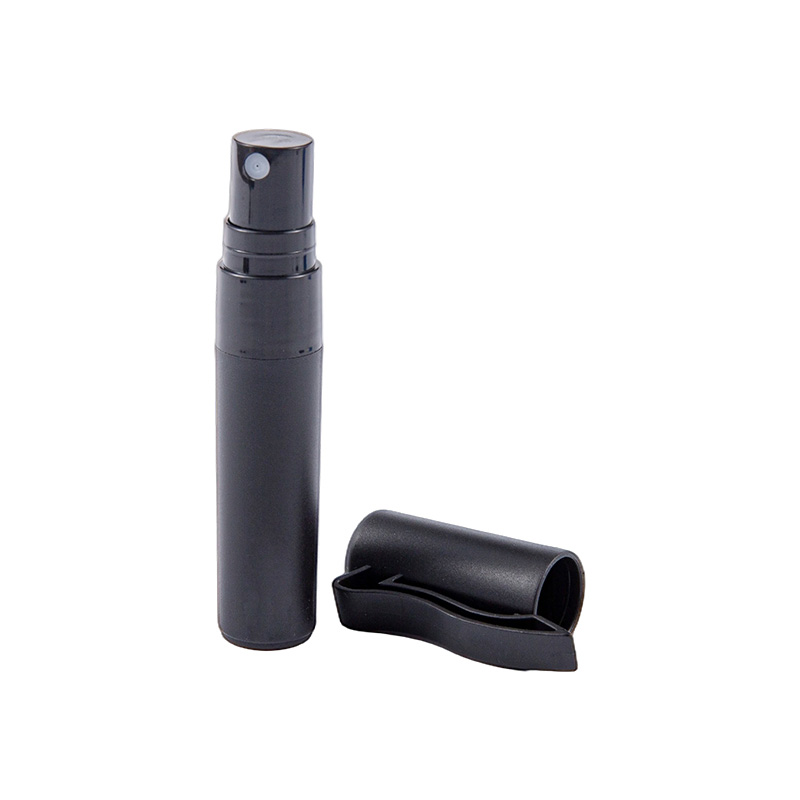
Travel formats are a growing segment for perfume brands, but they present a unique engineering challenge: changes in cabin pressure. During air travel, the differential pressure can force liquid up the dip tube and out the nozzle, creating a mess. A Leak Proof Travel Size Spray Tube must incorporate specific valve architectures, such as a locking clip or an internal ball-check valve that seals the orifice when the actuator is not depressed.
According to the "ISTA 6-FedEx-A Test Procedure" guidelines for packaging certification, small liquid containers must withstand pressure differentials without leaking to pass transit safety standards.
Source: International Safe Transit Association (ISTA) - Resource Library
The choice of locking mechanisms is critical for ensuring product containment during transport.
| Mechanism Type | Standard Cap | Over-Cap Lock / Clip |
| Pressure Locking | None (Passive) | Active (physically locks the actuator down) |
| Leak Risk | High (especially at altitude) | Negligible (if properly engaged) |
| User Experience | Instant access | Requires unlocking before use |
Maintenance and Customization: Replacement Perfume Spray Nozzle Parts
For premium packaging, the glass bottle is a durable asset, but the mechanical sprayer is often the first component to fail due to clogging or user error. Offering Replacement Perfume Spray Nozzle Parts provides a sustainable and cost-effective solution for brands. These replacements must maintain strict dimensional tolerances (e.g., 28/410, 18/415 neck finishes) to ensure cross-brand compatibility or compatibility with the brand's existing inventory.
Comparing full pump replacement with component replacement highlights the economic benefits.
| Strategy | Full Pump Replacement | Component Replacement (Nozzle/Actuator) |
| Material Waste | High (entire plastic assembly discarded) | Low (only the broken part discarded) |
| Cost | Higher (purchasing full mechanism) | Lower (purchasing only the head/actuator) |
| Installation | Standard (threaded) | Snap-fit (requires precision manufacturing) |
Conclusion
Selecting the correct PERFUME SPRAY TUBE for essential oil blends is a multi-faceted engineering challenge. It requires a balance of chemical compatibility to prevent degradation, fluid dynamic precision for the perfect mist, and structural integrity to withstand transport. By prioritizing high-quality Cologne Spray Mechanism with Actuator components and embracing sustainable Aerosol Free Perfume Dispenser technologies, manufacturers can ensure product quality and brand loyalty. Just as Fengrun Rope Weaving Co., Ltd. prioritizes durability and quality control in our weaving processes, the fragrance packaging industry must adhere to rigorous standards to ensure that the final product delivered to the consumer is flawless.
Frequently Asked Questions (FAQ)
- Q1: Which plastic materials are safest for holding pure essential oils without degradation?
Fluoropolymers like PTFE or high-grade Polypropylene (PP) are generally preferred for seals and housings due to their high resistance to the solvents found in pure essential oils.
- Q2: Can a standard sprayer handle high-concentration perfume oils without clogging?
It is not recommended. Standard sprayers have smaller orifices. A Fine Mist Sprayer Pump for Essential Oils is engineered with larger orifices and higher spring pressure to handle viscosity and prevent clogging.
- Q3: What are the environmental benefits of using an aerosol-free perfume dispenser?
Eliminating propellants reduces the carbon footprint and VOC emissions. Aerosol Free Perfume Dispenser systems are often easier to recycle and separate the product from the propellant gas.
- Q4: How do leak-proof valves in travel spray tubes work to prevent air pressure leaks?
They utilize internal check valves or locking mechanisms that seal the fluid path when the pump is not in use, preventing pressure differentials during flights from forcing liquid out.
- Q5: Are replacement spray nozzle parts compatible across different perfume bottle brands?
Compatibility depends on the neck finish standard (e.g., 28/410). If the bottle and the replacement part share the same industry-standard threading, they are typically compatible.





All rights reserved © Shaoxing Shangyu Haibo Spray Plastic Co.,Ltd.Privacy OEM/ODM Spray Plastic Bottle & Pump Manufacturers
浙ICP备2021023122号