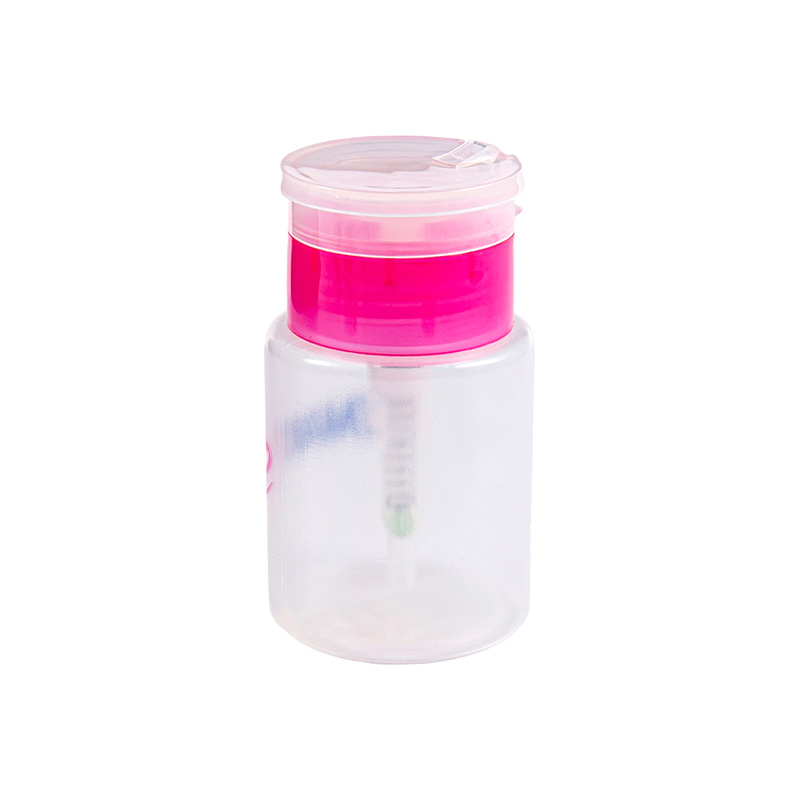
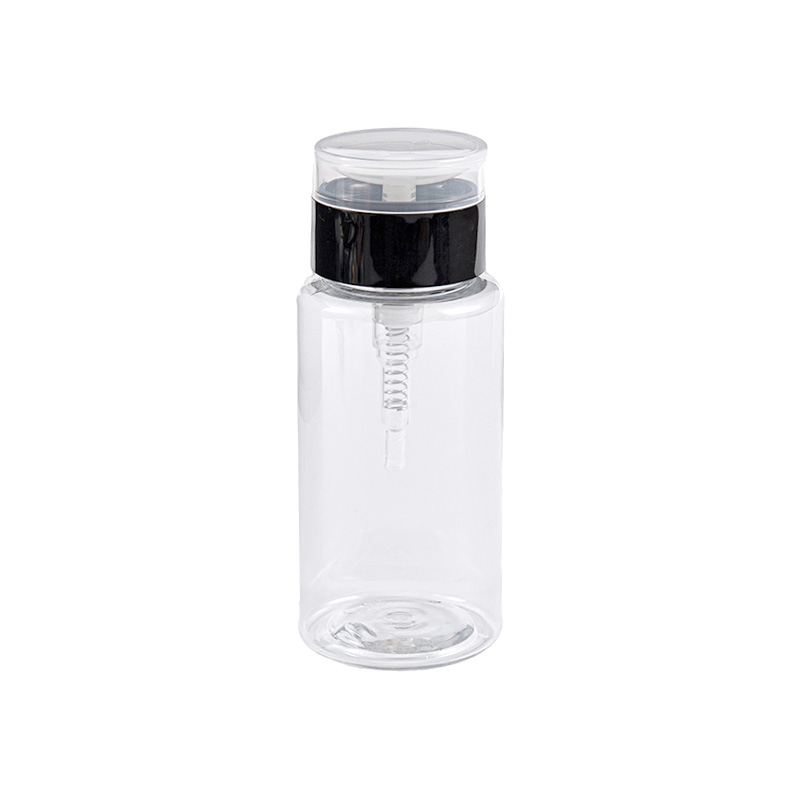
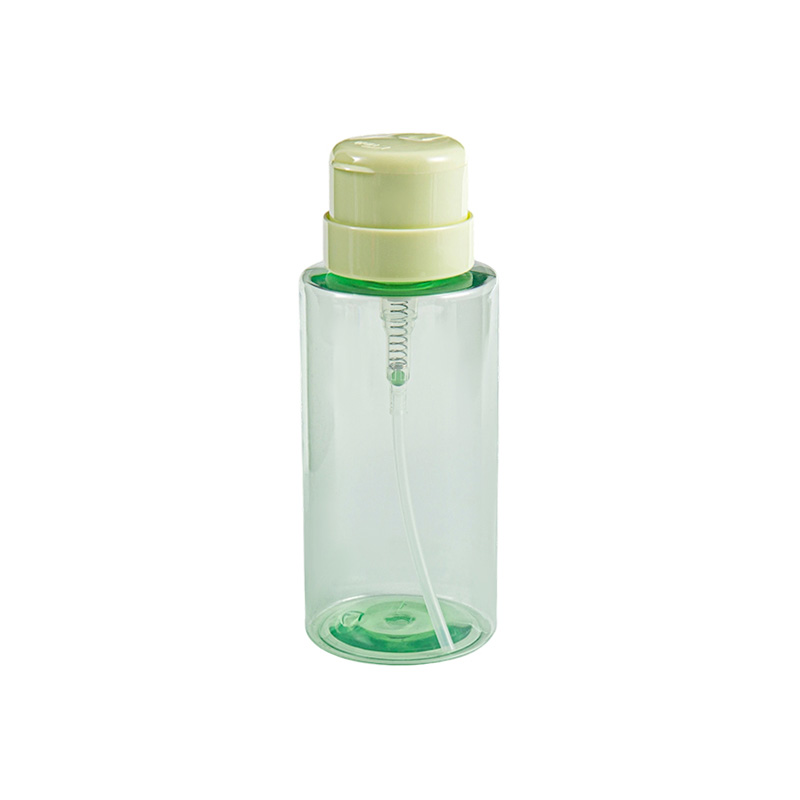
Industry Knowledge: The Makeup Remover Pump
The Makeup Remover Pump is a critical component in the cosmetics packaging ecosystem, directly influencing product efficacy, user experience, and brand perception. As a specialized manufacturer of liquid dispensing systems like mini sprayers and perfume pens, Shaoxing Shangyu Haibo Spray Plastic Co., Ltd. (Established in 1995) offers a deep, technical understanding of the engineering, materials, and production processes that define a high-quality pump. This article delves into the core industry knowledge surrounding this essential packaging component.
1. Precision Engineering of a Makeup Remover Pump: Key Technical Parameters from Dosage Control to Leak-Proof Sealing
The performance of a makeup remover pump hinges on its precision engineering. It is not merely a dispenser but a sophisticated device that must deliver consistent results while maintaining product integrity. This expertise is central to our production of liquid dispensers.
Key Parameters and Technical Points:
| Parameter |
Typical Specification |
Impact on User Experience |
| Output Volume (Dosage) |
1.5ml, 2.0ml, 3.0ml per press |
Ensures consistent product usage and prevents waste; crucial for cost-effective application. |
| Seal Integrity |
Multi-layer gasket design (NBR/EPDM) |
Prevents leakage during transport and oxidation of the formula, preserving product shelf life. |
| Actuation Force & Stroke |
Optimized for smooth, low-effort press |
A comfortable press-and-return action enhances the perceived quality and ease of use. |
| Dip Tube Length |
Customized to bottle height |
Ensures maximum product evacuation, minimizing residue and improving consumer value. |
2. Material Compatibility: A Matching Guide for Makeup Remover Pumps with Different Formulas (Oil-Based, Water-Based, Alcohol-Containing)
A pump is not a one-size-fits-all component. The chemical composition of the makeup remover—whether it's an oil, water, or alcohol-based formula—dictates the choice of materials for the pump's construction to ensure safety, longevity, and performance.
Material and Formula Compatibility Matrix:
- Pump Body Materials:
- PP (Polypropylene): Excellent chemical resistance and cost-effective; ideal for most oil-based and water-based removers.
- ABS (Acrylonitrile Butadiene Styrene): High rigidity and premium finish; often used for the outer casing to enhance aesthetic appeal.
- Sealing Gasket Materials:
- NBR (Nitrile Rubber): Superior resistance to oils and solvents; the standard choice for oil-based makeup removers.
- EPDM (Ethylene Propylene Diene Monomer): Excellent resistance to water, acids, alkalis, and alcohol; essential for alcohol-based toners or removers.
- Compatibility Testing Protocol: Involves immersing pump components in the formula for a set period (e.g., 72 hours) at elevated temperatures to check for swelling, cracking, or discoloration.
3. From Function to Aesthetics: How Makeup Remover Pump Design Influences Brand Positioning and Consumer Experience
In the competitive cosmetics market, a pump is more than a functional part; it's an extension of the brand's identity. Its design, color, and finish communicate quality and contribute to the overall consumer experience.
Key Design Considerations:
- Visual Customization:
- Color Options: Standard colors (black, white, transparent), custom colors (Pantone matching), and metallic finishes (electroplating, spraying).
- Surface Treatment: Choices between glossy, matte, frosted, or brushed finishes to align with brand aesthetics.
- Functional Design:
- Locking Mechanisms: Twist-to-lock (ideal for travel) and clip-to-lock (child-friendly) designs add value and security.
- Orifice Shape: Standard nozzles versus duck-bill nozzles for more controlled application.
- Brand Synergy: The pump design must be harmonious with the bottle shape, logo placement, and the brand's overall Visual Identity System (VIS).
4. Supply Chain Perspective on Makeup Remover Pump Production: Quality Control from Precision Injection Molding to Automated Assembly
As a comprehensive manufacturer established in 1995, our control over the entire supply chain is our core strength. Quality is not inspected but built into every stage of the production process.
Production and Quality Control Stages:
- Precision Injection Molding:
- Mold Precision: Tolerances are controlled within ±0.02mm to ensure perfect assembly and function of all pump parts.
- Clean Environment: Production is conducted in Class 100,000 clean rooms to prevent particulate contamination.
- Automated Assembly:
- Assembly Accuracy: Automated systems ensure the precise placement of small components like springs, pistons, and glass balls.
- Torque Control: Automated systems apply consistent torque when fastening components, ensuring a secure seal without damaging the threads.
- Quality Assurance Testing:
- Fatigue Testing: Pumps are subjected to thousands of continuous press cycles to simulate their operational lifespan.
- Leak Testing: Random or 100% batch testing under vacuum or pressure to guarantee zero leakage.
5. Market Segmentation Trend: The Evolution from General Makeup Remover Pumps to Specialized Eye & Lip Remover Pumps
The market is evolving from one-size-fits-all solutions to highly specialized packaging. This trend is evident in the development of dedicated pumps for specific product categories, such as eye and lip makeup removers, which demand greater precision and a more delicate touch.
Evolution of Specialized Pumps:
- Product Application Segmentation:
- Facial Remover Pumps: Typically feature larger diameters (e.g., 24/410) and higher output volumes (2.0-3.0ml) for efficient application over larger areas.
- Eye & Lip Remover Pumps: Often have smaller diameters (e.g., 18/410) and lower, more precise output volumes (0.8-1.2ml) to avoid product waste around sensitive areas.
- Technological Advancement:
- Fine-Tuned Dosage: Leveraging our expertise in mini sprayers and perfume pens to develop pumps with exceptionally small and accurate dosages.
- Material Innovation: Using higher-grade, medical-grade, or eco-friendly materials to meet the demands of gentle, sophisticated formulas.
- Customization as a Service: The ability to rapidly develop and mass-produce pumps for niche markets demonstrates our R&D flexibility and commitment to client success.
FAQ
What is the difference between a pump and a dispenser for makeup remover?
While often used interchangeably, there's a technical distinction. A makeup remover pump typically refers to a mechanism that draws liquid from the bottle and dispenses it in a measured dose through a downward-pressing action. A dispenser is a broader category that can include pumps, but also other mechanisms like flip-top caps, squeeze tubes, or droppers. In the context of liquid makeup removers in a bottle, "pump" is the more specific and accurate term for the press-down mechanism that offers controlled, hygienic dispensing.
How do I choose the right pump size (output volume) for my makeup remover product?
Choosing the right output volume (e.g., 1.5ml vs. 3.0ml) depends on your product's application and target user. For a full-face makeup remover, a larger volume like 2.0ml or 3.0ml is efficient. For a targeted product like an eye and lip makeup remover, a smaller, more precise volume of 0.8ml to 1.2ml is ideal to prevent over-saturation and waste. Consider the product's viscosity; thicker formulas may require a pump with a wider channel and stronger spring, which can influence the standard output volume. Ultimately, the goal is to match the pump's function to the user's expected usage pattern.
Can a makeup remover pump be used for formulas containing alcohol or essential oils?
Yes, but material selection is critical. For formulas with a high alcohol content, you must specify a pump with seals made from EPDM (Ethylene Propylene Diene Monomer), as NBR seals can degrade when exposed to alcohol. For formulas with aggressive essential oils, PP (Polypropylene) is generally the best choice for the pump body due to its excellent chemical resistance. Always consult with your manufacturer to provide the full ingredient list (MSDS) of your formula so they can recommend the most compatible and safe materials for your makeup remover pump to prevent leaching, degradation, or failure.
What makes a makeup remover pump "leak-proof"?
A leak-proof makeup remover pump is the result of a multi-layered engineering approach. Key features include:
- High-Quality Gaskets: Multiple, precisely fitted rubber or plastic gaskets (often NBR or EPDM) at critical junctions to create an airtight and liquid-tight seal.
- Tight Tolerances: Precision manufacturing ensures all components fit together perfectly, with no gaps for liquid or air to escape.
- Secure Locking Mechanism: A twist-lock or clip-lock feature that secures the pump head during transport, preventing accidental actuation.
- Robust Spring Design: A high-quality spring ensures the piston returns to a fully sealed position after each use.
Are plastic makeup remover pumps recyclable?
The recyclability of a plastic makeup remover pump is complex because it is made of multiple components (PP body, ABS head, metal spring, rubber gasket). For proper recycling, the pump must be disassembled, which is not feasible for most consumers. However, the industry is moving towards more sustainable solutions. Look for pumps designed as a single material (e.g., all-PP) or those that are easier to disassemble. As a manufacturer, we are actively developing mono-material pumps and exploring post-consumer recycled (PCR) plastics to improve the environmental footprint of our packaging components. Consumers should check with their local recycling facilities, but often it's recommended to separate the pump from the glass or plastic bottle before recycling.

 English
 Español
 عربى
عربى 中文简体
中文简体