 English
 Español
 عربى
عربى 中文简体
中文简体

Acid Resistant Spray Bottle: Resins, Seals and Spring Specs for Buyers
Content
A 12 percent phosphoric acid wheel cleaner will kill a standard trigger sprayer in about three weeks of daily shop use. The bottle body never cracks. The spring rusts first, the seal takes a permanent set, and the trigger starts dribbling down the neck long before anyone notices a change in the spray pattern.
An acid resistant spray bottle is specified part by part, not bought as a category. Five wetted components decide whether the package survives: the body resin, the dip tube, the spring alloy, the seal elastomer, and the nozzle insert. Match all five to the acid, its concentration, and its contact time, and the bottle will outlast the label. Miss one and the failure arrives as a leak complaint, a return authorization, or a sticky shelf in a retail aisle.
Most sourcing problems in this category trace back to one omission. Buyers compare bottle bodies, pick the cheapest trigger that looks chemical resistant, and never ask what the spring is made of. That single gap is why acid cleaner programs so often pass the first production run and fail on the second or third.
What Makes an Acid Resistant Spray Bottle Different?
An acid resistant spray bottle is a dispensing package whose wetted parts keep their mechanical function after continuous contact with a low-pH formulation. That is the entire specification in one sentence, and it is stricter than the phrase chemical resistant suggests.
Chemical resistance is a broad family of promises covering solvents, alcohols, alkalis and oils. Acid resistance narrows the question to low pH, where two failure mechanisms dominate. The first is metal corrosion: acids pit carbon steel and lower-grade stainless steels until the trigger loses its return force and the spray pattern collapses. The second is polymer stress cracking: some resins hydrolyze or craze under sustained acid contact, usually starting at the shoulder where the molded wall is thinnest.
The table below maps each wetted part to its most common failure in acid service and to the material grade that prevents it.
| Wetted part | Typical failure in acid service | Acid resistant specification |
| Bottle body | Stress cracking at the shoulder, paneling under squeeze load | HDPE for pH 1 to 4, PP above 50 C, PET and PETG avoided for long contact |
| Dip tube | Softening, kinking, tube separating from the pump stem | LDPE or PP tube with stem fit held within 0.1 mm |
| Spring and ball valve | Rust bloom in two to four weeks, lost return force | Passivated 316 stainless steel minimum, nickel alloy for chloride-rich blends |
| Seal and gasket | Swelling, permanent set, weeping at the closure | FKM fluoroelastomer or acid-grade EPDM, never nitrile |
| Nozzle insert | Enlarged orifice, distorted cone, drip after shutoff | PP or POM insert with orifice tolerance held at plus or minus 0.05 mm |
Choosing the Body Resin: HDPE, PP, PET and PETG
HDPE is the default body resin for acid resistant spray bottles, followed by PP where fill temperature or warehouse temperature climbs above 50 C. PET and PETG are the wrong choice for long-contact acidic liquids because they hydrolyze and stress-crack.
HDPE resists environmental stress cracking better than any other commodity resin used in this format. It handles pH 1 to 4 indefinitely at room temperature, tolerates the squeeze loads of a trigger bottle without whitening, and holds a molded thread well enough to seal without a liner. Where the formula runs hot or the pallet sits in a warm warehouse, PP takes over: it delivers the same acid resistance with roughly 30 C more thermal headroom, at the cost of a stiffer feel and a slightly higher resin price.
Why PET and PETG Fail in Acid Service
PET is the resin behind bottled water and soft drinks, which is exactly why it appears in so many low-cost bottle catalogs. In acid service it is a liability. PET hydrolyzes at low pH, and molded-in stress from blow molding releases as visible crazing around the shoulder and base. A PET bottle holding a pH 2 descaler can look perfect for three months, then split along a stress line with no warning at all.
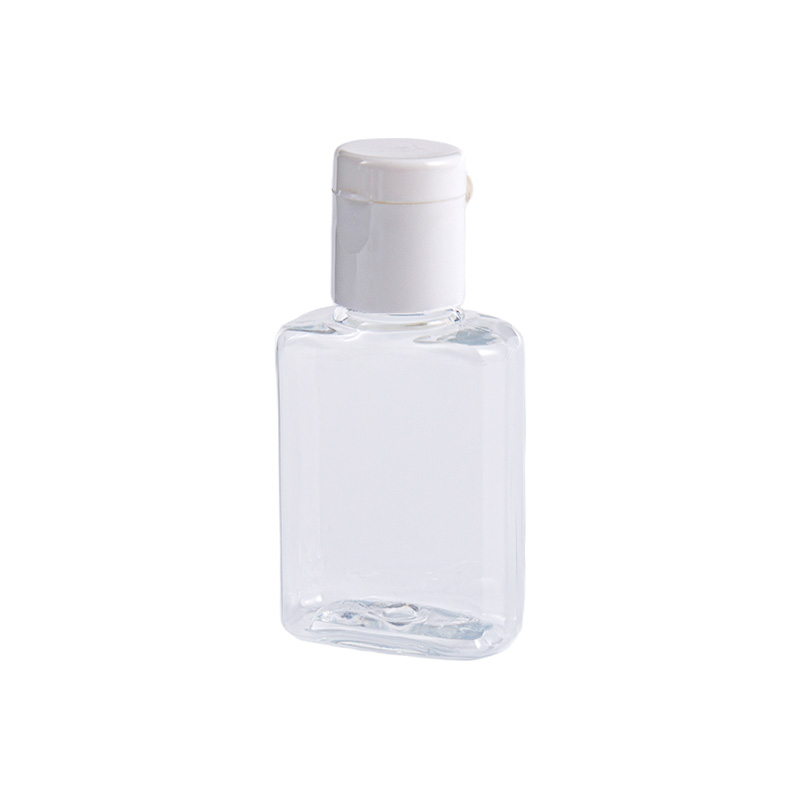
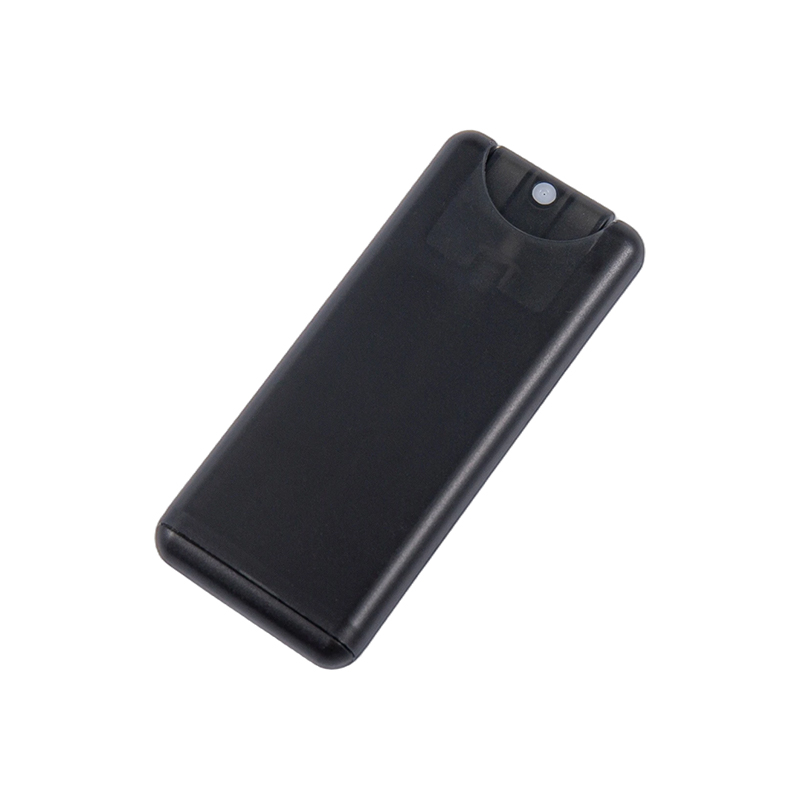
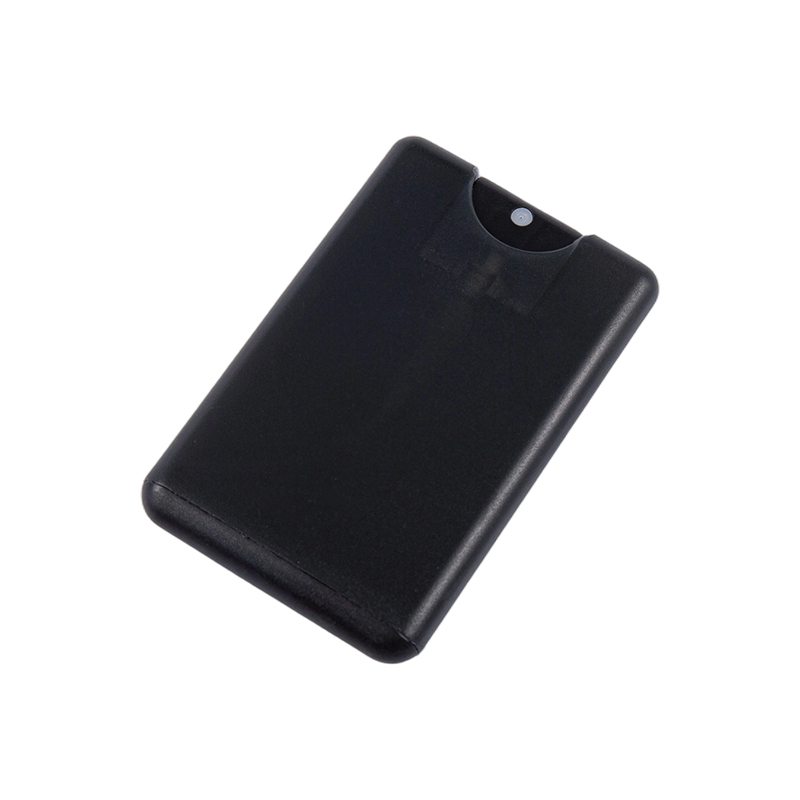
PETG behaves better than PET and is common in card-format spray bottles and travel sizes. It is a reasonable option for short-contact products such as a single-use sample or a rinse aid that stays in the bottle for less than two weeks. It is not a specification for a 500 ml refill that sits on a shelf for 24 months.
When the formula is fixed and the bottle is not, the fastest route is testing candidate resins against the actual formula rather than reading a generic chemical resistance chart. A structured material selection service usually takes a few days and removes most of the guesswork before tooling is committed.
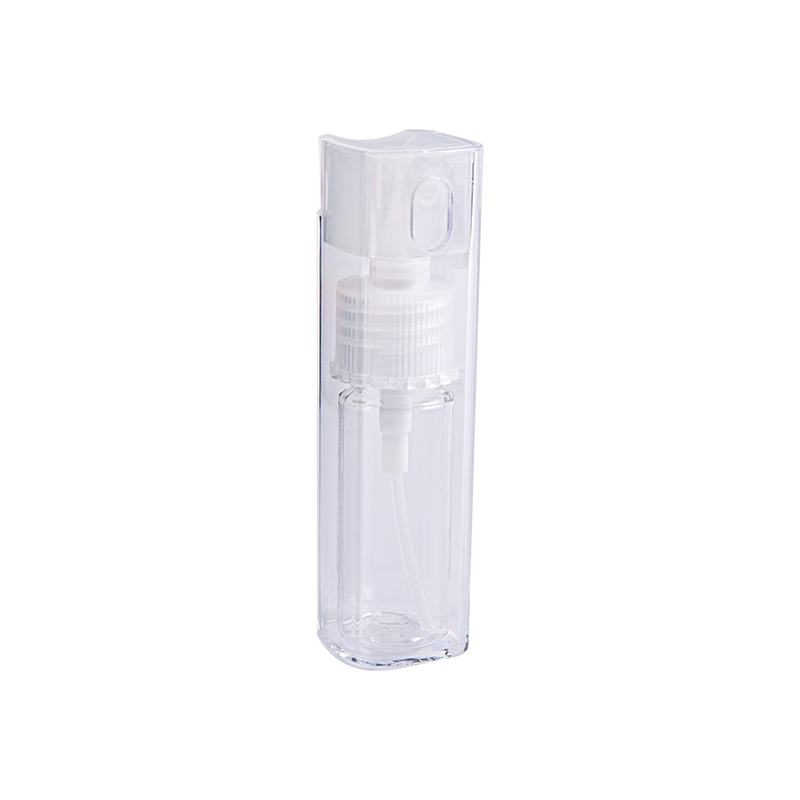 Precision Multi-Material Plastic Spray Bottle Series for Cosmetics and ReagentsUseful for matching candidate bottle materials to fixed formulas before tooling, with multi-material construction, 0.07ml micro-spray, and 10–40ml sizes.View Product →
Standard HDPE spray bottle formats cover the everyday acid cleaner, descaler and acidic sanitizer range, and they can be molded with the shoulder geometry, neck finish and dip tube length a specific filling line requires.
Springs and Seals: Where Acid Resistant Spray Bottles Fail
The spring and the seal are the first two parts to fail in an acidic formulation, and the two parts most often left unspecified on a purchase order. Springs are inexpensive to swap and impossible to inspect inside a finished bottle, which makes them the most common point of silent substitution.
Acid-grade EPDM
- Handles pure mineral and organic acids at room temperature
- Lower unit cost, widely stocked in standard pump sizes
- Swelling risk once fragrance oils or solvents exceed a few percent
- Practical service ceiling near 120 C
FKM fluoroelastomer
- Broad resistance to acids combined with solvents and fragrance oils
- Retains hardness after 30-day immersion in pH 2 formulas
- Higher unit cost and longer lead time on custom profiles
- Not the right choice for hot alkaline products
Stainless steel selection follows the same logic. Grade 304 handles many neutral and mildly acidic formulas, but it pits below pH 3 once chlorides are present. Grade 316 adds molybdenum and is the practical minimum for phosphoric, citric and acetic acid blends. For hydrochloric acid or chloride-boosted blends, even 316 has a finite life and the spring should move to a nickel alloy.
The same wetted-part logic applies when an acid product is dispensed by a pump rather than a trigger. Acidic toners, exfoliating serums and solvent-based cleaners use lotion pumps whose spring and seal face identical chemistry through a much smaller orifice.
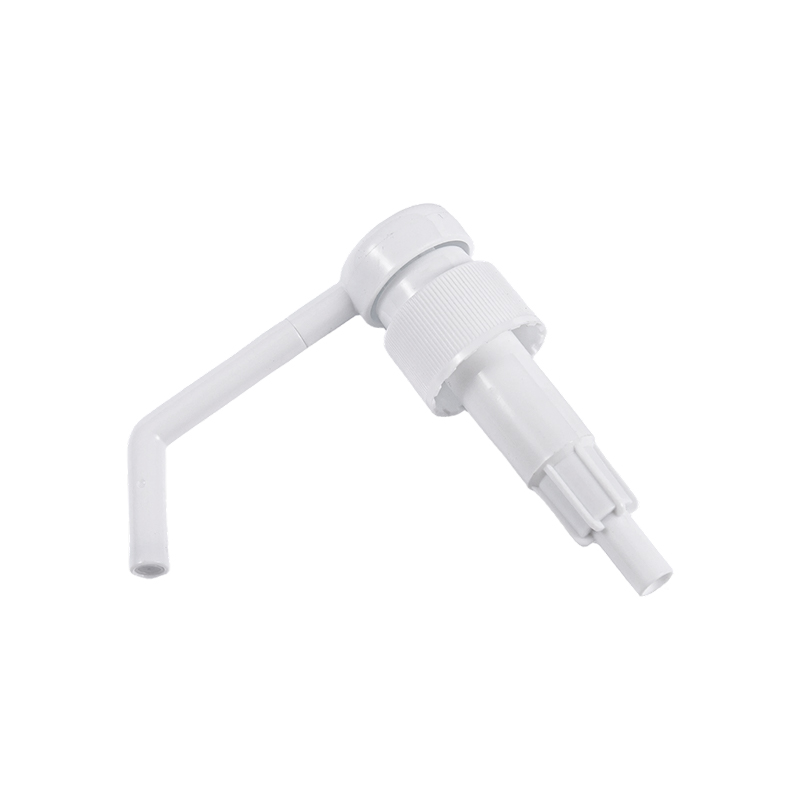 Corrosion-Resistant Lotion Pump for Disinfectants and Chemical SolventsCorrosion-resistant lotion pump with medical-grade PP and 304H or 316 stainless steel spring, 1–3cc output, for disinfectants and chemical solvents.View Product →
Corrosion-resistant pump heads built for solvent and chemical formulas cover that case, and they are usually paired with a body resin chosen for the same duty class.
How to Qualify an Acid Resistant Spray Bottle in 30 Days
Run a 30-day immersion and cycling test on filled, assembled bottles before releasing a production order. A one-week bench check confirms the bottle holds liquid, but it does not reveal seal swell, spring corrosion, or the slow loss of spray rate that generates complaints in month three.
- Fill at production concentration. Use the finished formula rather than a water dilution, fill to 90 percent of capacity, and torque the closure to the same value the filling line will use.
- Run two storage temperatures in parallel. Keep one set at 23 C and one at 40 C. The warm set accelerates seal swell and stress cracking by roughly four to six times, compressing a two-year shelf life into about four months.
- Cycle and weigh every seven days. Fire 50 sprays from each unit, weigh the bottle before and after, and record grams per 10 sprays. A number that drifts up or down means the orifice or the spring has already moved.
- Cut one unit open on day 30. Inspect the spring for rust bloom and measure seal hardness. A shift of more than five points on the Shore A scale means the elastomer is absorbing the formulation.
- Check the closure at 24 hours and again at day 30. A bottle that loses weight without being sprayed is weeping through the thread or the gasket, not the nozzle.
Accelerated aging and immersion testing belong in a controlled laboratory rather than on a filling line. The in-house lab behind our production runs resin compatibility, seal swell and cycle-life checks against customer formulas before a mold is cut, and the facility itself is documented on the factory page.
Purchase Order Checklist: Specs to Lock Down
Write the acid-resistant specification into the purchase order document, not the email thread. Spring and seal substitutions are invisible in a finished bottle and are the most common reason a formula passes in the lab and fails at retail.
| Specification line | Target value | Why it matters |
| Body resin | HDPE with 0.8 mm minimum shoulder wall | Blocks environmental stress cracking at low pH |
| Spring alloy | Passivated 316 stainless steel | 302 and 304 pit below pH 3 when chlorides are present |
| Seal material | FKM or acid-grade EPDM | Nitrile takes a permanent set and weeps at the closure |
| Dip tube fit | Stem interference within 0.1 mm | Prevents the tube from dropping off during storage |
| Orifice tolerance | Plus or minus 0.05 mm | Keeps the spray cone stable across the full fill volume |
| Compatibility report | 30-day immersion per finished formula | Gives both parties a written baseline if a claim arises |
- Name the spring grade and the seal elastomer on the drawing, not only in the email thread.
- Require a 30-day immersion report for every finished formula before the first shipment leaves.
- Freeze the bill of materials for the life of the program, with a written change-approval step attached.
Frequently Asked Questions
Direct answers to the four questions buyers raise most often about acid resistant spray bottles.
Is an acid resistant spray bottle the same as a chemical resistant one?
No. Chemical resistance is a broad claim covering solvents, alcohols, alkalis and oils. Acid resistance narrows the focus to low pH and places the emphasis on spring alloy and seal elastomer selection. A bottle sold as chemical resistant may still use a 304 stainless spring, which performs well with many solvents yet pits quickly in phosphoric or citric acid blends.
Which plastic is best for a spray bottle holding citric or phosphoric acid?
HDPE. It resists environmental stress cracking better than PET or PETG and handles pH 1 to 4 indefinitely at room temperature. Move to PP when the fill temperature exceeds 50 C or when the product is stored in an unconditioned warehouse, since PP carries roughly 30 C more thermal headroom.
Do I need an FKM seal, or is acid-grade EPDM enough?
For pure mineral and organic acids at room temperature, acid-grade EPDM is usually sufficient. Specify FKM when the formula also contains solvents, essential oils or surfactants above a few percent, because those ingredients accelerate EPDM swell and shorten the time to weeping at the closure.
How long should an acid resistant spray bottle last in normal use?
A correctly specified unit should hold its spray rate within 10 percent over 5,000 trigger cycles and show no visible corrosion on the spring for at least 24 months of combined shelf and in-use life at pH 2. Anything shorter usually points to a substituted spring grade or a nitrile seal.






All rights reserved © Shaoxing Shangyu Haibo Spray Plastic Co.,Ltd.Privacy OEM/ODM Spray Plastic Bottle & Pump Manufacturers
浙ICP备2021023122号