 English
 Español
 عربى
عربى 中文简体
中文简体

Instant Stain Remover Bottle: Dispenser Design, Material Safety & Sourcing Guide
Content
A coffee spill on a linen shirt, fifteen minutes before a client presentation, with no washing machine in sight. This is the exact scenario that turns an instant stain remover bottle from a convenience into an essential. The liquid inside matters, but the bottle matters just as much. If the pump clogs, the cap leaks, or the plastic reacts with the solvent, the product fails at the moment it is needed most. The conclusion for brands and buyers is straightforward: the container is not a secondary detail. It is the delivery system that determines whether the formula ever reaches the stain.
What Counts as an Instant Stain Remover Bottle?
An instant stain remover bottle is a portable, hand-held container engineered to apply stain-fighting liquid directly to fabric without water, scrubbing, or a washing machine. Unlike full-size laundry aids meant for pre-treatment at home, these bottles are designed for speed: a few drops, a quick dab, or a short spray, followed by a blot or a rub.
The category appears in three physical forms, each with distinct strengths and engineering constraints:
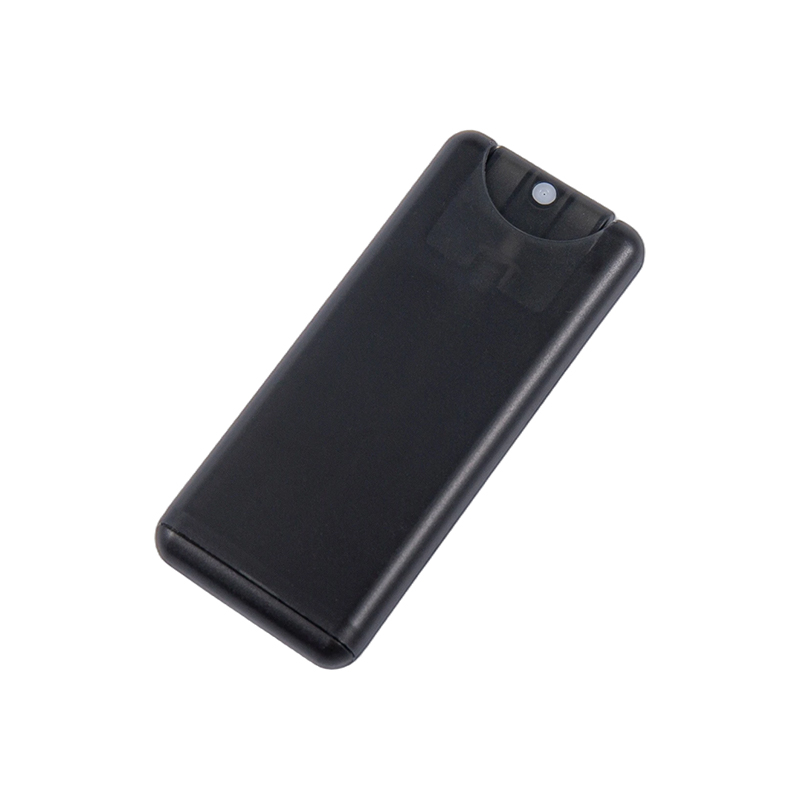
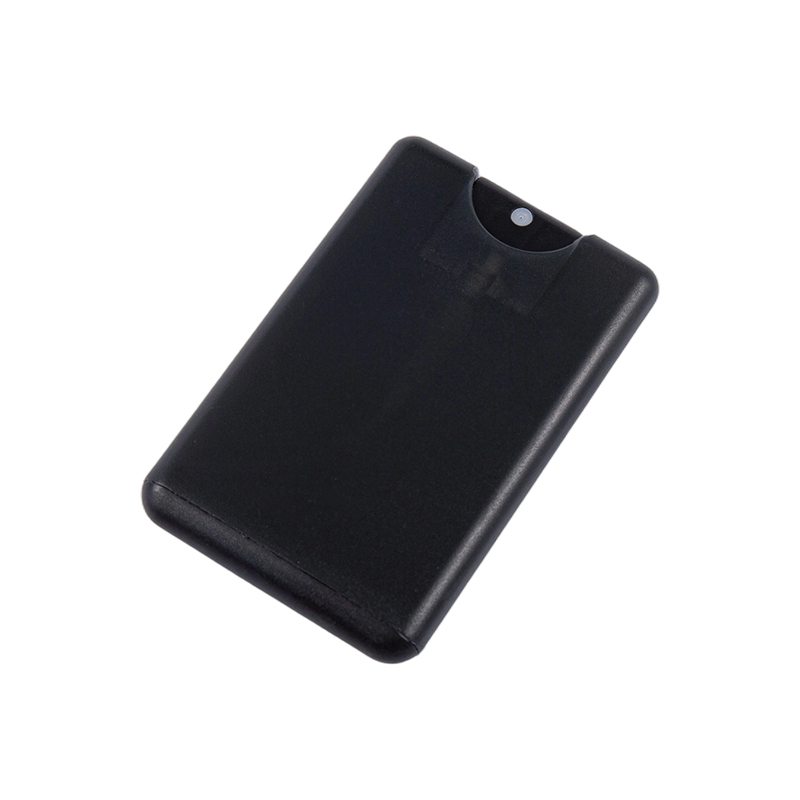
- Spray bottles distribute a fine mist over a larger area, which suits light, spread-out stains and evenly dampens fabric before treatment.
- Pen applicators deliver liquid through a porous tip, giving users precise control for spot treatment without saturating the surrounding fabric.
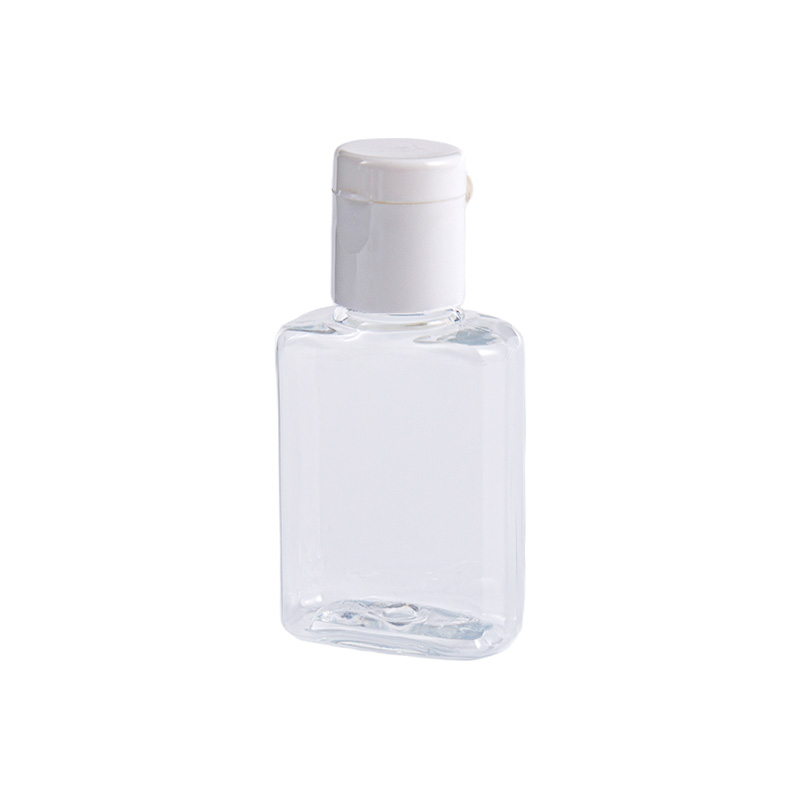
- Squeeze or dropper bottles offer larger volumes for bigger stains or multiple applications, but controlling the dose size requires consistent tip design.
Why the Dispenser Determines Success
The most common reason an instant stain remover fails in real use is not weak chemistry; it is an unreliable dispenser. A pump that loses its prime, a pen tip that dries out, or a nozzle that sputters all make the product feel broken even when the formula is perfectly good. The dispenser is the interface between chemistry and fabric, and every format carries its own set of engineering challenges.
Spray Bottles: Fast Coverage, Careful Engineering
A spray format suits instant stain removers aimed at pre-treating larger areas, such as shirt collars, tablecloths, or upholstery. The nozzle must produce a mist fine enough to cover fabric evenly without drenching it, and the dip tube must draw liquid reliably even when the bottle is tilted for use on a horizontal surface.
The practical differences show up in the details. A 24/410 or 28/410 neck finish determines which pumps fit, while the dip tube length has to match the bottle height within a tolerance of a few millimeters. If the tube is too short, the last portion of the liquid becomes unreachable. If the pump spring is too weak, thick formulas, and many stain removers have a near-gel viscosity, will not atomize. The bottle body must hold up to repeated compression, and the pump seal needs to stay tight between uses so the solvent does not evaporate through the nozzle. Brands looking for a ready-made container can start with a standard plastic spray bottle and adapt the pump and dip tube to their formula.
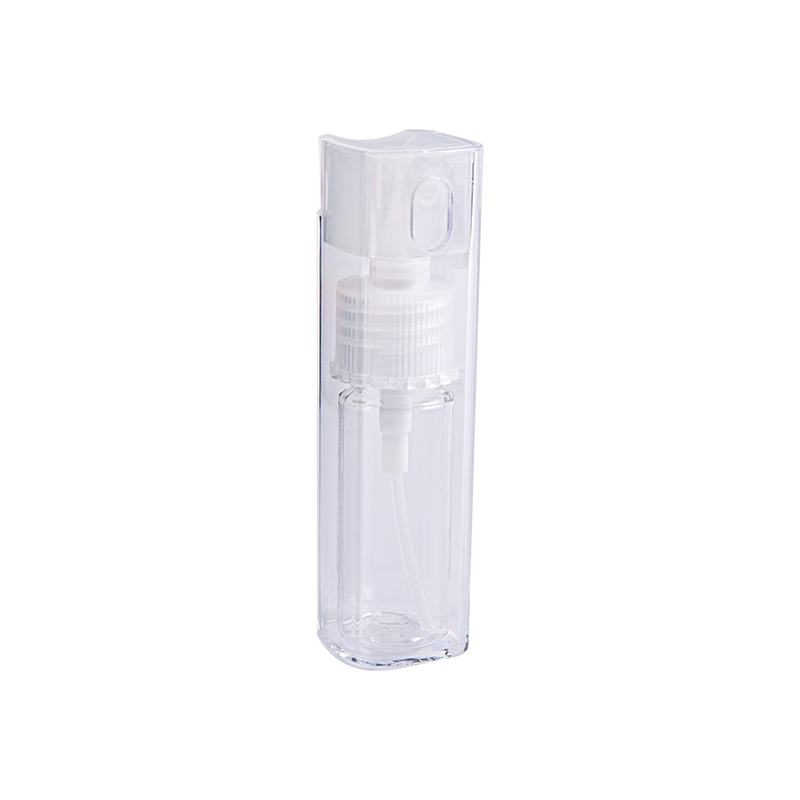 Wholesale Plastic spray bottle Suppliers, ManufacturersShaoxing Shangyu Haibo Spray Plastic Co.,Ltd is China Wholesale Plastic spray bottle Suppliers and Manufacturers. Definition:This series ...View Product →
Pen Applicators: Precision Where You Need It
Pen applicators dominate the instant stain remover category for a simple reason: they let users press a porous tip against a stain and release liquid exactly where it is needed. This precision limits the amount of solvent that wets surrounding fibers, which reduces the risk of rings or color bleeding, a concern that matters on silk, wool, and other delicate fabrics.
The engineering challenge in a pen is twofold. First, the fluid path must stay clear; solvent-based formulas evaporate quickly and can leave residue that clogs the tip. Second, the valve between the reservoir and the tip must open only under pressure so the pen does not leak in a bag or pocket. A well-designed pen meets these requirements with a simple ball valve or spring-loaded mechanism, which is why understanding how stain remover pens work helps buyers compare competing designs.
Squeeze and Dropper Formats
Squeeze bottles and droppers carry a larger volume and work well for pushing solvent deep into set-in stains. The trade-off is control: a squeezed sidewall releases more liquid than many users want, and a wide mouth accelerates evaporation if the cap is not sealed properly. For these formats, the decision comes down to tip geometry and cap design rather than pump mechanics.
| Format | Application control | Best for | Main packaging risk |
|---|---|---|---|
| Spray bottle | Medium, wide coverage | Collars, tablecloths, upholstery | Nozzle clogging, dip tube mismatch |
| Pen applicator | High, spot precision | Silk, wool, fresh stains | Tip drying, valve leakage |
| Squeeze or dropper | Low, larger dose | Set-in stains, larger areas | Over-dosing, cap evaporation |
Material Compatibility Is Non-Negotiable
An instant stain remover is not water. Most formulas contain at least one aggressive component: isopropyl alcohol, hydrogen peroxide, citrus-derived solvents, or surfactant blends that can attack plastics. If the container material is incompatible, the consequences are visible, such as clouding, cracking, or swelling, and sometimes invisible, as degraded polymers can release components into the formula.
Polypropylene (PP) is the default material for stain remover bottles and pens because it resists a broad range of solvents and withstands the repeated flexing of hinged caps and snap-fit components. PETG offers glass-like clarity and is popular for premium brands, but it has lower chemical resistance and is more likely to stress-crack with alcohol-based formulas. ABS is durable and easy to color, which makes it a good fit for outer shells and pen bodies, though its solvent resistance sits between PP and PETG.
Manufacturers with in-house material expertise guide clients through these choices, and the material selection step is where many packaging problems are prevented before production begins.
Leak Resistance and Portability
Portable stain removers live where leaks are catastrophic: handbags, briefcases, airplane carry-ons, and car consoles. A leak is not just a ruined bag; it is a product replacement, a negative review, and a potential safety issue if the liquid contacts skin or electronics.
The main failure points in a portable bottle are the closure, the seal between the pump and the bottle neck, and the valve at the applicator tip. Gaskets and induction seals add cost, but they are the difference between a product that survives air travel and one that empties its contents inside a suitcase. For TSA-compliant travel sizes, the bottle volume needs to be accurate to within a few milliliters, and the labeling must state the capacity clearly.
Refillable vs. Disposable Formats
After the dispenser and the material, the next decision is whether the product is designed for one use or repeated refills. Each model serves a different market and places different demands on the packaging.
Refillable Stain Remover Pens and Bottles
Refillable formats appeal to regular users who want to reduce waste and lower the cost per use. They also suit brands that want to sell a premium carrier and a concentrated refill separately. The engineering requirements are higher: the reservoir must stay sealed across hundreds of open-close cycles, the pump spring must hold its tension, and the applicator tip must not deform after repeated use. A durable PP body with a simple, cleanable fluid path is the standard answer. For buyers evaluating this option, the PP refillable stain remover pen with its replaceable tip offers a good balance of longevity and hygiene.
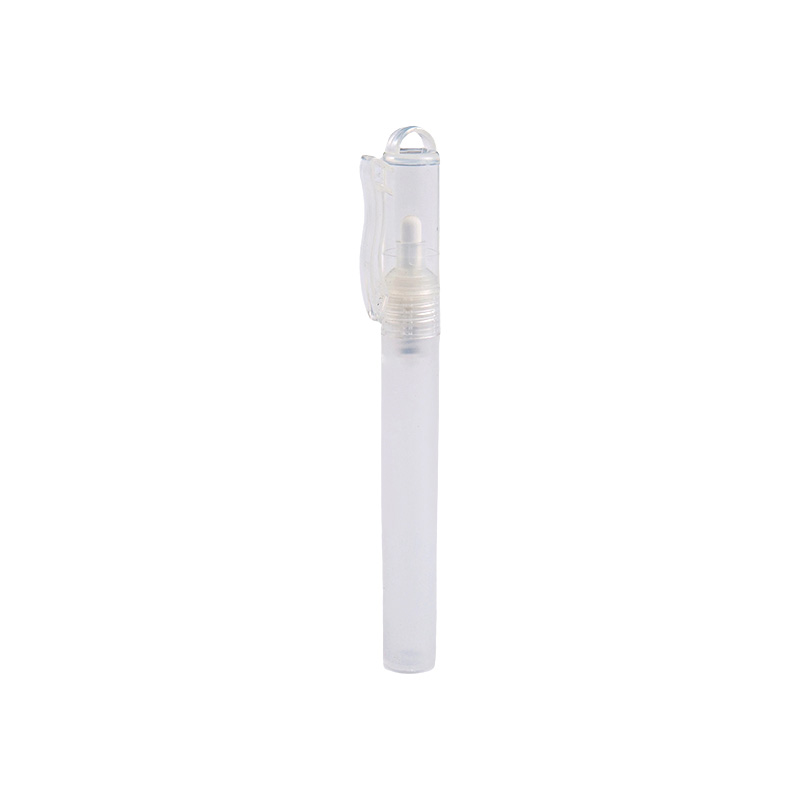 Wholesale PP refillable stain remover pen Suppliers, ManufacturersShaoxing Shangyu Haibo Spray Plastic Co.,Ltd is China Wholesale PP refillable stain remover pen Suppliers and Manufacturers. DefinitionIn...View Product →
Disposable Stain Remover Pens and Bottles
Disposable formats serve travel, hospitality, and single-emergency use. They are inexpensive to produce, easy to discard, and place less stress on long-term durability, but they still must seal tightly and perform on the first use. The key for a disposable concept is the simplest reliable valve and a body material that keeps the formula stable over a defined shelf life, typically 12 to 24 months. A PP disposable stain remover pen is a proven choice because PP provides the solvent resistance to protect the formula while keeping unit cost low.
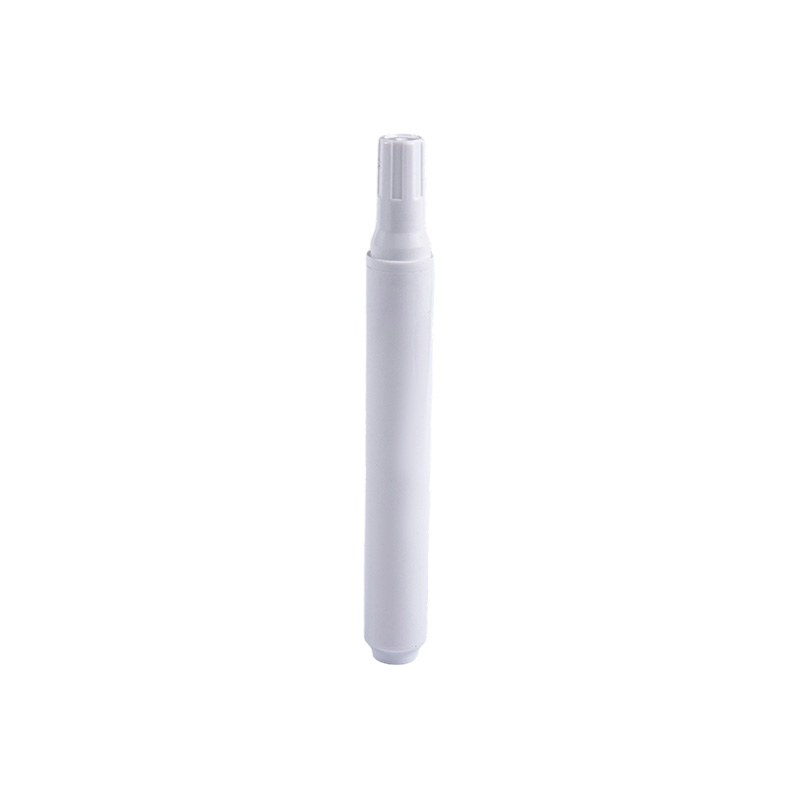 Wholesale PP disposable stain remover pen Suppliers, ManufacturersShaoxing Shangyu Haibo Spray Plastic Co.,Ltd is China Wholesale PP disposable stain remover pen Suppliers and Manufacturers. DefinitionDi...View Product →
Sourcing Instant Stain Remover Bottles: What to Check
Whether you are launching a stain remover brand or sourcing for a private-label program, the evaluation criteria are the same six points:
- Dose consistency. Check whether the pump or pen delivers the same volume per stroke across a full reservoir; variance above 10 percent is a quality red flag.
- Chemical compatibility. Request a compatibility test between the formula and the container materials, including cap gaskets and dip tubes.
- Seal integrity. Pressure-test assembled bottles for leakage at 0.5 bar and under simulated altitude changes.
- Tip and nozzle geometry. Measure droplet size and whether the pen tip wipes clean without smearing.
- Closure design. Confirm that the cap seals with a positive click and that the hinge survives at least 500 cycles.
- Supplier capabilities. Confirm that the supplier owns its molds, runs in-house testing, and can reproduce the same quality at scale.
The fastest way to de-risk a project is to work with a supplier that understands both the plastic and the formula. A supplier that controls its molds, tests its own products, and supports custom development will save you from discovering a packaging mismatch after tooling is cut. If you are evaluating a new stain remover launch, contact us to discuss your formula, fill volume, and target market before committing to a container.
The Bottle Is the Product
An instant stain remover bottle is a small product, but it holds an outsized amount of engineering. The dispenser must be precise, the material must tolerate solvents, and the seal must survive the chaos of daily carry. For brands, the winning position is not to pick a bottle off a shelf and hope it works. It is to specify the container with the same care as the formula, and to partner with a manufacturer that can deliver both.
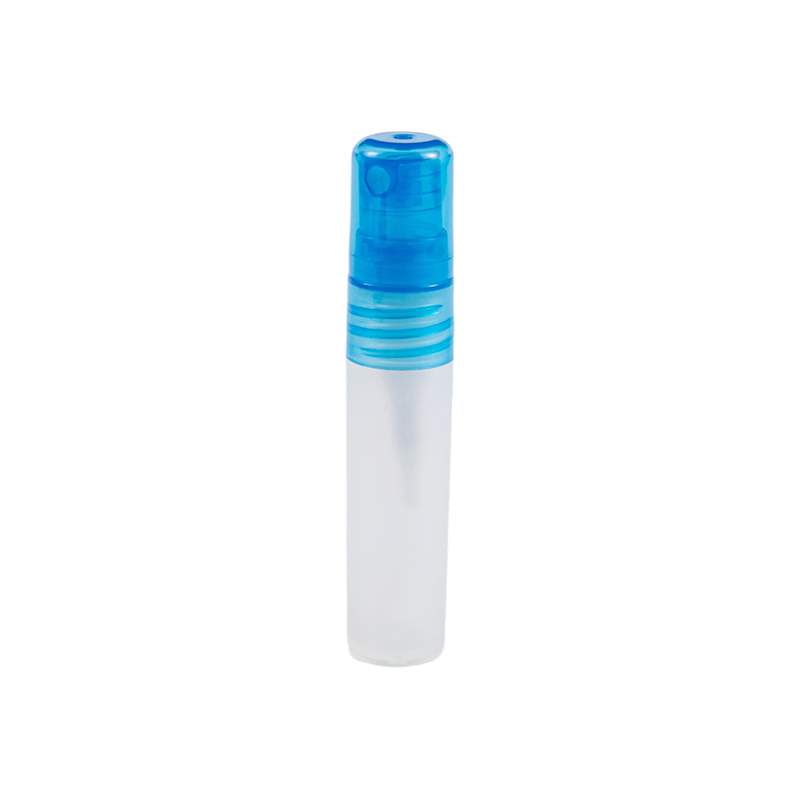






All rights reserved © Shaoxing Shangyu Haibo Spray Plastic Co.,Ltd.Privacy OEM/ODM Spray Plastic Bottle & Pump Manufacturers
浙ICP备2021023122号