 English
 Español
 عربى
عربى 中文简体
中文简体

Hand Sanitizer Pump Buying Guide: Caliber, Output, Locking & Material Tips
Content
- 1 Why a Hand Sanitizer Pump Is Not Just a Lotion Pump with a Label
- 2 Three Specifications That Determine Whether a Pump Works
- 3 Locking Mechanisms and the “Pump Won’t Press” Problem
- 4 Material Compatibility: What Touches Your Formula Matters
- 5 Sourcing the Right Pump: Standard Options vs. Customization
- 6 Buying Checklist for Hand Sanitizer Pumps
A hand sanitizer pump is rarely the first component a buyer thinks about, yet it is the part every user touches. A pump that drips, jams, or refuses to dispense the correct amount turns an otherwise well-formulated product into a frustrating experience. For brands, contract fillers, and packaging buyers, the pump is a functional decision as much as a visual one: it must match the bottle finish, deliver a controlled dose of gel, resist chemical attack, and stay locked during shipping.
The short version of the advice is this: start with the bottle neck finish, then match the pump’s caliber, output volume, and material compatibility to your formulation. A standard 24/410 or 28/410 lotion pump covers most hand sanitizer applications, but sanitizer gels, foams, and alcohol-heavy liquids each alter that baseline. Below is a practical breakdown of how to evaluate hand sanitizer pumps without overcomplicating the decision.
Why a Hand Sanitizer Pump Is Not Just a Lotion Pump with a Label
Hand sanitizer sits somewhere between thin alcohol mist and thick lotion on the viscosity scale. Standard sanitizer gel flows slowly at room temperature, while alcohol-based sprays are nearly as thin as water. That range matters because the pump’s spring tension, valve design, and chamber size are tuned to a specific liquid resistance.
A pump designed for thin liquids will struggle to lift a thick aloe vera gel. A heavy-duty cream pump, on the other hand, will dispense too much product for a spray-style sanitizer. The practical impact: you cannot pick a pump purely by look. You need to know the viscosity of your formula, then select a pump whose spring tension and outlet geometry are within the working range.
There is also the alcohol compatibility issue. Ethanol and isopropanol, the active ingredients in most hand sanitizers, can soften certain plastics over time, causing the pump to fail or the spring to corrode. This is why many manufacturers specify stainless steel springs and chemical-resistant seals for alcohol-based products. If you are sourcing from a supplier that offers corrosion-resistant pump variants, that is the first option you should evaluate.
Three Specifications That Determine Whether a Pump Works
When a buyer asks “which hand sanitizer pump should I use?”, the answer hinges on three measurable parameters. Everything else—color, surface finish, actuator shape—is secondary until these are correct.
1. Caliber (Neck Finish Diameter)
Caliber refers to the diameter of the bottle neck opening, expressed in millimeters. It is the first number to verify. A 24mm pump fits a 24/410 bottle neck; a 28mm pump fits a 28mm finish. Common sizes for hand sanitizer bottles are 24mm for 50–100ml portable bottles and 28mm for 250–500ml pump bottles. Some larger formats use 32mm pumps with a bigger dispensing chamber.
Getting this wrong is the most common sourcing mistake. The pump will either sit loose, causing leaks during transport, or refuse to thread onto the bottle at all. Always confirm the exact neck finish with your bottle supplier before ordering pumps, and ask your pump manufacturer the same question in reverse.
2. Output Volume per Stroke
Output per stroke determines how much product is dispensed each time the user presses down. For hand sanitizer gel, a typical output is between 0.8ml and 1.5ml per stroke, which corresponds to one palm-sized dose. A 0.8ml output is common for 24mm pumps, while 28mm and 32mm pumps tend to deliver 1.0–1.5ml.
The choice depends on your target usage. A public dispensary or workplace station benefits from a higher per-stroke output so users get enough product in one press. A personal-size bottle, by contrast, can use a smaller output to avoid waste. Check the pump spec sheet for “output per stroke,” and if you need a specific dose, ask whether the spring tension can be calibrated accordingly.
3. Spring Type and Material
Pump springs are either metal or plastic. Metal springs—usually stainless steel—provide a firmer press and longer mechanical life but add weight and cost. Plastic springs are lighter, corrosion-free, and avoid any risk of metal ion contamination, which matters if your formula sits in the pump for months.
For alcohol-heavy hand sanitizers, metallic springs face a long-term corrosion risk. Stainless steel (typically 304 or 316) resists ethanol well, but cheaper plated springs may degrade. If your product is a high-alcohol gel (60–70% ethanol), specify stainless steel or choose a plastic-spring pump. For aloe-infused or non-alcohol sanitizers, standard springs are normally fine.
| Caliber | Typical Bottle Size | Output per Stroke | Best For |
|---|---|---|---|
| 24/410 | 30–150ml | 0.8–1.2ml | Portable hand sanitizer, personal use, travel packs |
| 28/410 | 200–500ml | 1.0–1.5ml | Desk pump bottles, family sizes, office use |
| 32mm | 500ml and above | 1.2–2.0ml | Refill stations, dispensers, high-frequency areas |
Locking Mechanisms and the “Pump Won’t Press” Problem
Users frequently complain that an unused hand sanitizer pump “won’t open” or “is stuck.” In most cases, the pump is already locked via a twist-to-lock mechanism. The actuator head rotates either left or right so that a small rib locks against the pump housing, preventing the stem from being pressed down. This is a deliberate shipping and safety feature designed to stop spills and leakage during transport.
To release the pump, simply twist the top actuator in the direction indicated by the small arrow printed on the cap. Once the head clicks or aligns back to the open position, the pump presses normally. If there is no twist mark and the pump will not move, check whether a removable clip sits between the actuator and the bottle cap; removing that clip unblocks the stroke. A third possibility is that the pump was snapped down into a locked recess during capping, which is handled by pulling the actuator upward gently before pressing.
For buyers, this locks the question away from end-user frustration and places it into specifications: do you need a twist-lock pump that is ready to ship without a clip, or a standard non-locking pump with a removable clip for protection? Twist-lock designs cost slightly more but reduce assembly steps at the filling line and avoid the litter of plastic clips. Non-locking pumps with a clip are slightly cheaper but require the filler to insert the clip reliably.
Material Compatibility: What Touches Your Formula Matters
The pump is a small assembly of several materials: the outer cap, the threaded neck, the inner stem, the spring, and the seal. Each material class reacts differently to alcohol, fragrance oils, and preservatives.
- Polypropylene (PP) is the most common pump body material. It handles ethanol and isopropanol well at concentrations used in hand sanitizer, has good chemical resistance, and is economical for mass production.
- ABS is often used for the actuator button or the outer shell because it takes a smooth, glossy finish. ABS is generally compatible with alcohol but can be more sensitive to certain solvents, so it should be tested if your formula contains added fragrance oils or emollients.
- PETG appears mostly in bottles rather than pumps, but when used for a pump’s outer sleeve, it offers high transparency and similar alcohol compatibility.
- Seals and gaskets are the most delicate part. A standard EPDM or silicone seal resists alcohol well; a low-cost nitrile seal may swell over time. Ask your pump supplier which seal material is fitted and whether a silicone option is available.
The practical test is simple: fill a sample bottle with the exact formulation you plan to sell, close it with the pump, and store it upright, inverted, and at 40°C for two weeks. Then press the pump and check for sticking, leaking, or deformed parts. This small-scale compatibility test takes time but prevents supplier surprises later. The fill line, by comparison, is not the place to discover a seal swell.
Sourcing the Right Pump: Standard Options vs. Customization
For most hand sanitizer launches, the fastest and most economical path is to choose a standard pump that matches your bottle finish and production target. Standard pumps are dimensionally consistent, come with reliable spring tension, and can be delivered quickly in high volume. If you are producing a standard 250ml PP bottle with a 28mm neck, a 28mm universal lotion pump is a proven, low-risk choice.
If your product differs from the standard scenario, customization becomes relevant. For example, a brand that wants a specific dispensing dose, a colored actuator to match a label, or a locking system that does not require a clip can usually achieve this with modifications to an existing pump mold. Functional upgrades such as adjusting spring tension, changing the dip tube length, or reworking the outlet diameter affect how the pump behaves with your formula.
When a hand sanitizer bottle is small enough to be carried in a pocket or bag, a card-style spray bottle can replace a conventional pump for thin alcohol-based sanitizers. For gel formulas, though, a short-stroke lotion pump remains the more dependable option because it can draw high-viscosity liquid from the bottom of a shallow container.
Buying Checklist for Hand Sanitizer Pumps
Before you place a purchase order, run through this checklist with your supplier. It covers the operational details that affect filling speed, shipping safety, and end-user perception.
- Confirm the neck finish. The caliber must match your bottle’s thread, not just its diameter. Ask for a dimensional drawing if you are not sure.
- Specify the output volume. State the dose required per press (e.g., 1.0ml) and verify that the spring can be tuned to deliver that without excessive hand force.
- Choose the spring material. For alcohol-heavy sanitizer, use a stainless steel spring or a plastic-spring design. For non-alcohol formulas, standard springs are acceptable.
- Check the seal material. Confirm the gasket is compatible with ethanol, isopropanol, and any fragrance or preservative in your blend.
- Decide on locking. Twist-lock pumps are recommended for retail bottles that ship without a clip; clip-locked pumps are acceptable when the filling line can reliably insert clips.
- Run a storage test. Use the exact formulation and bottle to test the pump upright and inverted for two weeks before committing to volume production.
A final note on logistics: pump manufacturer positioning matters when delivery dates are tight. A supplier located within a short distance to an international port shortens lead time and simplifies last-mile transport. For a brand selling into the US or EU, that proximity translates into more predictable delivery windows and less risk of supply chain delay.
-
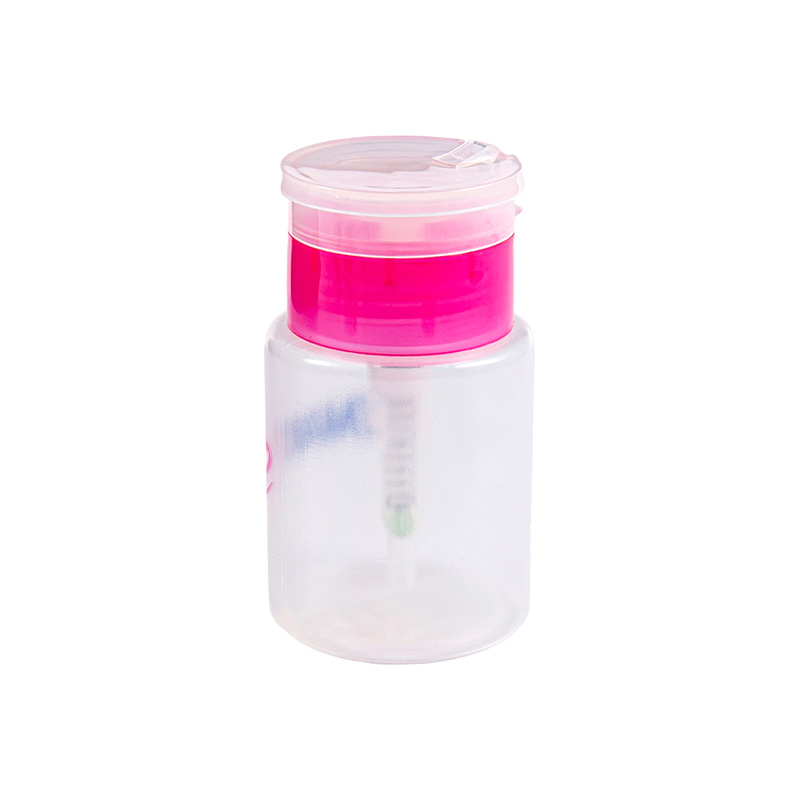 28MM 32MM Caliber Nail Polish Pump
-
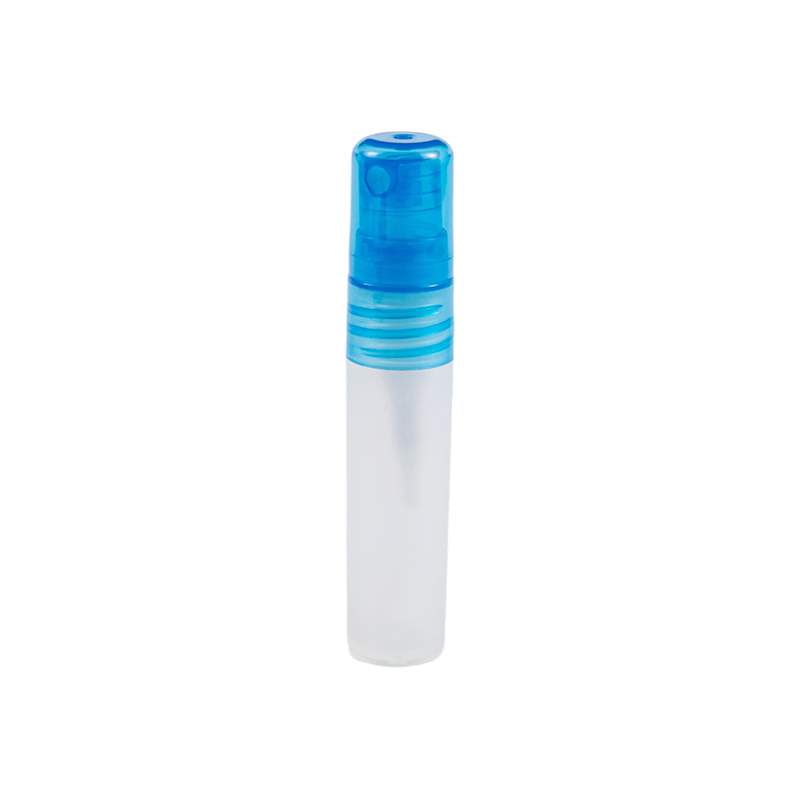 Material PP Height 87/77/73mm Diameter 14/13/12mm Capacity 5/4/3ml Dispensing Volume 0.07 ± 0.01ml
-
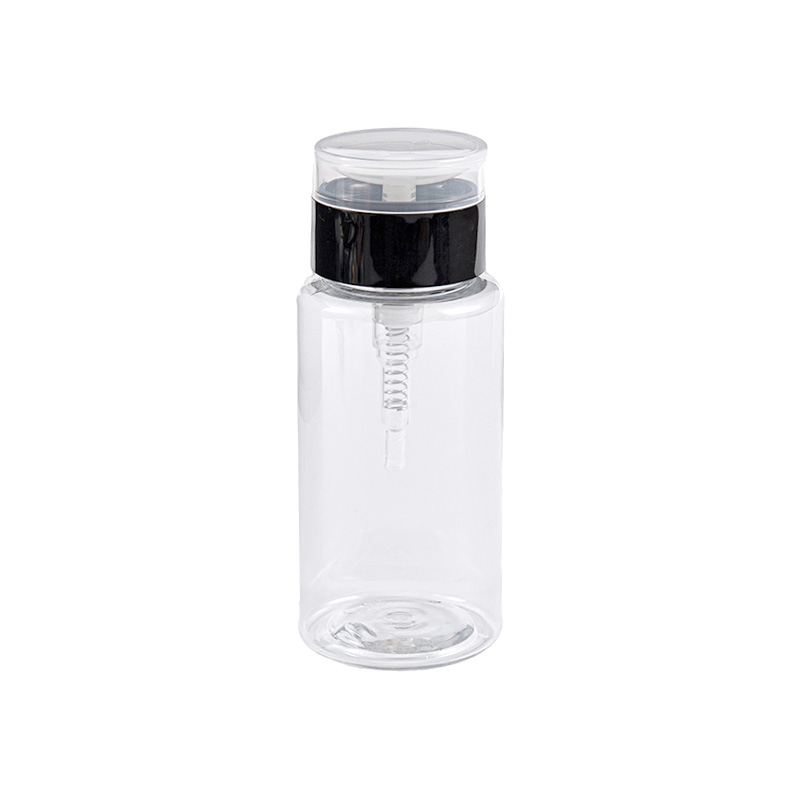 28MM 32MM Caliber Nail Polish Pump
-
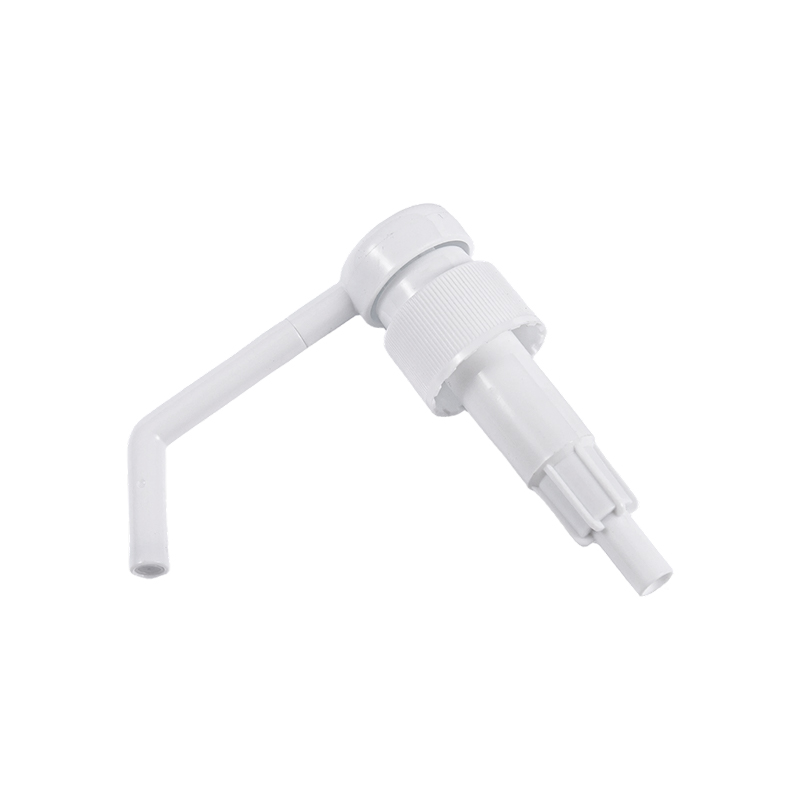 Lotion Pump (corrosion-resistant, chemical solvent-resistant type)
-
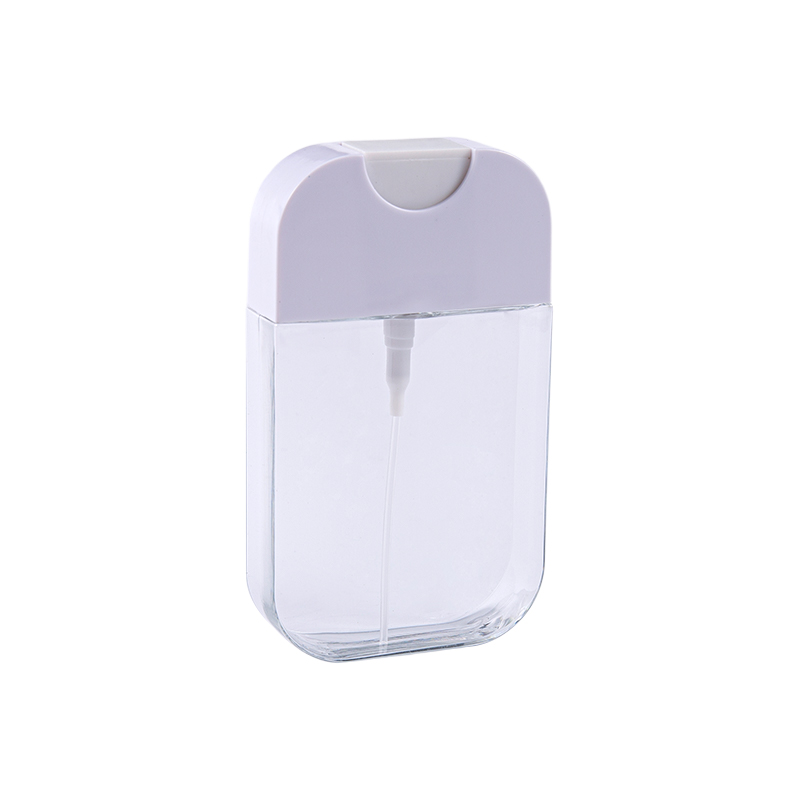 Other (ABS, PETG) material card spray bottle
-
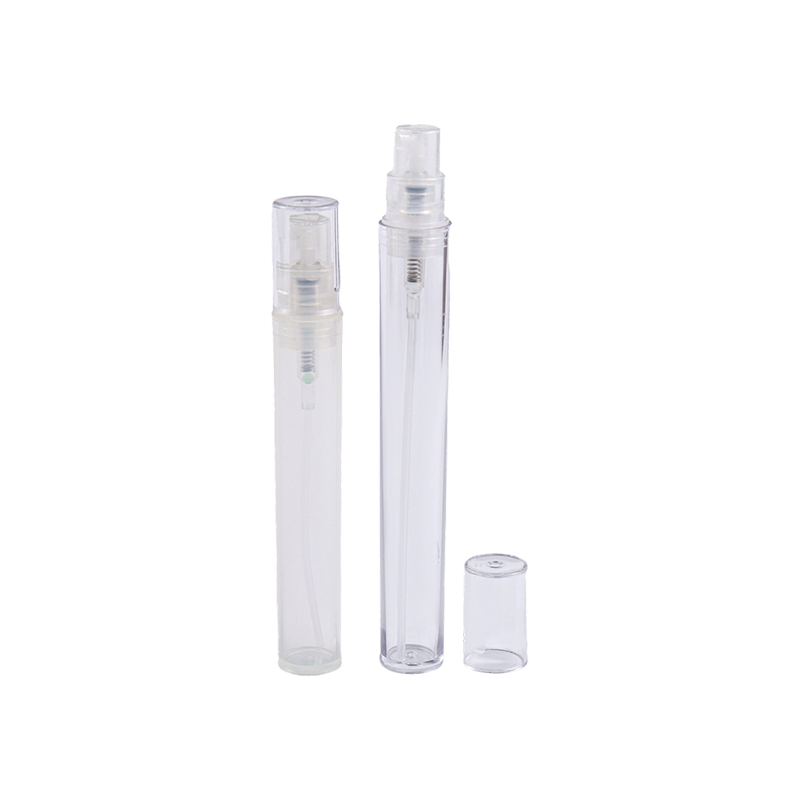 Special material perfume spray tube





All rights reserved © Shaoxing Shangyu Haibo Spray Plastic Co.,Ltd.Privacy OEM/ODM Spray Plastic Bottle & Pump Manufacturers
浙ICP备2021023122号