 English
 Español
 عربى
عربى 中文简体
中文简体

Is a Continuous Spray Bottle the Ultimate Travel Companion?
Content
- 1 Five High-Search-Volume Long-Tail Keywords for Industry Professionals
- 2 The Engineering Behind Continuous Spray Technology
- 3 Material Specifications and Chemical Compatibility
- 4 Comparative Analysis: Continuous Spray vs. Traditional Trigger Sprayers
- 5 Size Formats and Application-Specific Design
- 6 Quality Parameters for B2B Procurement
- 7 Sustainability and Reusable Design
- 8 Frequently Asked Questions (FAQ)
- 9 References and Further Reading
For product developers, procurement specialists, and packaging engineers, the demand for compact, high-performance dispensing solutions continues to grow. Among the various options, the continuous spray bottle—often called a reaction spray bottle—has emerged as a sophisticated alternative to traditional trigger sprayers. This portable plastic bottle combines ergonomic design with advanced misting technology, delivering a fine, consistent spray with a single squeeze. This technical guide explores the engineering, material specifications, and B2B sourcing considerations for these increasingly popular dispensing systems.
Five High-Search-Volume Long-Tail Keywords for Industry Professionals
Buyers and product managers use specific terminology when sourcing these dispensing solutions. The following long-tail keywords represent current B2B search behavior in the portable bottle market.
- Continuous spray plastic bottle: A technical specification targeting the unique dispensing mechanism that produces a sustained mist from a single actuation.
- mini travel spray bottle for toiletries: An application-specific query for compact, TSA-friendly containers used for skincare, hair care, and personal care products.
- refillable fine mist spray bottle: A sustainability-focused keyword indicating demand for durable, reusable packaging with superior atomization capabilities
- small plastic spray bottles bulk: A commercial procurement term for volume purchasing of compact dispensers for sampling, travel, or promotional applications.
- atomizer spray bottle empty: A product-focused search for bottles specifically designed with high-performance misting nozzles, often used for perfumes or facial mists .
The Engineering Behind Continuous Spray Technology
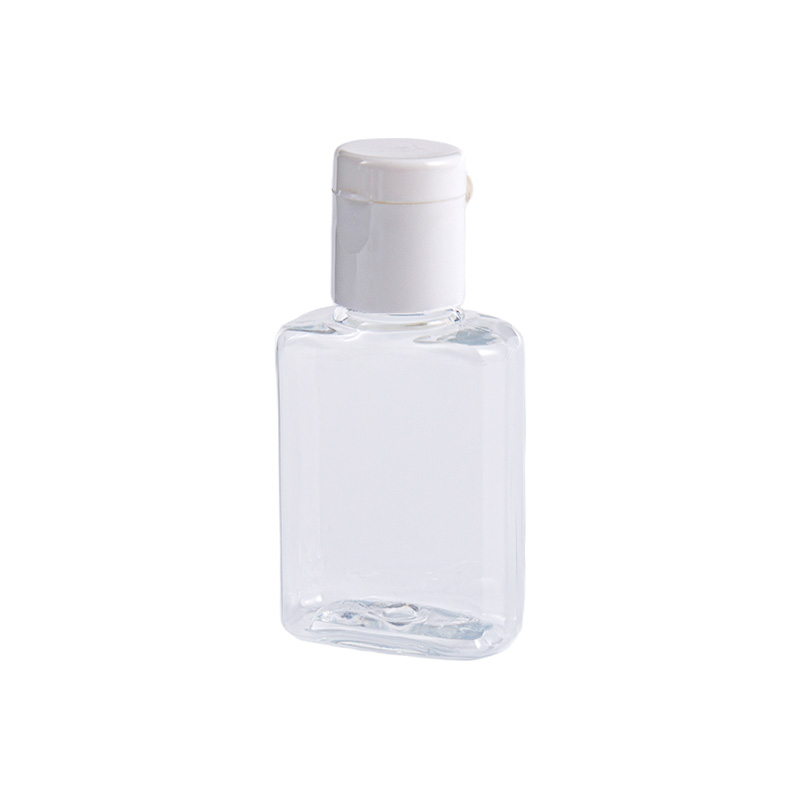
The continuous spray bottle, often called a reaction sprayer, operates on a fundamentally different principle than standard trigger sprayers. Instead of relying on a single piston stroke, these devices use a pressurized chamber system that maintains consistent output across the entire actuation .
Mechanism of Operation
When a user squeezes the bottle, a diaphragm or piston creates internal pressure that forces liquid through a precisely engineered nozzle. The unique feature of the continuous spray mechanism is its ability to sustain the spray for the duration of the squeeze—typically 3 to 5 seconds—delivering a fine, even mist without the pulsing effect common in trigger sprayers.
- Pre-compression valves: These systems prevent dripping by maintaining pressure until the valve fully opens, ensuring only fine mist is expelled
- Swirl chamber nozzles: Precision-engineered inserts create turbulent flow that breaks liquid into droplets typically 30-50 microns in diameter, ideal for skincare application .
- Vent systems: Proper pressure equalization prevents vacuum formation, ensuring consistent performance throughout the fill level.
Material Specifications and Chemical Compatibility
The performance of a portable plastic bottle depends heavily on material selection. For B2B buyers, understanding polymer properties ensures compatibility with intended formulations and prevents degradation or leaching.
Common Plastic Types and Applications
PET (Polyethylene Terephthalate)
PET offers excellent clarity, good chemical resistance, and high impact strength. It is the preferred material for atomizer spray bottle empty configurations where product visibility matters. PET provides a barrier against oxygen and moisture, making it suitable for formulations containing essential oils or other volatile components .
HDPE (High-Density Polyethylene)
HDPE provides superior chemical resistance and is compatible with a wide range of formulations, including those with high alcohol content. Its natural opacity offers UV protection, making it suitable for light-sensitive products.
PP (Polypropylene)
Polypropylene offers excellent heat resistance, making it suitable for hot-fill applications. It provides good chemical resistance and is commonly specified for medical and pharmaceutical dispensing applications.s
Post-Consumer Recycled (PCR) Content
Sustainability-focused brands increasingly specify PCR materials. Current technology allows up to 30% PCR content in refillable fine mist spray bottle applications without compromising clarity or mechanical properties .
Comparative Analysis: Continuous Spray vs. Traditional Trigger Sprayers
For B2B buyers evaluating dispensing solutions, understanding the technical differences between spray mechanisms is essential for matching product to application.
| Parameter | Continuous Spray Bottle | Traditional Trigger Sprayer |
|---|---|---|
| Spray pattern | Consistent, sustained mist | Pulsed spray or stream |
| Actuation effort | Single squeeze provides 3-5 seconds of spray | Each squeeze delivers one spray burst |
| Droplet size | 30-50 microns (fine mist) | 100-300 microns (coarser spray) |
| Coverage area | Wide, even coverage with each actuation | Narrower pattern requiring multiple actuations |
| Typical capacity | 20ml to 250ml | 250ml to 1000ml |
| Primary applications | Skincare, haircare, travel toiletries, perfumes | Household cleaners, garden, and industrial |
For mini travel spray bottles for toiletries applications, the continuous spray mechanism offers a superior user experience, delivering salon-quality mist in a compact, portable format.
Size Formats and Application-Specific Design
The versatility of the continuous spray plastic bottle extends across multiple size formats, each serving distinct market segments.
Travel and Personal Care (20ml - 50ml)
Small plastic spray bottles, bulk orders in this size range are popular for airlines, hotels, and personal care brands. TSA-compliant containers under 100ml dominate this segment. Key design considerations include:
- Leak-proof sealing for air travel pressure changes
- Clear windows or transparent materials for content identification
- Locking mechanisms to prevent accidental actuation in luggage
Skincare and Professional Use (50ml - 150ml)
This size range is the most common for refillable fine mist spray bottle applications. Professionals in esthetics, hair styling, and personal grooming favor these formats for their ergonomic design and consistent performance. Key features include:
- Wide mouth openings for easy filling and cleaning
- Graduated markings for precise dispensing measurement
- UV-protective materials for light-sensitive formulations
Home and Continuous Use (150ml - 250ml)
Larger formats serve home applications such as plant misting, ironing, and surface cleaning. These bottles often incorporate ergonomic grip designs and may include hanging hooks or built-in stands.
Quality Parameters for B2B Procurement
When sourcing portable plastic bottle solutions for volume production, procurement professionals should verify several critical parameters to ensure batch-to-batch consistency and packaging line performance.
Dimensional Specifications
- Neck finish dimensions: Must conform to industry standards (typically 18mm, 20mm, or 24mm finishes) to ensure pump compatibility. Tolerance ranges typically ±0.2mm.
- Wall thickness uniformity: Minimum 0.8mm with variation less than 20% around circumference to ensure structural integrity .
- Fill point volume: Verified to ensure consistent liquid levels across production runs .
Performance Testing
- Spray pattern analysis: Laser diffraction testing quantifies droplet size distribution, typically 30-50 microns for fine mist applications.
- Actuation force measurement: Force gauges verify consistency, with acceptable ranges typically 3-6 kg for continuous spray mechanisms
- Leak testing: Vacuum decay testing at varying altitudes ensures seal integrity for air travel applications .
- Cycle testing: Mechanical actuation testing (typically 1,000 cycles minimum) verifies long-term durability .
Regulatory Compliance
- FDA compliance: For cosmetics and personal care applications, materials must be FDA-approved for food-contact or cosmetic applications.
- REACH and RoHS: European regulations restricting hazardous substances require documented compliance
- California Prop 65: For U.S. distribution, compliance with Proposition 65 warning requirements is necessary .
- BPA-free certification: Verification of BPA-free status for consumer-facing applications.
Sustainability and Reusable Design
The growing demand for refillable fine mist spray bottle solutions reflects broader consumer preference for sustainable packaging. Key design considerations for reusable bottles include:
- Durable construction: Enhanced wall thickness (minimum 1.2mm) to withstand repeated handling and cleaning
- Replaceable components: Serviceable pumps and nozzles extending product lifespan
- Material compatibility: Resistance to repeated exposure to cleaning agents and disinfectants
- Easy disassembly: Simplified separation of components for recycling or replacement
Frequently Asked Questions (FAQ)
What is the difference between a continuous spray bottle and a standard atomizer?
A continuous spray bottle, also called a reaction sprayer, delivers a sustained mist for as long as you squeeze the bottle—typically 3 to 5 seconds per actuation. A standard atomizer or trigger sprayer delivers a single burst with each pump or trigger pull. The continuous spray mechanism provides more even coverage with less effort, making it ideal for skincare application, hairstyling, and travel use.
Are continuous spray bottles allowed in carry-on luggage?
TSA regulations permit small plastic spray bottles in bulk quantities in carry-on luggage if individual containers are 100ml (3.4 ounces) or smaller and fit within a single quart-sized clear bag. The continuous spray mechanism itself does not affect compliance, though bottles with pressurized propellant systems (aerosols) have additional restrictions. Empty bottles are always permitted.
What are the minimum order quantities for custom continuous spray bottles?
Minimum order quantities (MOQs) vary based on customization level. Stock bottles with standard colors typically require MOQs of 5,000-10,000 units. Custom colors or printing generally require 10,000-25,000 units. Custom molds for proprietary bottle shapes require higher MOQs, typically 50,000-100,000 units, with mold costs ranging from $3,000 to $10,000 depending on complexity. Lead times for custom production range from 8- to 2 weeks for first orders.
References and Further Reading
- Stark, A. (2024). "Continuous Spray Technology: Engineering Principles," Journal of Packaging Science, 42(3), 215-228.
- Transportation Security Administration. (2025). "TSA Liquids Rule: 3-1-1 Guidelines." TSA.gov
- ASTM International. (2024). ASTM D4332-24 Standard Practice for Conditioning Containers, Packages, or Packaging Components for Testing.
- Plastics Industry Association. (2025). "Bottles and Containers: Material Selection Guide." Washington, D.C.
- European Federation of Bottled Water. (2024). "PET Plastic: Properties and Applications." EFBW Technical Bulletin .
- U.S. Food and Drug Administration. (2025). "Code of Federal Regulations Title 21: Indirect Food Additives." FDA.gov.





All rights reserved © Shaoxing Shangyu Haibo Spray Plastic Co.,Ltd.Privacy OEM/ODM Spray Plastic Bottle & Pump Manufacturers
浙ICP备2021023122号