 English
 Español
 عربى
عربى 中文简体
中文简体

Nail Polish Remover Pump Guide: Types and Features
Content
- 1 What Is a Nail Polish Remover Pump?
- 2 Types of Nail Polish Pumps Available
- 3 Technical Specifications and Performance Factors
- 4 Application Scenarios
- 5 Pump Dispensing vs. Traditional Cap Application
- 6 Key Features to Consider When Choosing a Pump
- 7 What Is the Healthiest Way to Remove Nail Polish?
- 8 How to Unclog a Nail Polish Remover Pump
- 9 Common Mistakes and Overlooked Considerations
- 10 Trends in Nail Polish Pump Designs and Innovation
- 11 Conclusion
- 12 Frequently Asked Questions
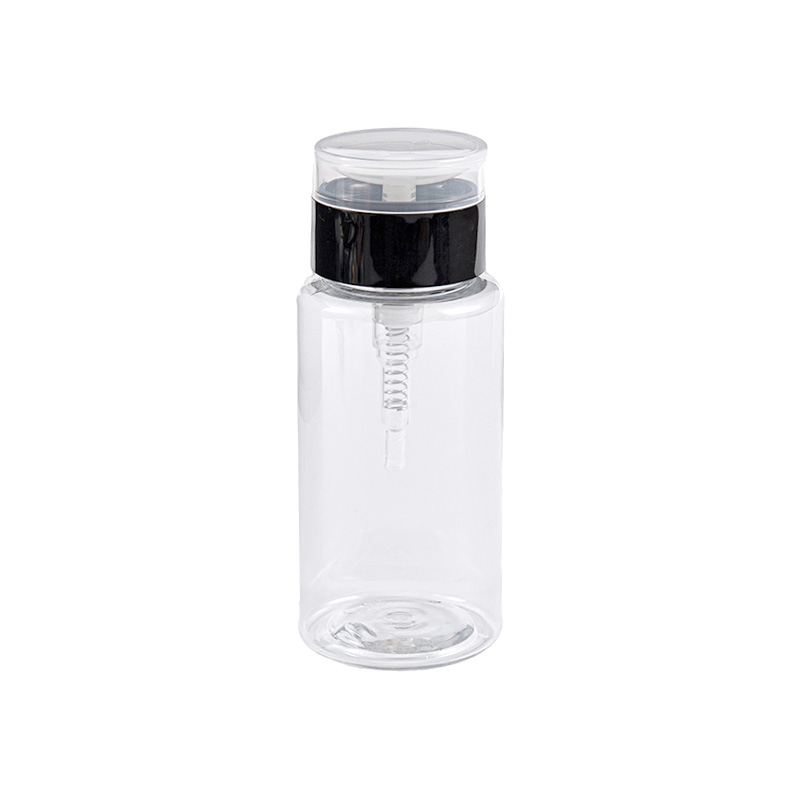
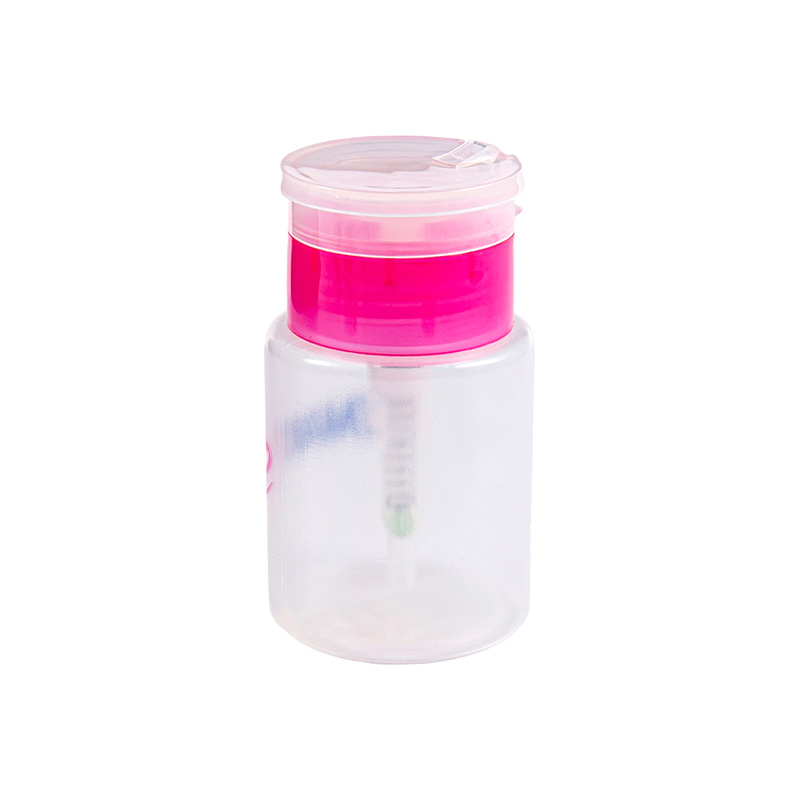
A polish remover pump is a dispensing mechanism fitted to a bottle that releases a controlled dose of nail polish remover with a single downward press, replacing the need to tip a bottle or soak a cotton pad directly in liquid. The design reduces spillage, limits solvent exposure, and speeds up repeated use in salon and home settings alike.
What Is a Nail Polish Remover Pump?
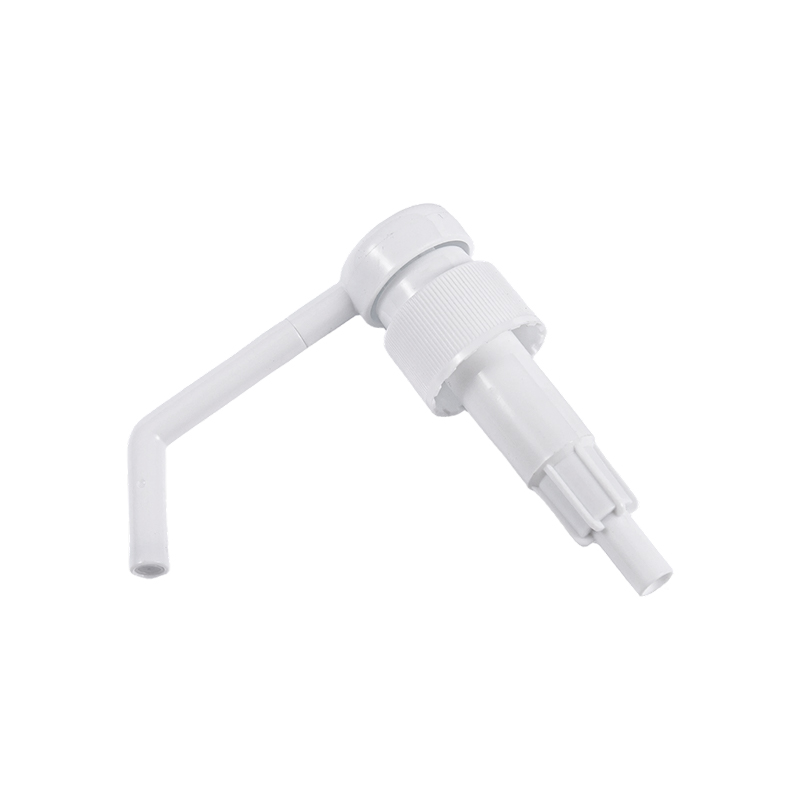
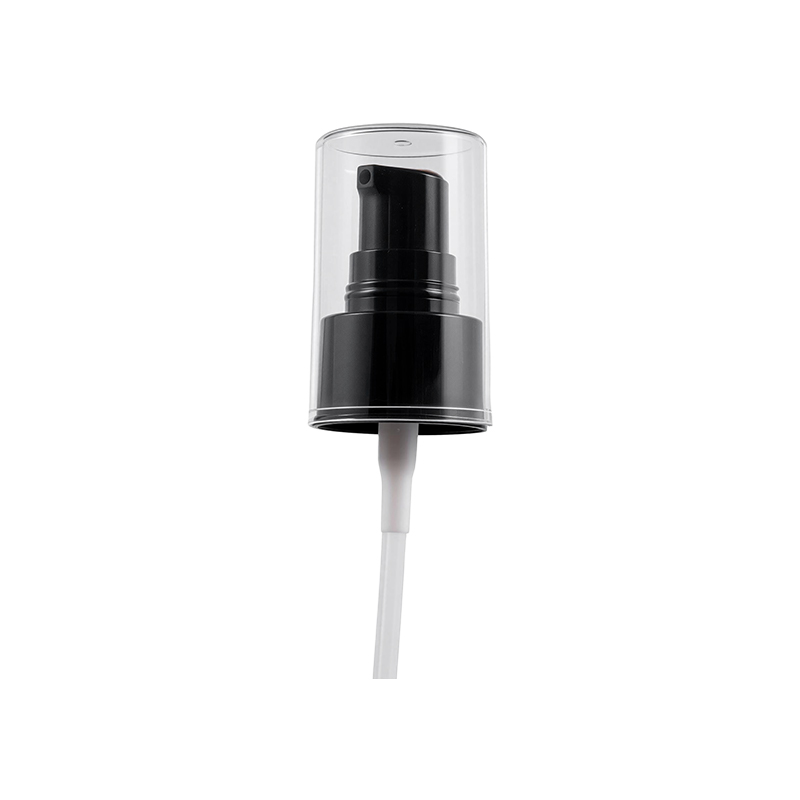
A nail polish remover pump consists of a spring-loaded piston housed in a dispensing head, mounted onto a bottle neck via a threaded or snap-fit collar. Pressing the top of the pump forces a metered volume of liquid, typically 1 to 3 milliliters, through an internal valve and out through a saturation pad or open spout. The valve closes on release, preventing the remaining liquid in the bottle from evaporating or leaking when the bottle is tipped or transported.
Types of Nail Polish Pumps Available
Pump styles differ mainly in the sealing mechanism and how flow is initiated, which affects control, leak resistance, and ease of one-handed use.
Regular Nail Polish Pump
A standard press-down pump with a fixed dispensing rate. It is straightforward to operate and commonly used in salons where speed matters more than portion control.
Lock Nail Polish Pump
Includes a twist-to-lock collar that prevents accidental pressing during storage or transport. This style is preferred for retail packaging and shipping, where leak prevention is a priority.
Bowknot Nail Polish Pump
Features a decorative bow-shaped cap over the pump head, combining the same internal mechanism with a retail-oriented appearance suited to gift sets and display packaging.
Technical Specifications and Performance Factors
| Specification | Typical Range | Why It Matters |
| Dispense Volume | 1 ml to 3 ml per press | Controls product waste and application consistency |
| Bottle Neck Size | 18mm, 20mm, 24mm standard | Must match bottle thread to prevent leaks |
| Material Compatibility | PP, PE, or acetone-resistant polymer | Determines resistance to solvent degradation over time |
| Actuation Force | Light to medium press resistance | Affects comfort during repeated single-handed use |
| Seal Type | Silicone or rubber gasket | Prevents evaporation and leakage during storage |
Application Scenarios
- Professional nail salons requiring rapid, repeated dispensing throughout the day
- Retail packaging for nail care kits, where a locking pump prevents shipping leaks
- Home manicure sets, where portion control reduces solvent waste and odor exposure
- Travel-sized nail care products, where a locking mechanism prevents spills in transit
Pump Dispensing vs. Traditional Cap Application
Compared with a traditional screw-cap bottle used with a separate cotton pad, a pump-style dispenser changes how much product is used and how it is applied.
| Factor | Pump Dispenser | Traditional Screw Cap |
| Product Control | Fixed metered dose per press | Variable, depends on user pour or dip |
| Evaporation | Minimal, valve seals after each use | Higher, especially with repeated opening |
| Spill Risk | Low, particularly with lock designs | Higher during pouring or dipping |
| Speed of Use | Fast, single-handed operation | Slower, requires unscrewing and pouring |
Key Features to Consider When Choosing a Pump
What Is the Healthiest Way to Remove Nail Polish?
Limiting solvent contact time and using a controlled amount of remover reduces skin drying and vapor exposure compared with soaking or repeated dipping. A metered pump dispenser supports this by releasing only the volume needed per application, rather than allowing excess liquid to sit on skin or evaporate into the surrounding air. Working in a ventilated space and using acetone-free formulas where appropriate further reduces exposure.
How to Unclog a Nail Polish Remover Pump
Common Mistakes and Overlooked Considerations
- Selecting a pump collar size that does not match the bottle neck, causing leaks at the base
- Leaving a non-locking pump upright in transit, which can lead to accidental discharge
- Ignoring material compatibility, resulting in seal degradation after repeated acetone exposure
- Overlooking dispensing volume, leading to excess product waste in high-volume settings
Trends in Nail Polish Pump Designs and Innovation
Recent design changes favor lower-volume metering to reduce solvent waste, combined with locking collars as a standard rather than optional feature for shipped products. Decorative styles, including the bowknot cap, reflect a shift toward packaging that functions equally well as a retail display item and a working dispenser. Material development has also moved toward polymers with improved long-term resistance to repeated acetone contact.
Conclusion
Choosing the right polish remover pump depends on matching the collar fit, seal material, and locking function to the intended use, whether that is high-frequency salon dispensing, retail packaging, or everyday home use.
Frequently Asked Questions
How do you unclog a nail polish remover pump?
Rinse the pump head under warm water, press it repeatedly to flush the valve, and soak it briefly in remover if residue remains before drying and reattaching it.
What is the healthiest way to remove nail polish?
Using a metered amount of remover for a short contact time, rather than soaking, reduces skin drying and vapor exposure, and a pump dispenser helps control that amount consistently.
What is the difference between a regular, lock, and bowknot pump?
A regular pump has a fixed dispensing action, a lock pump adds a twist-to-lock collar to prevent accidental discharge, and a bowknot pump combines the same mechanism with a decorative cap for retail presentation.
What features should be checked before choosing a pump?
Collar size and thread match, seal material compatibility with the solvent used, dispensing volume per press, and whether a locking function is needed for shipping or storage.
Are nail polish pumps compatible with acetone-based remover?
Pumps made from acetone-resistant polymers and fitted with silicone or rubber seals rated for solvent contact are compatible with acetone-based formulas over repeated use.





All rights reserved © Shaoxing Shangyu Haibo Spray Plastic Co.,Ltd.Privacy OEM/ODM Spray Plastic Bottle & Pump Manufacturers
浙ICP备2021023122号