 English
 Español
 عربى
عربى 中文简体
中文简体

Plastic Lotion Pump Dispenser: How It Works and Sourcing Tips
Content
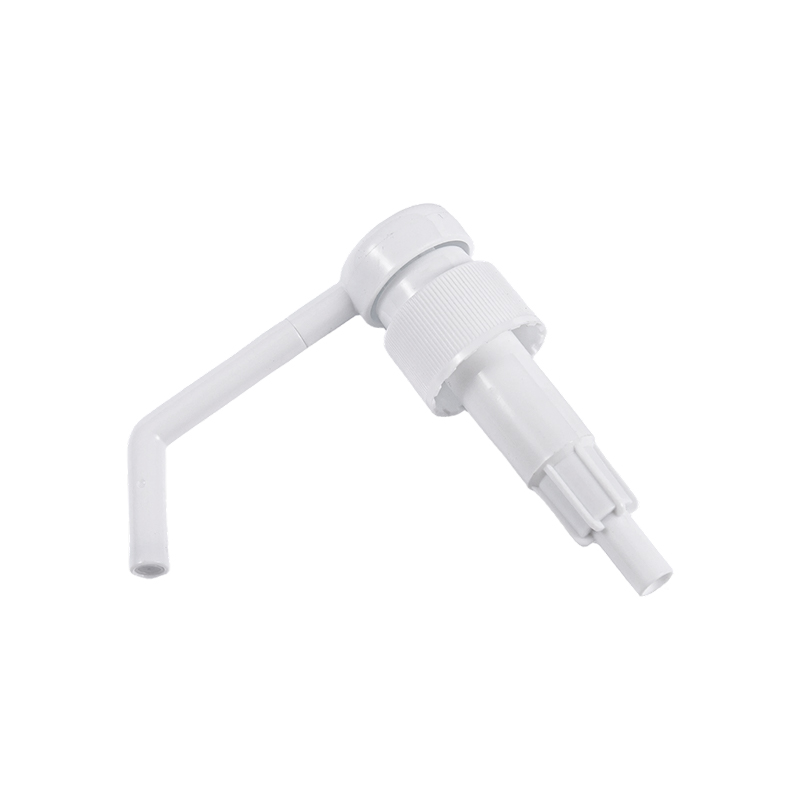
Direct answer: A Plastic Lotion Pump Dispenser is a bottle top mechanism that dispenses a controlled amount of liquid, such as lotion, soap, or shampoo, through a spring loaded piston activated by pressing down on the pump head. It works by drawing product up a dip tube and pushing it out the nozzle in a consistent dose, which is why it remains the standard closure choice for cosmetic, personal care, and household liquid products worldwide.
How A Lotion Pump Dispenser Works
Every pump relies on the same basic mechanical sequence, regardless of brand or bottle size. Pressing the actuator compresses an internal spring, which forces a piston down inside the pump chamber. This pushes any liquid already in the chamber out through the nozzle. Releasing the actuator allows the spring to return the piston upward, creating suction that draws fresh liquid up the dip tube from the bottle, refilling the chamber for the next press.
A check valve, usually a small ball or disc, prevents liquid from flowing back down the dip tube between pumps, which is what keeps the mechanism primed after the first few strokes rather than needing to re-prime with every use.
Typical Dose Output
| Pump Size | Output Per Press |
| 18mm and 20mm | 0.2ml to 0.5ml |
| 24mm | 0.5ml to 1.0ml |
| 28mm and 33mm | 1.0ml to 4.0ml |
What A Plastic Lotion Pump Dispenser Is Used For
The controlled dosing action makes this closure type useful anywhere consistent portion size matters more than free pour convenience. Common applications include:
- Body lotion, hand cream, and facial moisturizer bottles
- Liquid hand soap and foaming soap dispensers
- Shampoo and conditioner bottles in retail and hospitality settings
- Sunscreen and after sun care products
- Hair styling serums and liquid treatments
- Household cleaning concentrates requiring precise measured dosing
Products with thicker viscosity, such as lotion and cream, generally need a wider dip tube and larger pump chamber than thin liquids like toner, which is why pump specifications differ even across bottles that look similar in size.
Common Problems With Lotion Pump Dispensers
Most complaints trace back to a small number of mechanical or fit issues, nearly all of which are preventable with correct specification during sourcing.
| Problem | Likely Cause | Fix |
| Pump feels loose or leaks at the neck | Mismatched neck thread size between pump and bottle | Confirm exact neck finish specification, commonly 18/410, 20/410, 24/410 |
| No product comes out after several presses | Dip tube too short or clogged for the product viscosity | Trim dip tube to reach near the bottle base and widen bore for thicker liquids |
| Pump sticks or resists pressing | Spring corrosion from incompatible product chemistry | Use stainless steel springs rated for the specific formula's pH and ingredients |
| Inconsistent dose size between presses | Worn or low quality piston seal allowing air leakage | Source pumps with verified seal tolerance and consistent quality control testing |
| Actuator cracks during shipping | Low grade plastic resin or thin wall molding | Specify impact tested resin grade suited to transit and storage temperature range |
Choosing A Plastic Lotion Pump Manufacturer
Sourcing decisions affect both product performance and brand reputation, since a failing pump reflects poorly on the product inside it. Evaluate potential manufacturers against these points before committing to a production run.
Material Compatibility Testing
Confirm the manufacturer tests pump components against your specific formula, since certain active ingredients can degrade standard plastic or spring materials over time.
Dose Accuracy Consistency
Ask for output volume testing data across a sample batch, not just a single unit, since manufacturing consistency varies more than spec sheets suggest.
Neck Finish Compatibility
Verify the pump neck finish matches your bottle supplier's specification exactly, since even small thread mismatches cause leaks or loose fitting closures.
Custom Actuator Options
If branding matters, confirm the manufacturer can produce custom actuator shapes or colors without significantly increasing minimum order quantity.
Wholesale Lotion Pump Dispenser Order Planning
Bulk sourcing decisions benefit from planning around a few practical factors that affect both unit cost and lead time.
- Minimum order quantity: stock pump designs typically carry lower minimums than fully custom colors or actuator shapes.
- Lead time for custom tooling: a brand new mold for a unique actuator shape generally takes longer to develop than selecting from existing tooling options.
- Sample testing before bulk order: requesting a small trial batch to test with your actual formula prevents costly compatibility issues at full production scale.
- Packaging for transit: confirm pumps ship pre-assembled or loose, since this affects both cost and the labor needed at your own filling line.
Frequently Asked Questions
Can a lotion pump dispenser be reused on a refill bottle
Yes, most pumps can be transferred to a new bottle with the same neck finish, though the spring and seal should be checked for wear if reused many times.
Are lotion pumps recyclable
Recyclability depends on local facilities, since pumps contain multiple materials including plastic, metal spring, and sometimes a small rubber gasket that may need separation.
Why do some pumps require priming before first use
Air fills the chamber and dip tube before first use, so several presses are needed to draw liquid fully through the mechanism and clear the initial air pocket.
What neck size is most common for lotion bottles
20/410 and 24/410 are among the most widely used sizes for lotion and cream bottles, though the correct size always depends on the specific bottle being paired with the pump.





All rights reserved © Shaoxing Shangyu Haibo Spray Plastic Co.,Ltd.Privacy OEM/ODM Spray Plastic Bottle & Pump Manufacturers
浙ICP备2021023122号